

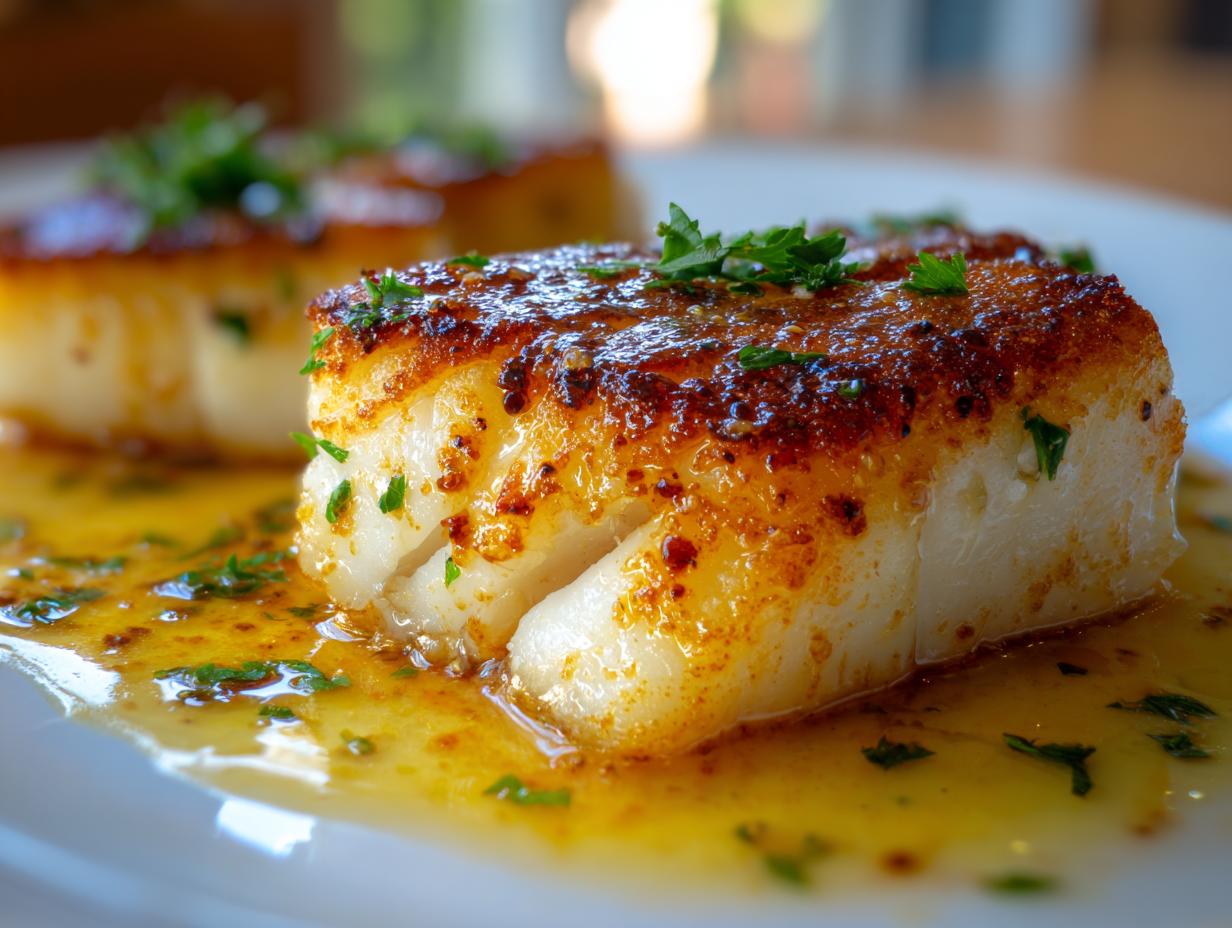
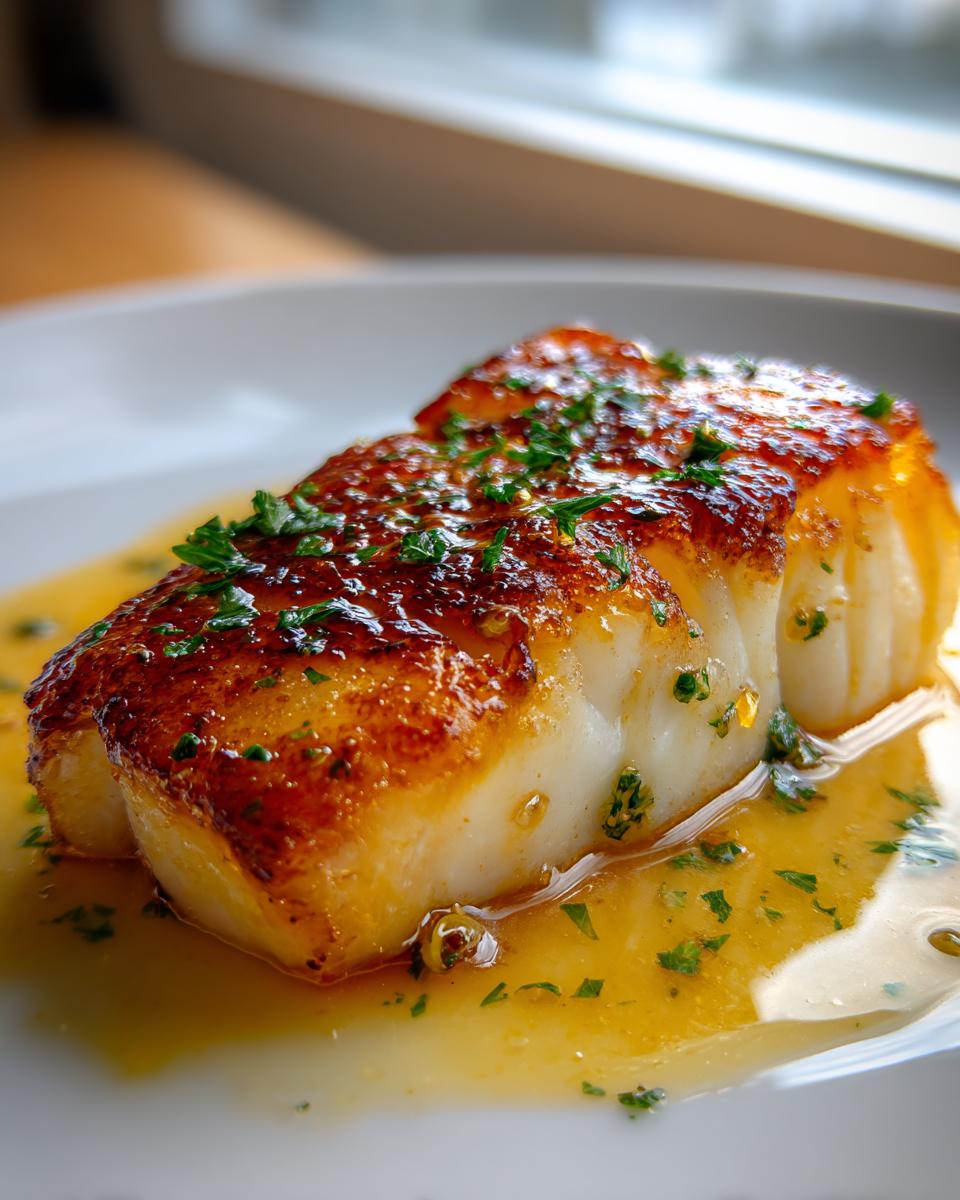
Sometimes, you just crave that perfect, buttery slice of seafood you get at the fanciest restaurants, right? Well, I’m here to tell you that achieving true, restaurant quality sea bass at home is absolutely possible, even if you’re usually nervous about cooking delicate white fish! This chilean sea bass recipe pan seared focuses entirely on technique over complicated ingredients. Forget dry, bland fish; my goal, following the same philosophy I use in all my testing here at Bliss Batter, is to guide you to a beautifully golden, crispy sear while keeping that inside unbelievably flaky and moist. Trust me, once you nail this simple skillet method, you’ll be making this stunning fish for an easy weeknight dinner that feels incredibly luxurious.
- Why This Chilean Sea Bass Recipe Pan Seared is Your New Go-To
- Ingredients for the Perfect Chilean Sea Bass Recipe Pan Seared
- Searing Success: How to Prepare for Your Chilean Sea Bass Recipe Pan Seared
- Step-by-Step Instructions for Your Chilean Sea Bass Recipe Pan Seared
- Tips for a Buttery Pan Seared Sea Bass Every Time
- Serving Suggestions for Your Chilean Sea Bass Recipe Pan Seared
- Storage and Reheating for Leftover Chilean Sea Bass Recipe Pan Seared
- Frequently Asked Questions About the Chilean Sea Bass Recipe Pan Seared
- Nutritional Estimates for Pan Seared Sea Bass
- Share Your Chilean Sea Bass Recipe Pan Seared Success
Why This Chilean Sea Bass Recipe Pan Seared is Your New Go-To
I know delicate fish can feel intimidating, but this method takes all the fear away! Honestly, this is the best way I’ve found to create genuine restaurant quality sea bass at home without stress. It’s all about mastering the flaky white fish pan sear technique, and my foolproof steps ensure you nail it.
- You get that shatteringly crisp crust every single time.
- The inside remains unbelievably moist and buttery—no more dry edges!
- The entire feast comes together in under 15 minutes.
- The simple lemon butter sauce is bright and requires zero fuss.
Ingredients for the Perfect Chilean Sea Bass Recipe Pan Seared
The beauty of this dish is how few ingredients you need, so quality really counts! Don’t skimp here, especially on the butter—it’s what makes this dish shine for an easy lemon butter sauce for fish. Keep everything ready because the cooking moves fast!
- 2 (6-ounce) Chilean Sea Bass fillets, about 1 to 1.5 inches thick—this thickness is important!
- 1 tablespoon olive oil (use a neutral, high-heat one).
- 1 tablespoon unsalted butter (for the initial sear).
- Salt, to taste (be generous!).
- Freshly ground black pepper, to taste.
- 1 tablespoon fresh lemon juice.
- 2 tablespoons cold unsalted butter, cut into small cubes (this is for the sauce).
- 1 tablespoon fresh parsley, chopped finely.
Searing Success: How to Prepare for Your Chilean Sea Bass Recipe Pan Seared
This is where the magic—and the potential mess—happens! Since Chilean Sea Bass, or Patagonian Toothfish as some fancy people call it, is so rich and delicate, preparation is everything for a crispy skin sea bass skillet method. If you skip these little steps, you risk tearing the fish or having it stick horribly, and nobody wants that.
Choosing and Preparing Your Sea Bass Fillets
First, let’s talk thickness. I love fillets that are around 1 to 1.5 inches thick for this recipe. If they are thinner than an inch, they cook almost instantly and you won’t get that beautiful crust. If they are super thick—say, over 1.5 inches—you might need to finish them briefly in a 400-degree oven after searing both sides for just a couple of minutes. We do this perfectly when learning How to cook Patagonian Toothfish perfectly.
Now, the absolute most important thing you can do? Pat them bone dry! Grab a big stack of paper towels and press down firmly. You want ZERO moisture sitting on the surface of that fish. Moisture is the enemy of a good sear; it steams the fish instead of browning it. When you season, use your salt and pepper liberally on both sides once they are dry. For the oil, I use good quality olive oil since it has a decent smoke point, but honestly, any high-smoke point oil like avocado works great if you’re worried about scorching the flavor when searing.
Step-by-Step Instructions for Your Chilean Sea Bass Recipe Pan Seared
Okay, let’s get cooking! Since we prepped everything perfectly, these steps fly by. We are aiming for that perfect internal temperature, which means you need to watch your timing based on thickness. This whole process for the chilean sea bass recipe pan seared should take less than 10 minutes of actual cooking time, which is why it’s such a fantastic easy weeknight dinner option.
First thing: Get your heavy skillet—cast iron is my absolute favorite for this—screaming hot over medium-high heat. Add your olive oil, watch it shimmer, then drop in that first tablespoon of butter. When that butter foams up nicely, it’s time to introduce the bass!
Achieving the Crispy Skin Sea Bass Skillet Method
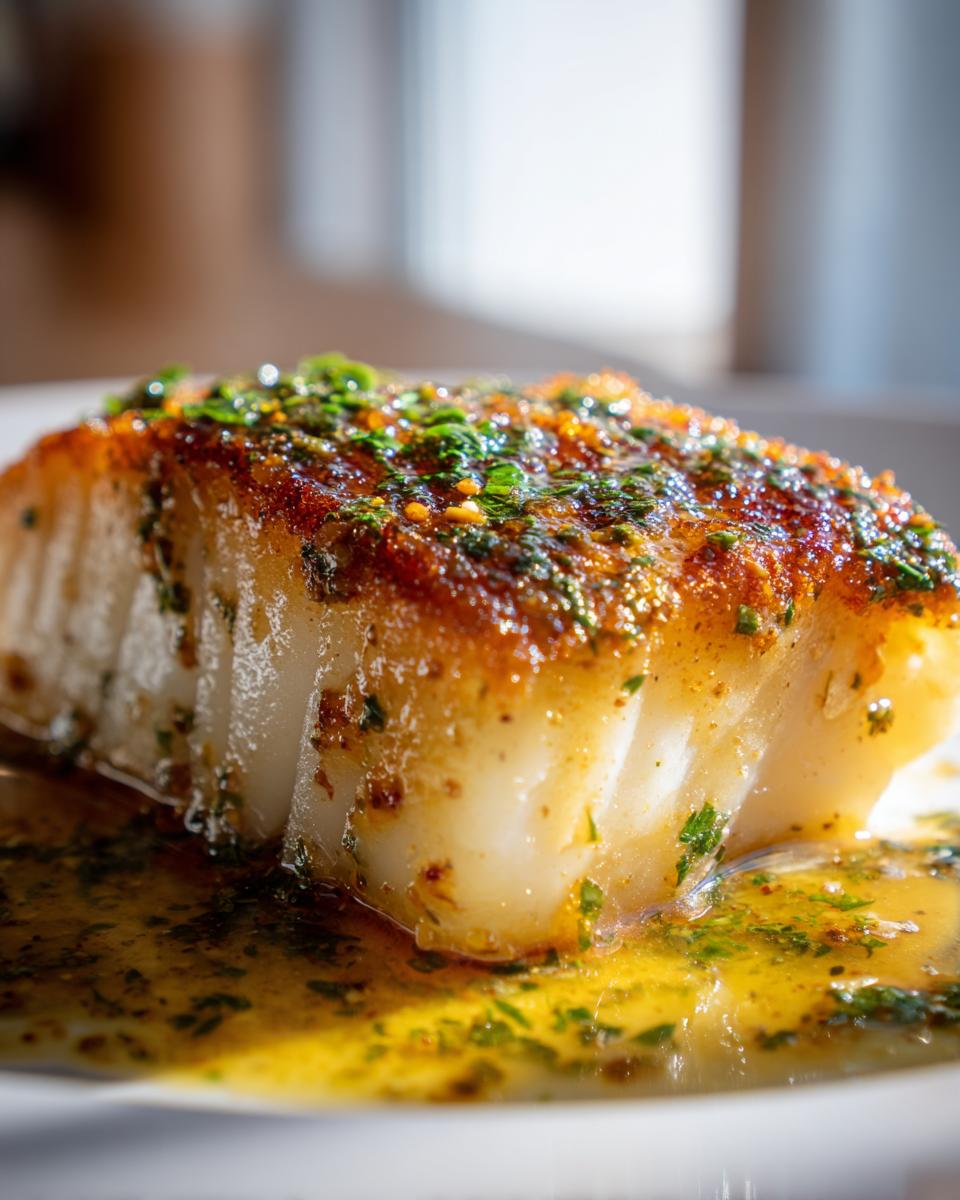
Place the fillets presentation-side down first. We want that gorgeous crust, so this is the “no touching zone.” You must let the fish sit patiently for a solid 4 to 5 minutes. Watch the sides; you’ll start seeing the cooked color creep up the fillet. If you lift it too soon, you risk tearing the crust right off! Patience yields the payoff for the crispy skin sea bass skillet method.
Once you’ve got that deep golden-brown color, flip it gently. Reduce the heat just slightly to medium now. Cook for another 3 to 5 minutes. We are aiming for 145 degrees Fahrenheit internally on a quick check with a thermometer, or just until you can easily flake it apart with a fork. Remove the fish and let it rest while we make the sauce.
Making the Quick Pan Sauce for White Fish
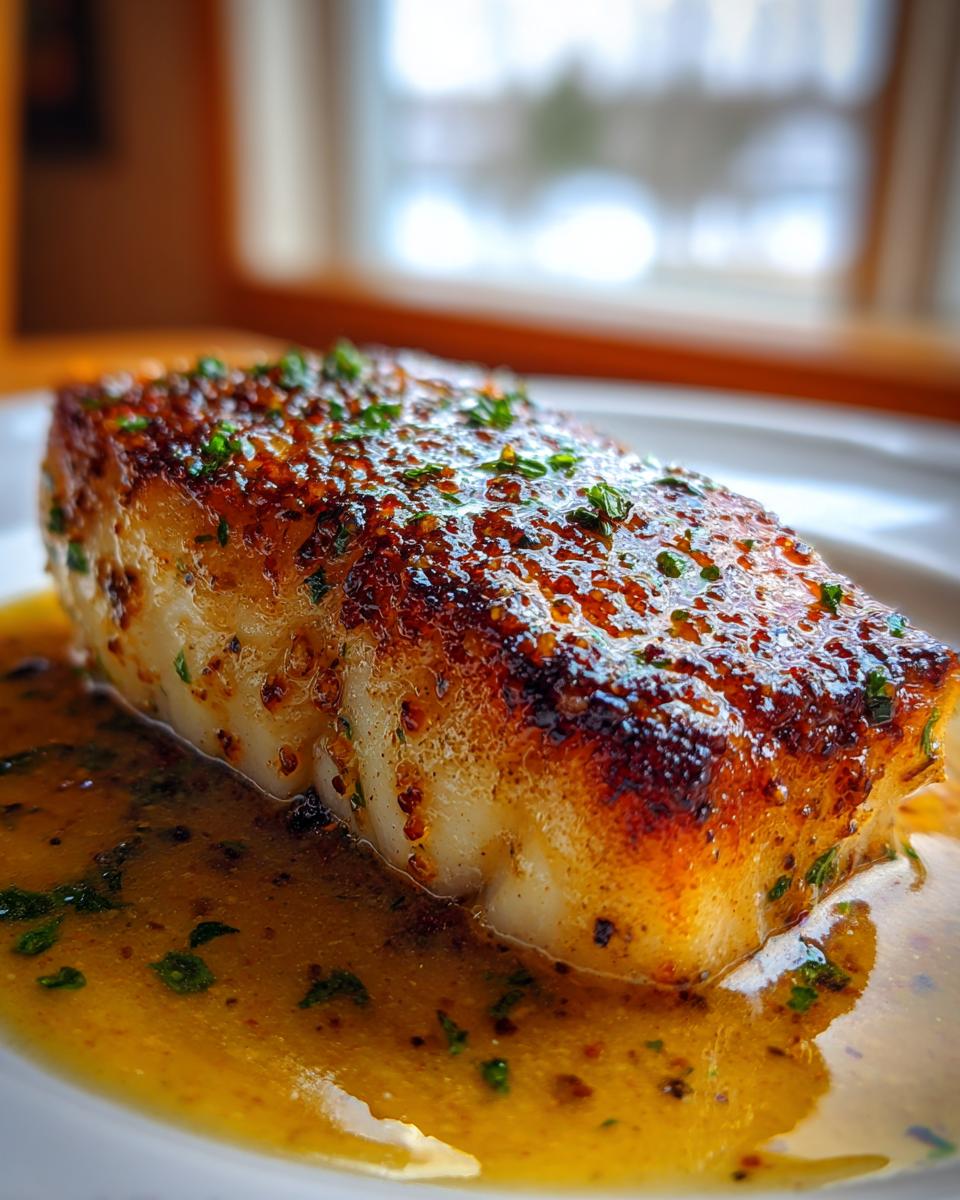
Don’t throw away those brown bits (that’s called *fond*, and it’s flavor gold!). Put the skillet back on low heat. Pour in that tablespoon of fresh lemon juice and use a wooden spoon to scrape every delicious browned speck off the bottom—that’s the start of our easy lemon butter sauce for fish.
The key to a glossy sauce is taking it off the direct heat, or at least turning the heat way down low. Whisk in those cubes of cold butter (cold is important!) one by one. Keep whisking until the sauce thickens slightly and looks shiny and emulsified. Don’t let it boil or it will break! Finally, toss in the fresh parsley and you are ready to serve this delicious buttery pan seared sea bass.
Tips for a Buttery Pan Seared Sea Bass Every Time
Even with the best recipe, sometimes things go sideways in the heat of the moment! Since we are aiming for that perfect buttery pan seared sea bass texture, let me share a few things I learned through my testing here at Bliss Batter. The biggest thing I want you to remember is: Don’t overcrowd the pan! If your skillet isn’t heavy or big enough for both pieces, cook them one after the other in batches. Piling them in drops the temperature, and then you’re steaming the fish instead of searing it, which leads to sticking for your easy weeknight dinner!
If your fillets are really thick—over that 1.5-inch mark—you might need assistance from the oven. After you get a nice color on both sides while searing (say, two minutes per side), pop the whole skillet right into a 400-degree oven until they hit that perfect flakiness. This is part of my refined Searing thick fish fillets instructions, and it guarantees you won’t burn the outside trying to cook the center.
And if you’re still worried about How to prevent sea bass from sticking to pan? That high-heat oil and making sure your fish is perfectly dry are 90% of the battle. If the crust isn’t ready to release naturally after 4 solid minutes, give it another 30 seconds; it just needs a little more time to form that perfect seal!
Serving Suggestions for Your Chilean Sea Bass Recipe Pan Seared
This sea bass is so rich and buttery; it doesn’t need heavy sides to go with it. The lemon butter sauce you just made does most of the heavy lifting! For some really simple Chilean sea bass dinner ideas, I always go for quick vegetables that soak up that extra sauce perfectly. Steamed asparagus with a tiny squeeze of lemon? Perfection. Or maybe some quick roasted new potatoes tossed in rosemary.
If you’re looking to add a little sweetness to balance the lemon, I highly recommend my recipe for honey-butter roasted carrots—they take just a bit longer to bake, so make those while the fish is searing. Seriously, keep your sides simple. The star here is that beautifully seared fish and that glossy dressing!
Storage and Reheating for Leftover Chilean Sea Bass Recipe Pan Seared
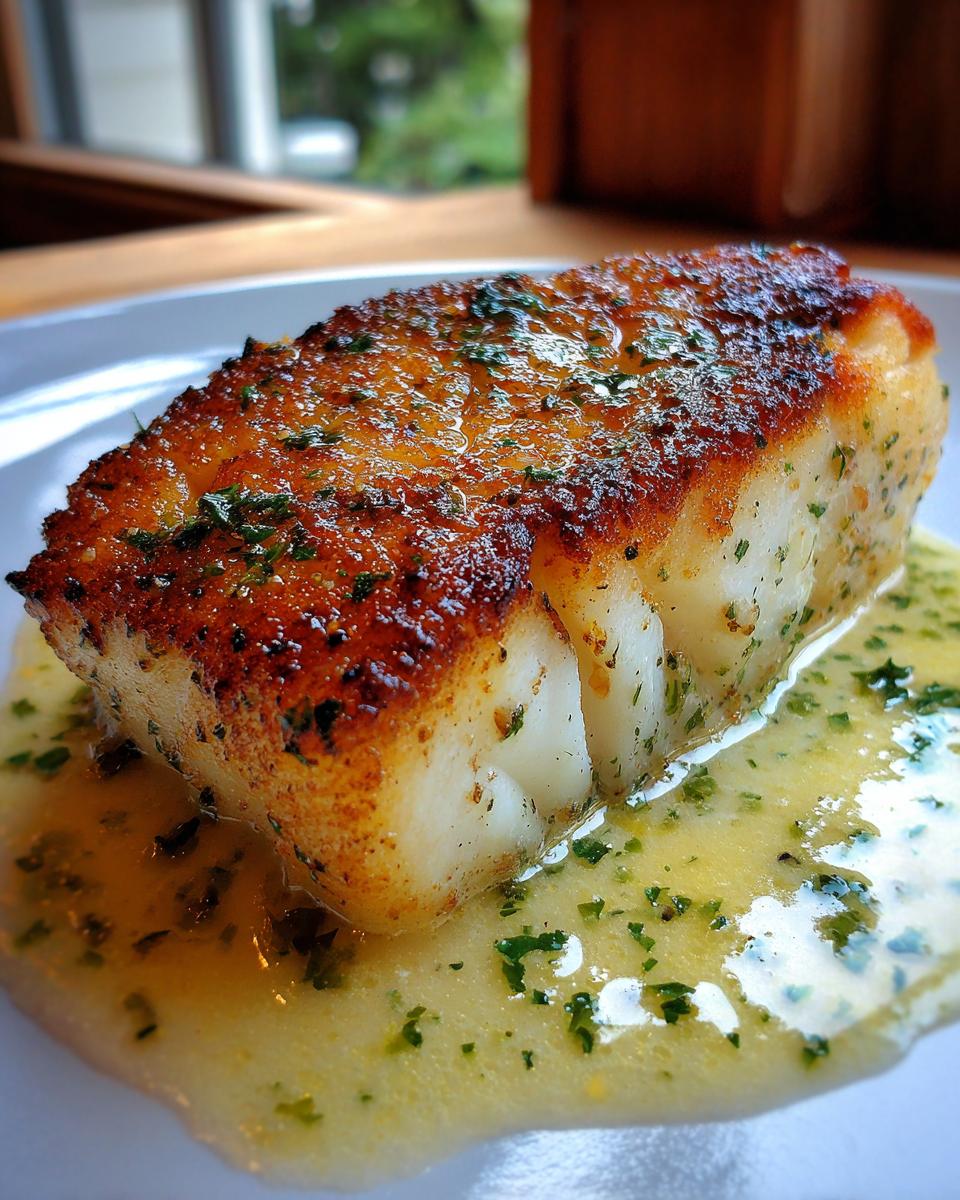
This fish is honestly best eaten immediately, but leftovers happen! If you have extra of this delicious chilean sea bass recipe pan seared, here’s what I do. Always store the fish and the gorgeous lemon butter sauce completely separately in airtight containers. The sauce is much more fragile than the fish after a full day in the fridge.
When you reheat, please, please avoid the skillet! It’ll just dry out or tear. I gently reheat the sea bass in a 250-degree oven on a baking sheet for about 8 minutes, or I’ll even steam it lightly to bring back that moisture. Then, just warm the sauce slightly on low heat and drizzle it over the top. Easy cleanup!
Frequently Asked Questions About the Chilean Sea Bass Recipe Pan Seared
Can I use a different fish if I can’t find Chilean Sea Bass?
Oh, that’s a great question! While nothing truly beats the rich, buttery flavor of sea bass—which is why this white fish recipe easy weeknight method is so fantastic—you can certainly substitute other firm white fish. I would recommend halibut or cod because they hold up really well to this high-heat searing. Just remember that cooking times will absolutely change, so keep that fork handy to check for flakiness!
What is the safe internal temperature for this Chilean Sea Bass recipe pan seared?
For all white fish, including sea bass, the USDA recommends a safe internal temperature of 145 degrees Fahrenheit. However, I often pull mine off the heat right around 140°F, because those thick fillets will continue to cook up a degree or two after you take them out of the pan—that’s called carryover cooking! This ensures you get that perfect result when mastering the flaky white fish pan sear technique.
Can I skip the butter entirely in the lemon butter sauce?
You certainly *can* try, but I wouldn’t recommend it if you want that glossy, restaurant-quality finish! The butter cubes are essential for creating that creamy emulsion we talked about; they add body and richness to the sauce. If you have a dairy sensitivity, you could try whisking in a tablespoon of good quality olive oil instead, but it won’t have the same luxurious texture as this buttery pan seared sea bass.
How do I prevent the presentation side from sticking initially?
This is all about heat management! Make sure your cast iron pan is hot before you add *anything*. Add the oil, let it get shimmering, and *then* add the butter. Only place the seasoned, bone-dry fish into the hot fat. If the pan is properly heated (and the fish isn’t wet!), the protein will release easily after about four minutes, giving you that amazing crust.
Nutritional Estimates for Pan Seared Sea Bass
I always like sharing a little snapshot of the nutrition facts, just so you know what you’re enjoying! Remember, since this is based on a specific portion size and doesn’t account for exact sourcing or the amount of sauce you use, consider these figures a helpful estimate rather than strict rules. This fish is wonderfully light, packed with protein, and super low in carbs, which I love when I’m trying to keep things simple.
It’s amazing how much flavor we can get out of just a few clean ingredients!
- Serving Size: 1 fillet
- Calories: around 350
- Total Fat: about 22g (most of that good, unsaturated fat!)
- Protein: A whopping 34g
- Carbohydrates: 0g
See? That high protein count makes this such a satisfying meal. It’s proof that simple, quality ingredients make for a truly satisfying and light dinner option.
Share Your Chilean Sea Bass Recipe Pan Seared Success
Now that you’ve mastered getting that perfect, flaky center and crispy exterior, I just want to hear all about it! Since baking (and searing!) is all about building confidence, knowing you succeeded makes my whole week. Did your fish release perfectly from the pan? How was that lemon butter sauce?
Please come back here and drop a rating below based on how much you enjoyed this simple dinner. I truly believe in the power of community sharing—it helps other home cooks take that leap and try something new. If you snapped a photo of your beautiful golden fillets, I would absolutely love to see it!
You can always share your creations over on Instagram and tag me—I check in every day to see the amazing things you all are making in your kitchens. It’s inspiring to see you all creating joy from simple ingredients. If you want to learn more about my philosophy on baking and cooking with confidence, feel free to check out my About Page!
Happy cooking, and thank you so much for trusting my tested recipes!
PrintPan Seared Chilean Sea Bass with Lemon Butter Sauce
Learn the simple technique for pan searing Chilean Sea Bass to achieve a crispy exterior and a moist, flaky interior. This recipe includes a quick lemon butter pan sauce for restaurant quality results at home.
- Prep Time: 5 min
- Cook Time: 10 min
- Total Time: 15 min
- Yield: 2 servings 1x
- Category: Dinner
- Method: Pan Searing
- Cuisine: American
- Diet: Low Fat
Ingredients
- 2 (6-ounce) Chilean Sea Bass fillets, about 1 to 1.5 inches thick
- 1 tablespoon olive oil
- 1 tablespoon unsalted butter
- Salt, to taste
- Freshly ground black pepper, to taste
- 1 tablespoon fresh lemon juice
- 2 tablespoons cold unsalted butter, cut into cubes
- 1 tablespoon fresh parsley, chopped
Instructions
- Prepare the fish: Pat the sea bass fillets completely dry using paper towels. This step is key for crispy skin. Season both sides generously with salt and pepper.
- Heat the pan: Place a heavy-bottomed skillet, preferably cast iron, over medium-high heat. Add the olive oil. When the oil shimmers slightly, add the 1 tablespoon of butter.
- Sear the first side: Carefully place the sea bass fillets presentation-side down (the side you want facing up when serving) into the hot skillet. Do not move the fish for 4 to 5 minutes to allow a deep golden-brown crust to form.
- Flip and finish cooking: Gently flip the fillets. Reduce the heat to medium. Cook for another 3 to 5 minutes, depending on thickness, until the internal temperature reaches 145 degrees Fahrenheit or the fish flakes easily with a fork.
- Make the pan sauce: Remove the fish from the skillet and set aside on a plate, tented loosely with foil. Place the skillet back over low heat. Add the lemon juice to the pan, scraping up any browned bits from the bottom.
- Emulsify the sauce: Whisk in the cold butter cubes one at a time until the sauce thickens slightly and becomes glossy. Do not let the sauce boil. Stir in the fresh parsley.
- Serve immediately: Spoon the lemon butter sauce over the pan seared sea bass fillets.
Notes
- For thick fillets (over 1.5 inches), you may need to finish the fish in a 400 degree Fahrenheit oven after searing both sides for 2 minutes each.
- Use a high smoke point oil like avocado or grapeseed oil if you prefer not to use olive oil for searing.
- Do not overcrowd the pan; cook the fish in batches if necessary to maintain high heat for a proper sear.
Nutrition
- Serving Size: 1 fillet
- Calories: 350
- Sugar: 0
- Sodium: 300
- Fat: 22
- Saturated Fat: 9
- Unsaturated Fat: 13
- Trans Fat: 0
- Carbohydrates: 0
- Fiber: 0
- Protein: 34
- Cholesterol: 95