

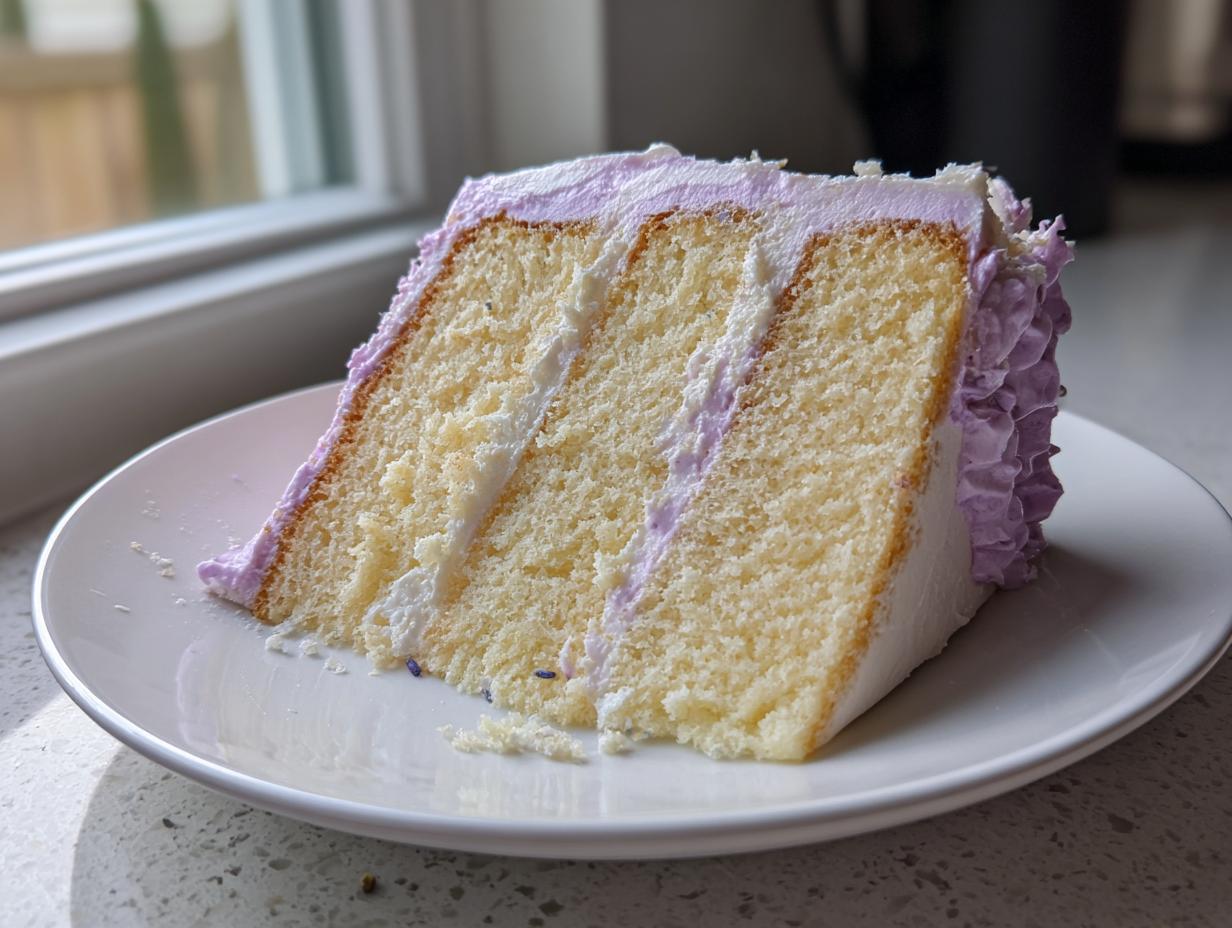
If you’ve been searching for that show-stopping dessert that screams elegance but doesn’t demand three days of complicated baking, I have totally got you covered. Finding the right balance in floral baking is tricky; we’ve all feared that soapy taste! That’s why I spent so much time perfecting this Lemon Lavender Layer Cake. It’s my ultimate expression of a perfect lavender cake because it delivers unbelievable moisture alongside bright, happy citrus and just the right whisper of floral perfume. Trust me, this is the keeper recipe you’ll pull out for every special occasion. You can see how much heart I poured into making this accessible on my About Page!
- Why This Lemon Lavender Cake Recipe Stands Out (Unique Selling Points)
- Gathering Ingredients for Your Lemon Lavender Cake
- Step-by-Step Instructions for the Best Lavender Cake Recipe
- Tips for Success with Elegant Baking Recipes
- Variations: From Lemon Lavender Cake to Earl Grey Cake
- Serving Suggestions for Your Tea Party Cakes
- Storage and Reheating Instructions for Your Lavender Cake
- Frequently Asked Questions About Making a Lavender Cake Recipe
- Estimated Nutritional Data for This Moist Cake Recipes Slice
Why This Lemon Lavender Cake Recipe Stands Out (Unique Selling Points)
When I first started experimenting with floral cakes, I found so many recipes that were either too dry or tasted like potpourri! Yuck. This lavender cake recipe fixes all those problems right out of the gate. I wanted something sophisticated enough for a bridal shower but easy enough for a Saturday afternoon bake. Here’s what sets this particular lemon lavender creation apart from the rest:
- It really delivers on being one of those truly moist cake recipes; no one likes a crumbly slice, right?
- The lemon isn’t just an afterthought—it actively brightens the floral notes so you get fragrance without the perfume!
- It’s visually stunning. This cake truly looks like something you’d find in a fancy bakery window. Skip over those quick dinners for one night and make this instead!
Achieving the Perfect Moist Cake Recipes Texture
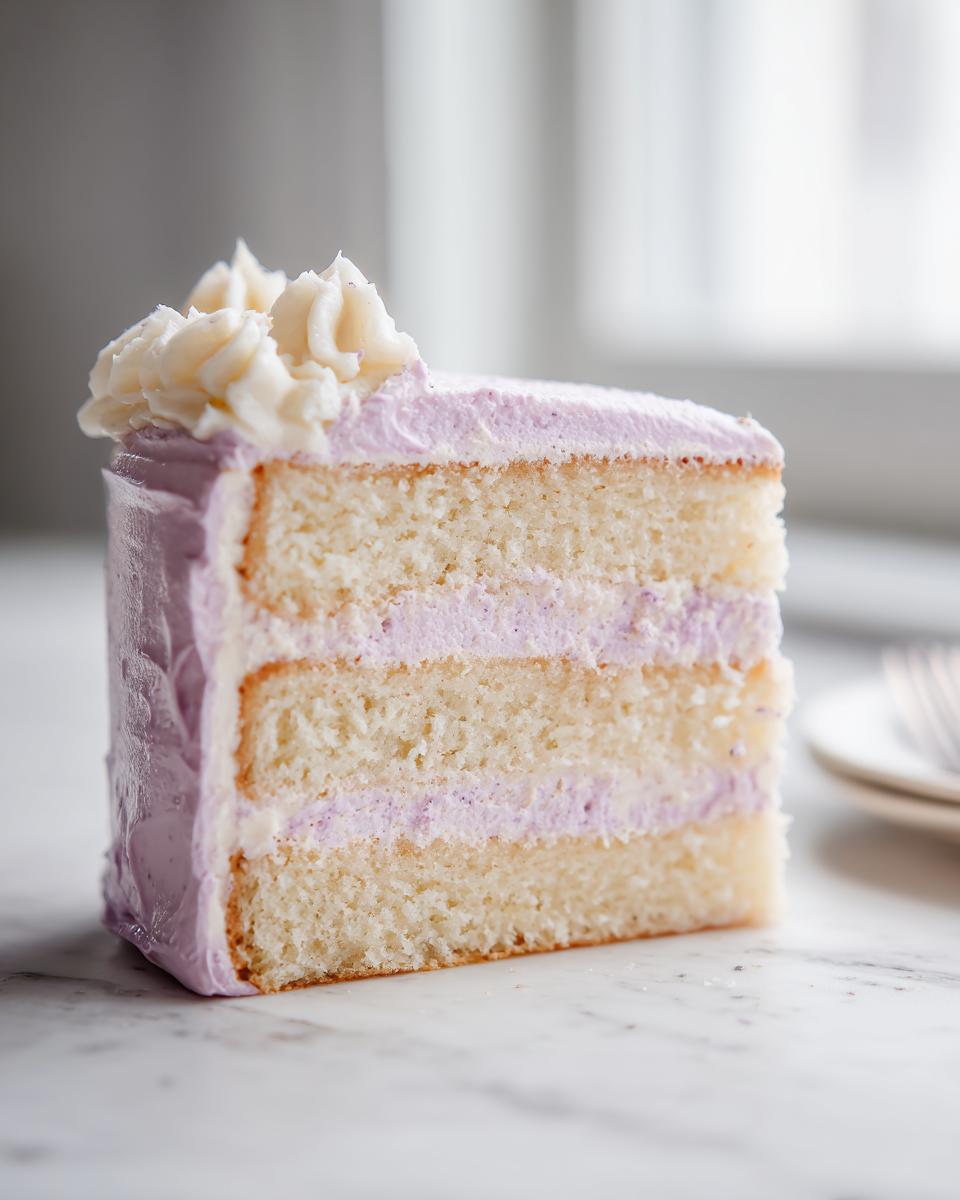
Moisture is everything, especially with a slightly denser layer cake like this one. We achieve that beautiful texture by making sure all our dairy ingredients, like the milk and eggs, are at room temperature. That helps them emulsify beautifully with the butter, trapping air and moisture inside. Plus, the slight acidity from the lemon juice teams up with the baking powder to give us a tender cell structure. That’s the secret to these moist cake recipes!
Balancing Floral Notes: Avoiding the ‘Soapy’ Flavor in Your Lavender Cake
This is where most people go wrong, and I’m so glad you’re here to learn the right way! The key to a delicious lavender cake is controlling that essential oil flavor. You absolutely must use culinary-grade lavender—the stuff for your sachets is way too strong and likely treated with pesticides. My biggest tip is in the first step: steep the lavender for exactly 30 minutes in the warm milk and then strain it out completely. Taste that milk before you add it; if it tastes even remotely soapy, trust your gut and steep it less next time!
Gathering Ingredients for Your Lemon Lavender Cake
Okay, now that we know how important gentle flavor is, let’s look at what you’ll need to grab from the pantry. This flavor combination—that gorgeous lemon lavender cake pairing—works because the lemon zest cuts through the florals! It keeps the whole thing tasting bright and fresh, perfect for spring or any tea party. I always keep bowls of fresh lemons on hand, just waiting for a chance like this! If you’re planning a cozy afternoon bake with this, maybe try my apple cider cocktail for a non-alcoholic pairing!
Before you start anything, remember those crucial notes about the lavender, okay? We’re using the good stuff!
Cake Base Ingredients: For the Tender Crumb
- 1 3/4 cups all-purpose flour
- 1 1/2 teaspoons baking powder
- 1/2 teaspoon salt
- 1 cup unsalted butter, softened
- 1 3/4 cups granulated sugar
- 3 large eggs, room temperature (so important!)
- 1 tablespoon lemon zest
- 1 teaspoon culinary dried lavender, finely ground
- 1 teaspoon vanilla extract
- 1/2 cup whole milk
- 1/4 cup fresh lemon juice
- 1 tablespoon dried culinary lavender, steeped in milk (for infusion)
- 1/2 cup whole milk (for infusion)
My little homemade addition that makes the cake special starts right here with the milk. Take that 1/2 cup of milk and the 1 tablespoon of dried culinary lavender. You’ll gently warm the milk, steep the lavender for 30 minutes, and then strain it all out before you use it. This captures the scent without overpowering the cake!
Creamy Lavender Buttercream Frosting Ingredients
- 1 cup unsalted butter, softened
- 3 cups powdered sugar, sifted (don’t skip the sifting!)
- 1/4 cup fresh lemon juice
- 1 teaspoon vanilla extract
- 1/2 teaspoon culinary dried lavender, finely ground
We need that powdered sugar sifted for our lavender buttercream frosting so we don’t end up with any tiny lumps in our creamy topping. That smooth texture is just as important as the cake’s tenderness when you’re aiming for something elegant!
Step-by-Step Instructions for the Best Lavender Cake Recipe
This is the part where the magic really happens, but precision is key—especially with florals! I’ve broken the process down into the main stages to keep things tidy. You’ll notice we start with the infusion, which needs time to actually work its magic. Don’t rush this, or you’ll miss out on that true depth of flavor we’re aiming for! While you wait for the milk, maybe check out my recipe for a salted caramel latte to sip on!
Preparing the Lavender Milk Infusion (Crucial First Step)
Before we even touch the mixer, we have to get that lovely floral essence into the milk. Gently warm up your 1/2 cup of milk—just until it’s steaming around the edges, don’t let it boil! Then, stir in that 1 tablespoon of dried culinary lavender, cover it up, and just let it sit for 30 minutes. This slow soak releases the aromatic oils gradually. After 30 minutes, pour it all through a fine-mesh sieve into a small bowl. You have to press down on those lavender bits—really squeeze them—to get every last drop of flavor out! Then, here’s my biggest procedural tip: let that strained milk—your lavender milk—cool completely before you use it in the batter. Warm milk messes with the butter and sugar cream!
Mixing and Baking Your Lavender Cake Layers
Once the milk is cool, it’s time to mix the cake. Start by creaming your softened butter and sugar until it’s just light and fluffy; this traps the air we need. Then, add your eggs one at a time. When it comes to adding the dry stuff (flour mix) and the wet stuff (milk/lemon juice mix), you have to alternate! Start and end with the dry. Add a third of the flour, mix slightly, then half the liquid, mix slightly, and so on. The absolute rule here is: do not overmix! We’re aiming for a tender lavender cake, not a tough one. Bake those beautiful layers at 350°F (175°C) for about 30 to 35 minutes. Test it with a pick—if it comes out clean, they are ready to cool.
Making the Silky Lavender Buttercream Frosting
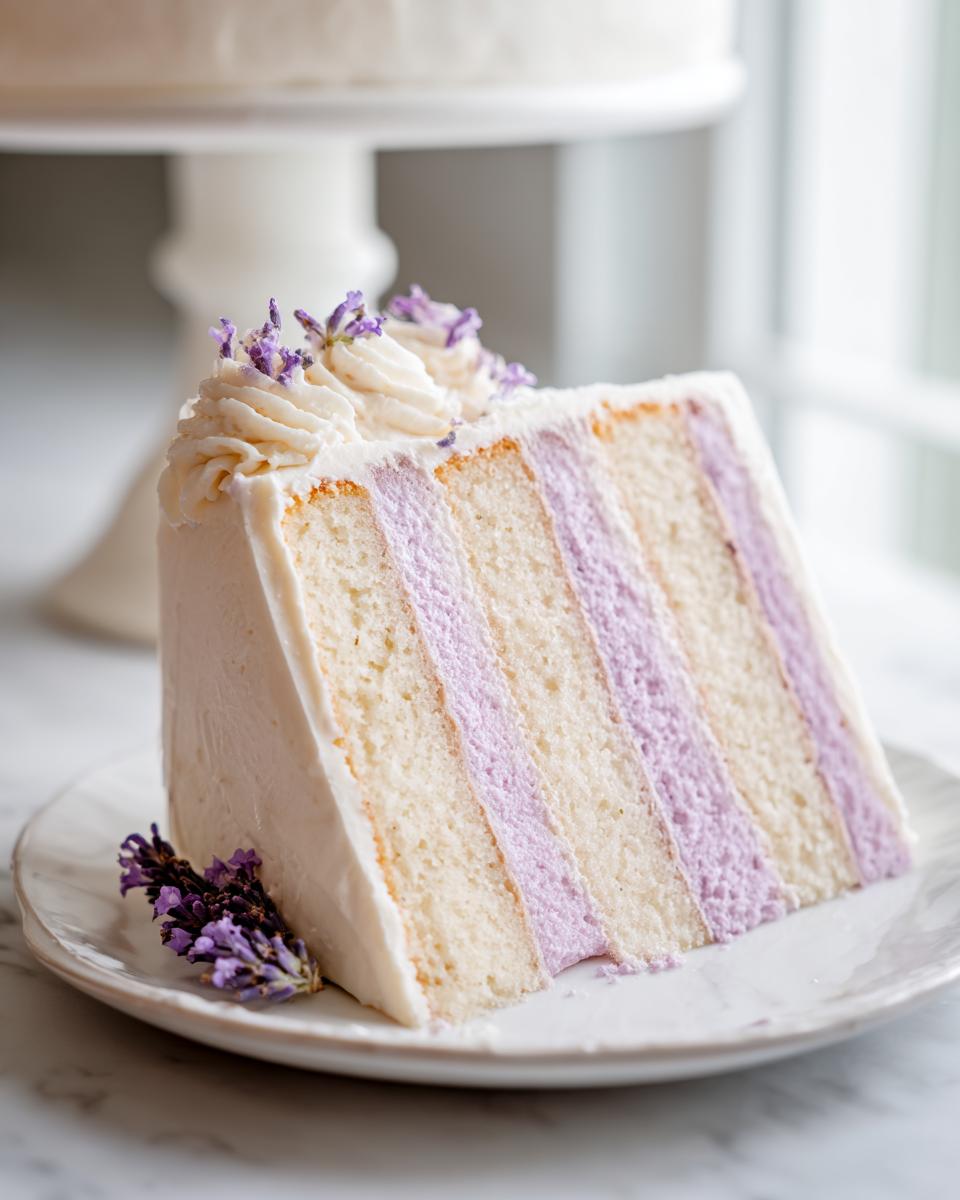
While those beauties are cooling, we whip up the topping! Get your softened butter going first in the stand mixer and beat it until it’s pale and creamy on its own. Then, slowly add in the sifted powdered sugar. Once that’s sort of combined, add in your lemon juice, vanilla, and the finely ground lavender for the frosting. Now, turn that mixer up high! Beat it for a good 3 to 5 minutes until the lavender buttercream frosting looks airy and super silky. If it seems too runny, just add a tiny bit more powdered sugar until you get that light, glorious texture.
Tips for Success with Elegant Baking Recipes
Pulling off elegant baking recipes like this lemon lavender layer cake always comes down to paying attention to the little details. We’ve covered the main steps, but I want to give you a couple of final pointers to make sure your creation is absolutely flawless. When you’re working with delicate, aromatic ingredients, you can’t slack off on the details. Honestly, I learned all this the hard way experimenting while trying to move fast after my corporate career! If you’re looking for another great spice bake, my chai spice cookies have a similar balancing act with their spices.
Ingredient Spotlight: Culinary Lavender vs. Household Varieties
I mentioned this before, but it bears repeating because it’s the difference between Heavenly and Horrible. You must use culinary-grade dried lavender. I know it’s tempting to grab that small packet of lavender you bought for your linen closet—don’t do it! Household varieties are often treated with chemicals that are wonderful for scenting a drawer but terrible for baking. They also have dramatically different potency levels. Culinary lavender is grown specifically for consumption, meaning it’s cleaner and much less potent per teaspoon. If you buy it online, look for sellers who specifically label it for culinary use. I usually buy a decent amount at the start of spring because it goes perfectly with other spring desserts we bake!
Assembly Tips for a Showstopping Lavender Cake
Once the layers are completely cool—and I mean *completely* cool—you can move on to frosting. If those layers are even slightly warm, you’ll have a melted mess on your hands; the soft buttercream will slide right off, and you’ll end up fighting the cake instead of decorating it! Before you stack, you can use a very long serrated knife to gently level the tops of your baked layers if they domed at all. This ensures a perfectly flat stack. When spreading that beautiful lavender buttercream frosting, start by putting a small dollop on your serving plate—this acts like glue and keeps the first layer from sliding around as you work. Then, apply even pressure as you smooth the sides. A bench scraper works wonders for getting those professional, smooth sides on your lavender cake.
Variations: From Lemon Lavender Cake to Earl Grey Cake
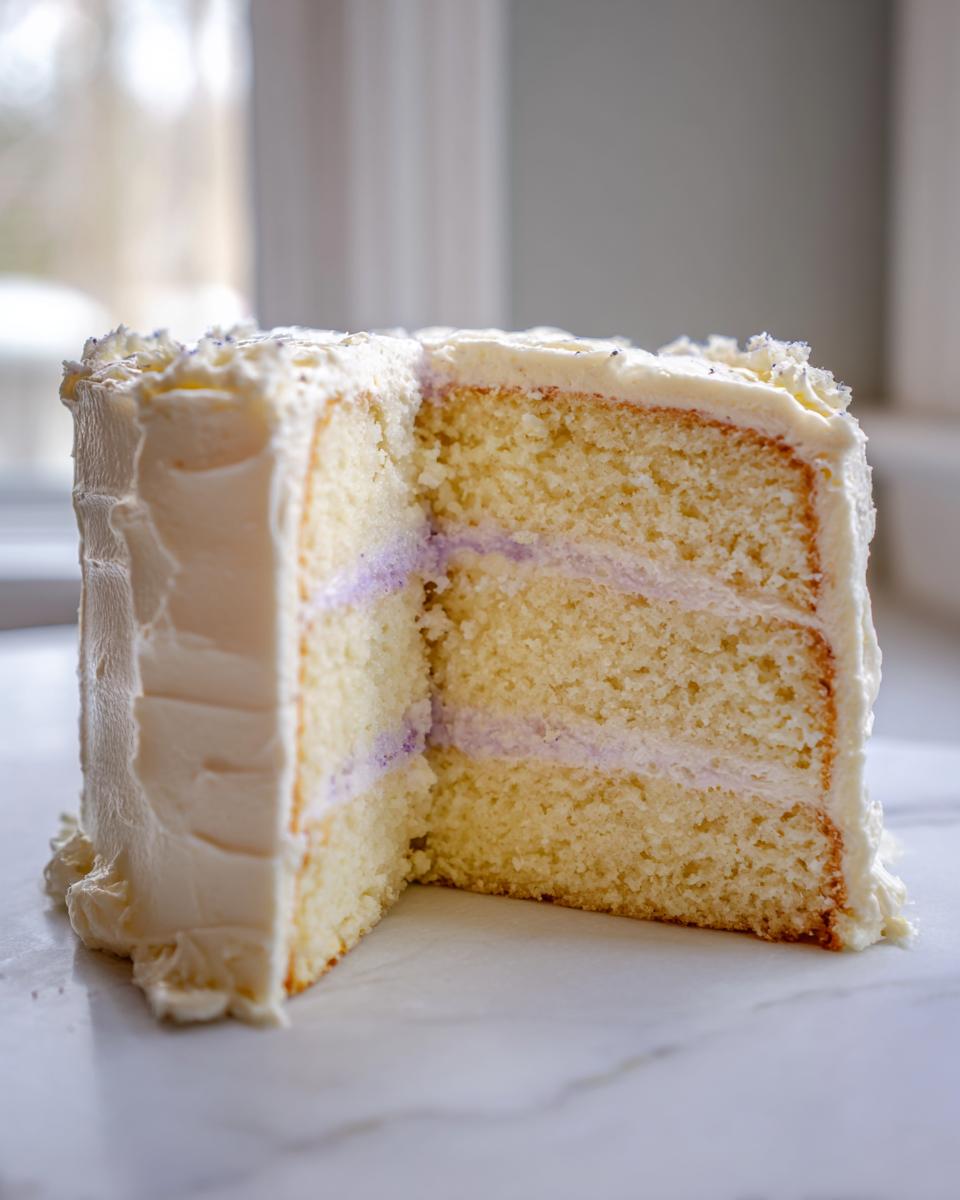
Part of the fun in baking is taking a fantastic base and making it your own! While I absolutely adore this bright citrusy version, this tender layered cake is perfect for experimenting with other floral cake ideas. Once you master the milk infusion technique—that’s the secret sauce, remember?—you can swap out the flavor profile easily. It’s all about creating those unique cake flavors that wow your guests! This recipe is so flexible, it’s practically begging you to try something new. If you want to see how I handle incorporating other intense flavors into a batter, check out my rustic loaf recipe for inspiration!
Creating a London Fog Cake Inspired Lavender Cake Recipe
If you’re someone who loves a rich cup of Earl Grey tea, you will fall head over heels for a London Fog cake! This is such a cozy, sophisticated bake. To adapt this recipe, you’ll skip the lemon zest entirely. Instead of using our lavender-steeped milk, you would steep two or three Earl Grey tea bags—or loose leaf equivalent—in that warmed hot milk for about 10 minutes. Remember to taste it frequently! Once the tea flavor is strong enough in the milk, strain it out, let it cool, and use that in place of the liquid mixture components. You can keep the small amount of ground lavender in the cake batter, or skip it completely depending on how strong you want the floral note to be. It’s an amazing twist on the basic lavender cake recipe.
Adding Fruit: Try a Blackberry Lavender Cake Recipes Twist
Oh, I love a good fruit-and-flower combination, and blackberries are just stunning with lavender! For a delightful blackberry lavender cake recipes spin, you can stick with the lemon flavor profile in the cake batter and then introduce the blackberries in the filling. My favorite way is to create a simple quick jam using fresh or frozen blackberries simmered down with a little sugar until thick. Let that cool completely, and use it as a thin filling layer between your two cakes, right under that gorgeous buttercream. You could even swirl a little blackberry puree into that frosting for a stunning purple effect. If you’re looking for other slightly tart, elegant cakes, you can see a highly popular version of this type of bake over here Lemon Lavender Cake recipe!
Serving Suggestions for Your Tea Party Cakes
Now that you have this beautiful, fragrant creation cooling (or maybe it’s already frosted!), we have to talk about how to serve this masterpiece. This Lemon Lavender Cake just screams elegance, making it the perfect star for your upcoming tea party cakes spread. It really shines as a centerpiece for less fussy, more intimate gatherings, which is why I adore making one for Mother’s Day or just a casual Sunday afternoon when I need a little lift.
Presentation-wise, I really love keeping it simple because the colors—the creamy white frosting and the hint of pale lavender speckles—are already so lovely. I usually dust the top with just a tiny bit more sifted powdered sugar right before serving, like a very delicate layer of snow. If you have fresh, edible lavender sprigs, using just one or two small ones on top makes it look incredibly gourmet!
When it comes to beverages, you have a few wonderful choices that complement the lemon and the floral notes. If you’re going for a traditional afternoon tea vibe, a simple, high-quality black tea without too much spice works perfectly. But because of that bright lemon in the cake, anything slightly citrusy elevates the whole experience. If you’re looking for a warm, comforting drink to serve alongside it, especially if the weather is still a little cool, you absolutely must try my recipe for a hot toddy variation—the lemon and honey notes pair so beautifully with the cake’s base flavor!
Honestly, the best pairing is just a happy crowd gathered around the table. This is one of those spring desserts that instantly makes everyone smile, so enjoy the moment!
Storage and Reheating Instructions for Your Lavender Cake
You put so much love into creating this gorgeous lavender cake, so of course, you want it to taste just as heavenly the next day—or even two days later! Luckily, because we used such fantastic, moistening techniques in the base recipe, this cake holds up really well. However, the storage method really depends on what you topped it with.
If you used my rich lavender buttercream frosting, keeping it cool is important to maintain that structure. You can store the frosted cake in an airtight container at cool room temperature for up to two days. I know, I know, we usually rush to shove everything in the fridge, but cold temperatures can actually dry out most butter-based cakes faster! If it’s a super hot or humid day where you live, then refrigeration is necessary to stop that beautiful frosting from melting into a puddle, but you have to bring it back to room temperature before serving it.
When you take it out of the fridge, let it sit on the counter for at least an hour before slicing. That hour lets the butter in the cake and the frosting soften up, restoring that tender crumb we worked so hard to achieve! If you need to store slices individually, wrap each piece tightly in plastic wrap right after slicing. That keeps any fridge odors out and locks in moisture.
If you happen to have leftovers that are a day or two old and you want to refresh them slightly—maybe you’re dusting off a slice you forgot about—I have a little trick. You can lightly spritz an individual slice with a tiny bit of lemon water or even a simple thin lavender glaze just before serving. This brings back that fresh-baked feel! For simple storage ideas that aren’t frosting specific, I always rely on a good airtight seal, just like when I’m storing my slow cooker apple butter!
Frequently Asked Questions About Making a Lavender Cake Recipe
It’s totally normal to have questions pop up when you’re baking with a unique flavor like floral notes! I know I did when I first started developing this, which is why I made sure this lavender cake recipe is as foolproof as possible. Here are some of the things I get asked most often about achieving that perfect bake. If you have other questions, feel free to check out my tips on my pumpkin cheesecake recipe too!
Can I use fresh lavender instead of dried in this lavender cake recipe?
This is a tricky one! Technically, yes, but I strongly advise against it unless you are very experienced with fresh lavender. Fresh lavender is much, much more potent than dried culinary lavender. If you use fresh, you would need about three times the amount by volume, and even then, the chances of getting that overpowering, soapy flavor shot way up. Dried lavender is concentrated, meaning you use less for more predictable flavor extraction, especially when you steep it in the milk for our infusion step. Stick to the dried stuff for this recipe; it keeps the bake reliable!
How do I make a simple lavender glaze if I skip the buttercream?
That’s a great question if you want something lighter, maybe for a pound cake version or a hot day! Making a simple lavender glaze is super easy. You basically just need powdered sugar and liquid. For a small batch, start by mixing about 1 cup of sifted powdered sugar with 1 tablespoon of fresh lemon juice. Now, here’s the trick: steep a tiny pinch of dried lavender in just 1 teaspoon of very hot water for about 5 minutes, then strain that strongly flavored liquid. Add that tinted, flavored water *a drop at a time* to your sugar/lemon mix until you get a thick but pourable consistency. Drizzle it over the completely cooled cake and let it set!
What makes this a great special occasion cakes choice?
This cake is my go-to for everything from baby showers to nicer birthday dinners because it hits that perfect sweet spot between familiar and novel. It’s a lovely layer cake, so it’s visually impressive and feels celebratory, but the flavor is unexpected. Most people haven’t had lemon and lavender together, and they immediately stop to ask what that amazing, delicate flavor is! It feels light and sophisticated, distinguishing it from heavier chocolate or classic vanilla bakes. It’s fancy without being fussy, which, in my book, is the definition of perfect special occasion cakes.
Estimated Nutritional Data for This Moist Cake Recipes Slice
I know some of you wonderful bakers keep track of these things, and even though this cake is all about joy and not counting calories, I always want to be transparent about what’s in the treats we make! Keep in mind that as bakers, we know these numbers are always estimates. Depending on how much frosting you pile on (and I won’t judge if you go heavy!), or the exact size of your eggs or lemons, the final count will shift a little bit.
These numbers are based on dividing the recipe into 10 even servings. Enjoying this beautiful moist cake recipes slice is totally worth it, but maybe save the second slice for tomorrow! If you want another recipe that pairs well with a balanced diet, check out my easy lentil soup recipe for dinner!
- Serving Size: 1 slice
- Calories: 450
- Sugar: 45g
- Sodium: 250mg
- Fat: 28g
- Saturated Fat: 17g
- Unsaturated Fat: 11g
- Trans Fat: 0.5g
- Carbohydrates: 48g
- Fiber: 1g
- Protein: 4g
- Cholesterol: 95mg
Just a little note here, just like I promised: This data is purely an estimation based on the recipe components listed. We work hard to get these details right for you, supporting our commitment to homemade gourmet results, but please take these figures as a guideline!
PrintMoist Lemon Lavender Layer Cake with Creamy Buttercream Frosting
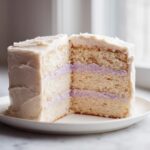
Create this show-stopping Lemon Lavender Layer Cake. This recipe delivers a moist, tender crumb infused with bright citrus and delicate floral notes, topped with a rich, creamy buttercream frosting. It is perfect for special occasions or elegant tea parties.
- Prep Time: 40 min
- Cook Time: 35 min
- Total Time: 1 hour 15 min
- Yield: 10 servings 1x
- Category: Dessert
- Method: Baking
- Cuisine: American
- Diet: Vegetarian
Ingredients
- 1 3/4 cups all-purpose flour
- 1 1/2 teaspoons baking powder
- 1/2 teaspoon salt
- 1 cup unsalted butter, softened
- 1 3/4 cups granulated sugar
- 3 large eggs, room temperature
- 1 tablespoon lemon zest
- 1 teaspoon culinary dried lavender, finely ground
- 1 teaspoon vanilla extract
- 1/2 cup whole milk
- 1/4 cup fresh lemon juice
- 1 tablespoon dried culinary lavender, steeped in milk (for infusion)
- 1/2 cup whole milk (for infusion)
- 1 cup unsalted butter, softened (for frosting)
- 3 cups powdered sugar, sifted (for frosting)
- 1/4 cup fresh lemon juice (for frosting)
- 1 teaspoon vanilla extract (for frosting)
- 1/2 teaspoon culinary dried lavender, finely ground (for frosting)
Instructions
- Preheat your oven to 350°F (175°C). Grease and flour two 8-inch round cake pans. Line the bottoms with parchment paper.
- Infuse the milk: Gently warm 1/2 cup of milk in a small saucepan until steaming but not boiling. Remove from heat, stir in 1 tablespoon of dried culinary lavender, cover, and let steep for 30 minutes. Strain the milk through a fine-mesh sieve, pressing on the lavender solids to extract liquid. Discard the solids and let the milk cool completely.
- In a medium bowl, whisk together the flour, baking powder, and salt. Set aside.
- In a large bowl, cream the softened butter and granulated sugar with an electric mixer until light and fluffy, about 3 minutes.
- Beat in the eggs one at a time, mixing well after each addition. Mix in the lemon zest, 1 teaspoon of finely ground lavender, and vanilla extract.
- In a small bowl, whisk together the 1/4 cup lemon juice and the cooled, strained lavender-infused milk.
- Alternately add the dry ingredients and the wet ingredients to the butter mixture, beginning and ending with the dry ingredients (add 1/3 of the flour mixture, then 1/2 of the liquid mixture, repeat). Mix only until just combined after each addition. Do not overmix.
- Divide the batter evenly between the prepared cake pans. Bake for 30 to 35 minutes, or until a wooden pick inserted into the center comes out clean.
- Let the cakes cool in the pans for 10 minutes before inverting them onto a wire rack to cool completely.
- Prepare the Lavender Buttercream Frosting: In a large bowl, beat the softened butter until smooth. Gradually add the sifted powdered sugar, mixing on low speed until incorporated.
- Add the 1/4 cup lemon juice, vanilla extract, and 1/2 teaspoon of finely ground lavender. Beat on medium-high speed until the frosting is light and creamy, about 3 to 5 minutes. Add more powdered sugar if the frosting is too thin.
- Once the cakes are completely cool, place one layer on a serving plate. Spread about 1 cup of frosting evenly over the top. Place the second layer on top.
- Frost the top and sides of the entire cake with the remaining buttercream frosting. Decorate as desired.
Notes
- Use only culinary-grade dried lavender. Household lavender may contain pesticides or be too strong.
- For a deeper floral note, steep the lavender in the milk for 45 minutes, but taste frequently to avoid a soapy flavor.
- For a more vibrant color, you can add a tiny drop of purple food coloring to the frosting.
Nutrition
- Serving Size: 1 slice
- Calories: 450
- Sugar: 45
- Sodium: 250
- Fat: 28
- Saturated Fat: 17
- Unsaturated Fat: 11
- Trans Fat: 0.5
- Carbohydrates: 48
- Fiber: 1
- Protein: 4
- Cholesterol: 95