

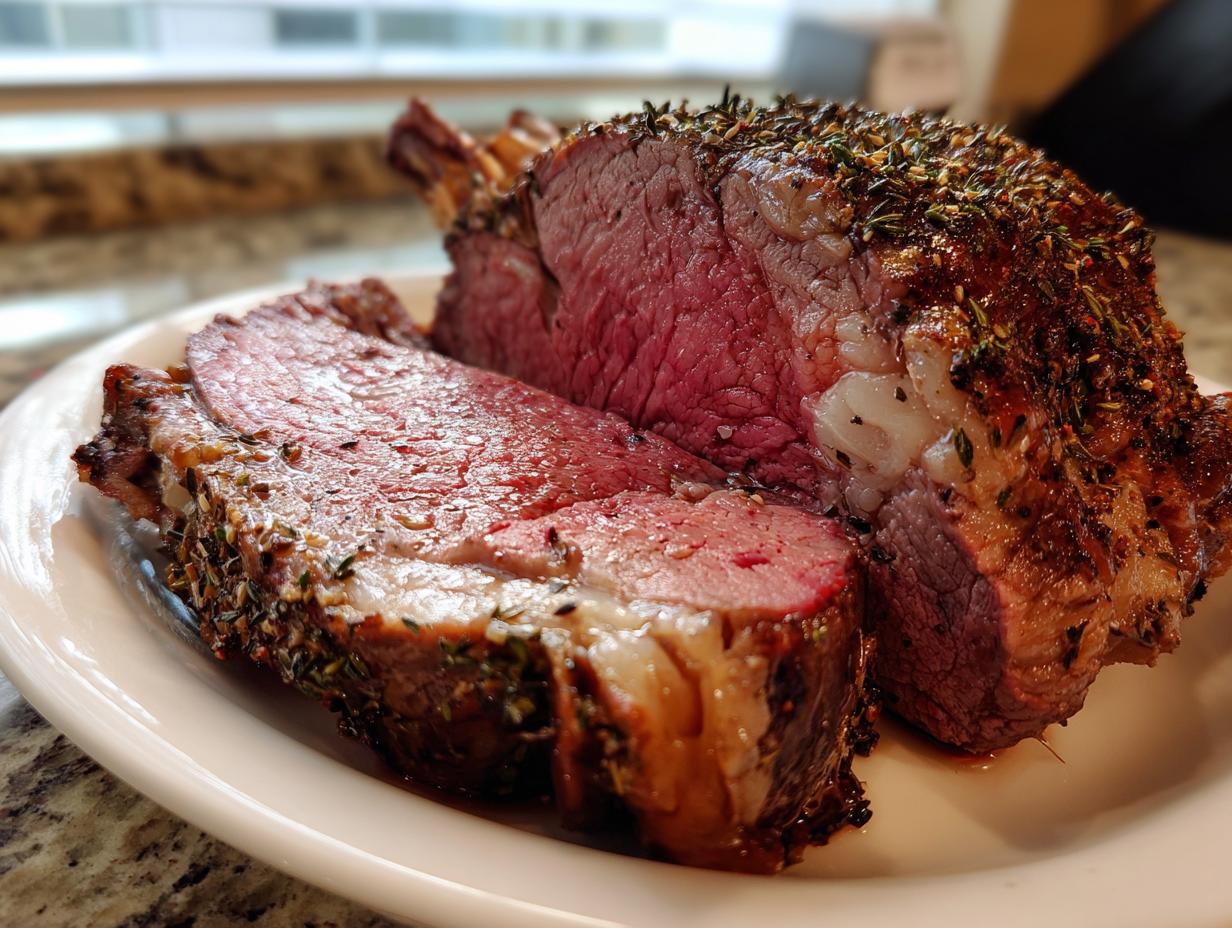
I know what you’re thinking: Prime Rib. It sounds fancy, maybe even a little bit intimidating, right? But trust me, making a show-stopping, melt-in-your-mouth roast for your holiday table or a big family dinner doesn’t need to cause a kitchen meltdown!
That’s why I spent ages refining this ultimate prime rib recipe. This is my guaranteed, foolproof oven method designed to give you the juiciest, most tender roast imaginable, every single time. We’ve worked out all the kinks so you can focus on enjoying the moment. If you love a hearty, comforting meal like my classic pot roast recipe, you are going to adore making this big, beautiful beef roast. When you follow these simple steps, you’ll have an impressive main course that tastes like it came straight from a five-star restaurant. It’s pure, simple culinary bliss!
- Why This Is The Best Prime Rib Recipe for Your Next Big Dinner
- Gathering Ingredients for Your Prime Rib Recipe
- Step-by-Step Instructions for Our Easy Prime Rib Roast
- Tips for the Perfect Roast Beef: Secrets to a Juicy Prime Rib Recipe
- Serving Suggestions for Your Impressive Main Course
- Storage and Reheating Instructions for Leftover Prime Rib Recipe
- Frequently Asked Questions About This Prime Rib Recipe
- Making This Prime Rib Recipe Part of Your Holiday Roast Recipes
Why This Is The Best Prime Rib Recipe for Your Next Big Dinner
I promise you, making restaurant-quality beef at home shouldn’t feel like rocket science! This method strips away all the fuss, giving you sheer confidence when that big roast needs to go into the oven. It’s truly a no fail prime rib approach.
- You get that incredible, flavorful crust without burning everything!
- The result is guaranteed to be a juicy prime rib—no more dry edges!
- It feels surprisingly hands-off once it gets going, leaving you time to set the table.
Honestly, I used to dread holiday roasts until I nailed this technique. Now, I just smile knowing the oven is doing all the heavy lifting for a truly tender prime rib roast. If you loved my tips for braised short ribs, wait until you see how easy this gets!
Achieving a Tender Prime Rib Roast Every Time
The magic is really in the temperature control, sweetie. First, that mandatory step of letting the roast sit out for a couple of hours isn’t just busywork; it brings the beef closer to an even temperature inside, meaning no cold centers. Then, we shock it with that high heat (450°F) for just a quick fifteen minutes. That sets that beautiful crust!
Right after that initial blast, we immediately drop the heat way down to 325°F. This two-stage cooking process ensures the outside gets tons of deep flavor while the inside cooks gently and evenly. That’s the secret to that unbelievably melt-in-your-mouth texture everyone raves about!
Gathering Ingredients for Your Prime Rib Recipe
Okay, let’s get organized! Like any good bake, having everything measured out before you start rubbing that beautiful beef is half the battle won. I like to keep things super clean and simple here—this herb crust is all you need to create that restaurant-style flavor without having to hunt down a million spices. Trust me, these simple items deliver big results, just like my easy homemade garlic butter recipe does for toast!
Remember, quality matters here since the beef is the star. Make sure you grab a bone-in prime rib roast; those bones help insulate the meat so it cooks more evenly, which is crucial for that perfect medium-rare center. For this section, you’ll need exactly the following amounts:
- One (5-7 pound) bone-in prime rib roast (Yes, aim for about 3 ribs attached!)
- 2 tablespoons kosher salt
- 1 tablespoon black pepper (Freshly ground if you have it, please!)
- 1 tablespoon garlic powder
- 1 tablespoon onion powder
- 1 tablespoon dried rosemary
- 1 tablespoon dried thyme
- 1/4 cup olive oil
- 4 cloves garlic, minced (Don’t be shy with these little flavor bombs!)
That’s it! Keep these ingredients handy, and we’ll move right into the fun part: turning this beautiful raw beef into a perfectly seasoned centerpiece.
Step-by-Step Instructions for Our Easy Prime Rib Roast
Now we get down to the actual cooking. Despite its grand reputation, this is truly an easy prime rib roast to execute because the oven does the heavy lifting! The trick here is timing, timing, timing. Take the roast out of the fridge about 2 or 3 hours before you plan to cook it. It absolutely *must* come to room temperature, or you’ll end up with a cold core. Preheat your oven to a blazing hot 450 degrees. We’re setting the stage for perfection here!
Once heated, we move to the flavor application. This is where we build the crust that captures all those beautiful juices inside, a technique essential for any great herb crusted prime rib recipe.
Preparing the Herb Crusted Prime Rib Recipe
First things first: mix all your dry seasonings—that salt, pepper, garlic powder, onion powder, rosemary, and thyme—in a little bowl. Don’t skip this dry mix; it’s your coating! Next, drizzle the olive oil all over the entire roast, sort of like greasing the pan for a cake. Then, take that garlic powder blend and press it firmly onto every single surface of that beautiful hunk of beef. I also like to smear the fresh minced garlic around. Don’t be gentle; you want this herb crust to stick tight!
Place that seasoned beauty fat-side-up on the rack in your roasting pan. Now, pop it into that screaming hot 450°F oven for just 15 minutes. This is just to create that amazing outer crust. After those 15 minutes are up—and this is important—drop the oven temperature down to 325°F without even opening the door if you can avoid it!
Mastering the Oven Baked Prime Rib Temperature Guide
This is the moment true success hinges on: the internal temperature. If you want that tender prime rib roast perfection, you *must* use a meat thermometer. There’s no guessing here! Insert it into the thickest part of the meat, making sure you avoid touching the bone, because the bone reads hotter and will lie to you.
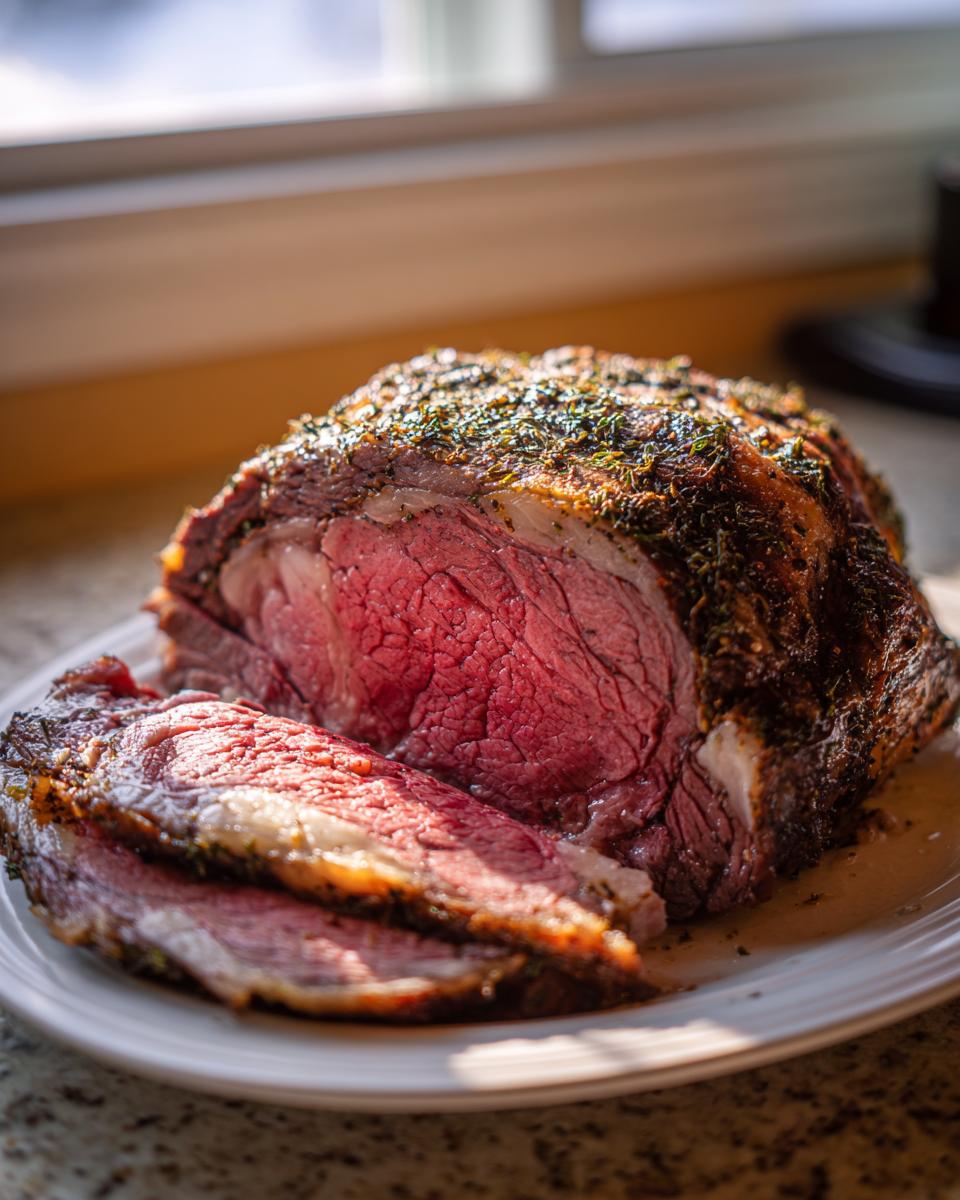
We are aiming for 125 to 130 degrees Fahrenheit for medium-rare, which is my personal recommendation for maximum enjoyment. Here’s the pro tip, folks: Pull the roast out when the thermometer reads about 5 degrees *below* your target temperature. It keeps cooking on the counter, which we call carryover cooking, and it ensures those juices settle perfectly. If you pull it out hot, all those lovely juices decide to run out onto the cutting board instead of staying in the meat! After resting, you’ll have the perfect roast beef centerpiece. Remember to check out my guide on roast chicken for more simple oven timing tricks!
Tips for the Perfect Roast Beef: Secrets to a Juicy Prime Rib Recipe
Even with all the right steps, sometimes we just need that little extra nudge to turn a great roast into a legendary one! These little secrets are scribbled on the side of my original index card, and they make all the difference in achieving that unbelievably juicy prime rib. Trust me, these won’t complicate things; they just guarantee deliciousness!
First off, always try to use a bone-in roast if you can swing it. The bone is a fantastic insulator! It shields the meat right next to it, helping you get a more even cook from edge to edge. It’s nature’s built-in temperature buffer, protecting the meat from overcooking while the rest of the roast catches up.
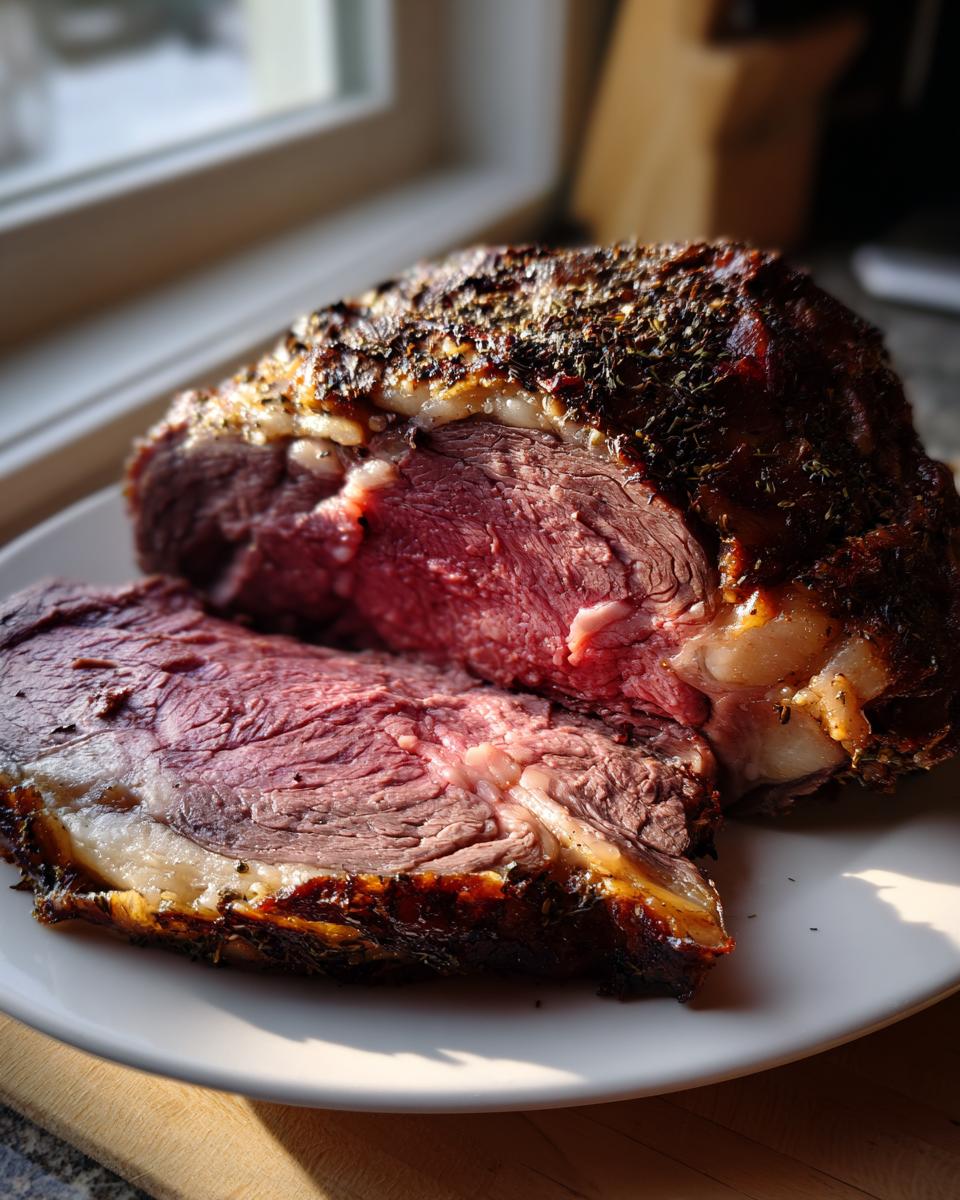
Now, if you’re feeling brave and want that extra textural crunch for your crust, you can carefully use the broiler at the end. After the roast has rested and you’re ready to serve (or just before), pop it under the broiler for maybe two or three minutes. You have to watch it like a hawk, though! We want deep color, not charcoal, right? This gives almost a restaurant-style prime rib crunch.
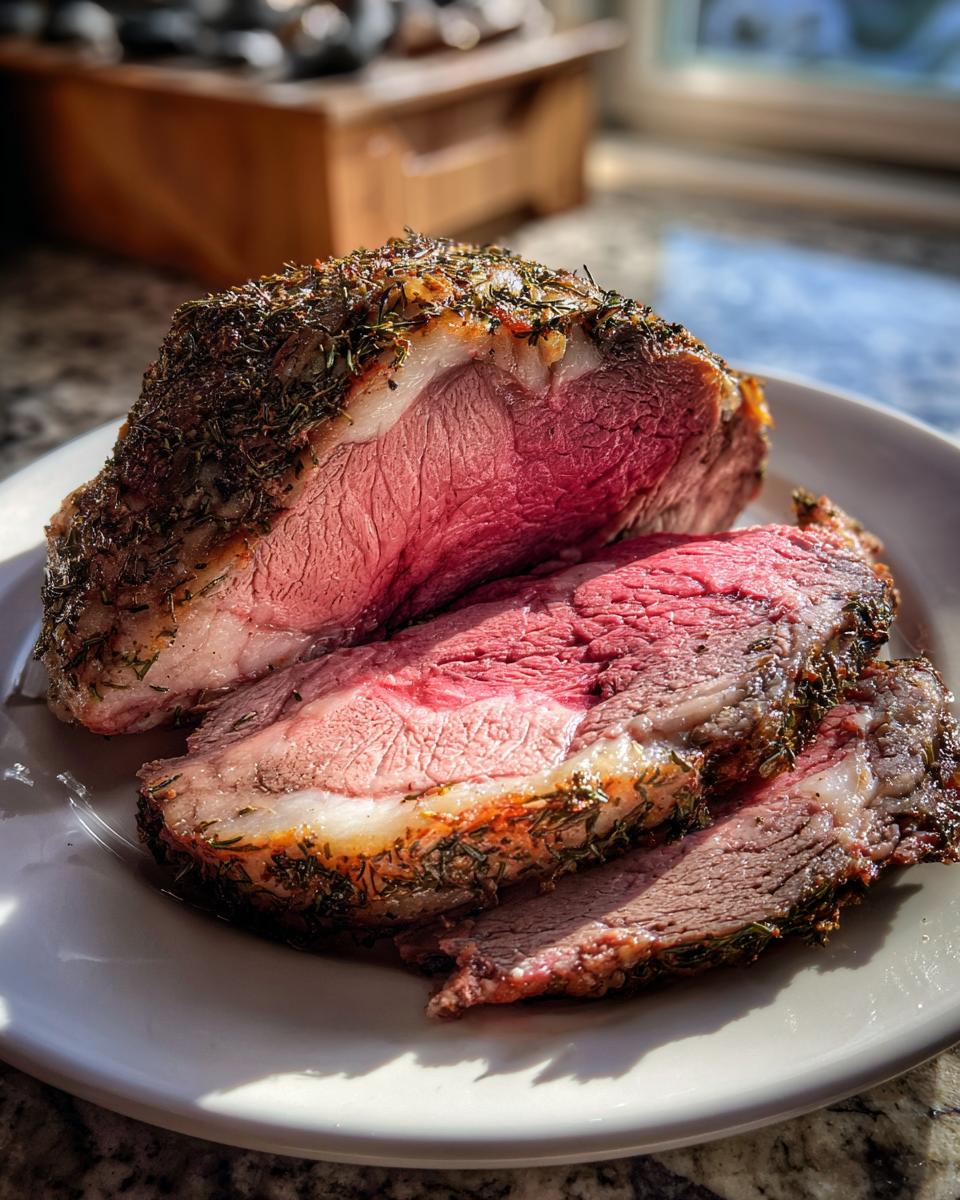
My biggest bonus tip for flavor impact, which really relates to any beef roast for holidays, is this: Don’t be timid with your simple prime rib seasoning! When you rub that herb mixture on the outside, use more than you think you need. The outside layer is where all the intense flavor lives before you slice in. A super-generous coating ensures every forkful has that bright pop of rosemary and garlic. It’s this level of care that turns a meal into the memorable impressive main course everyone talks about!
Serving Suggestions for Your Impressive Main Course
A roast this grand deserves the perfect supporting cast! When you pull that perfectly cooked beef out of the oven, the next question is always, “What goes with it?” You don’t need to serve a ton of complicated sides; simplicity really honors the flavor of the beef, making it the undeniable impressive main course.
For me, there are two non-negotiables when I serve this. First, you absolutely need something creamy and soft to soak up the juices—or, as I call them, the *natural gravy*! My foolproof creamy mashed potatoes are my go-to every single time. They are rich, buttery, and hold onto every bit of that glorious beef flavor.
Second, you need a little sharp green element to cut through the richness of the meat and the creaminess of the potatoes. My favorite way to do this is with honey-glazed Brussels sprouts. The little bit of tang from the glaze is just exquisite against the savory herb crust. They roast up beautifully alongside the beef, honestly!
If you’re looking for a classic gravy, I usually just whip up a quick slurry with the drippings left in the bottom of the roasting pan. You don’t need a long simmer when the meat has rested properly, as the juices are already concentrated gold. Keep the sides hearty but straightforward, and let that beautiful roast shine!
Storage and Reheating Instructions for Leftover Prime Rib Recipe
Oh my goodness, if you happen to have leftovers of the best prime rib recipe—which honestly, sometimes happens only if you cook a massive roast—you have to treat those leftovers right! They hold so much flavor, and we certainly don’t want to dry them out on the second round. The key to keeping this delicious meat happy is quick storage and gentle reheating.
First rule for any big roast, just like with any delicious meal like my leftover turkey soup recipe—you have to handle safety correctly. Make sure any remaining roast is thinly sliced and put into an airtight container within two hours of coming off the counter. Don’t let that precious beef hang around at room temperature!
When you’re ready to enjoy it again, whether that’s the next day or two later, remember that heat is the enemy of moisture retention. Don’t just microwave big chunks! That steam will cook the meat further and make it tough.
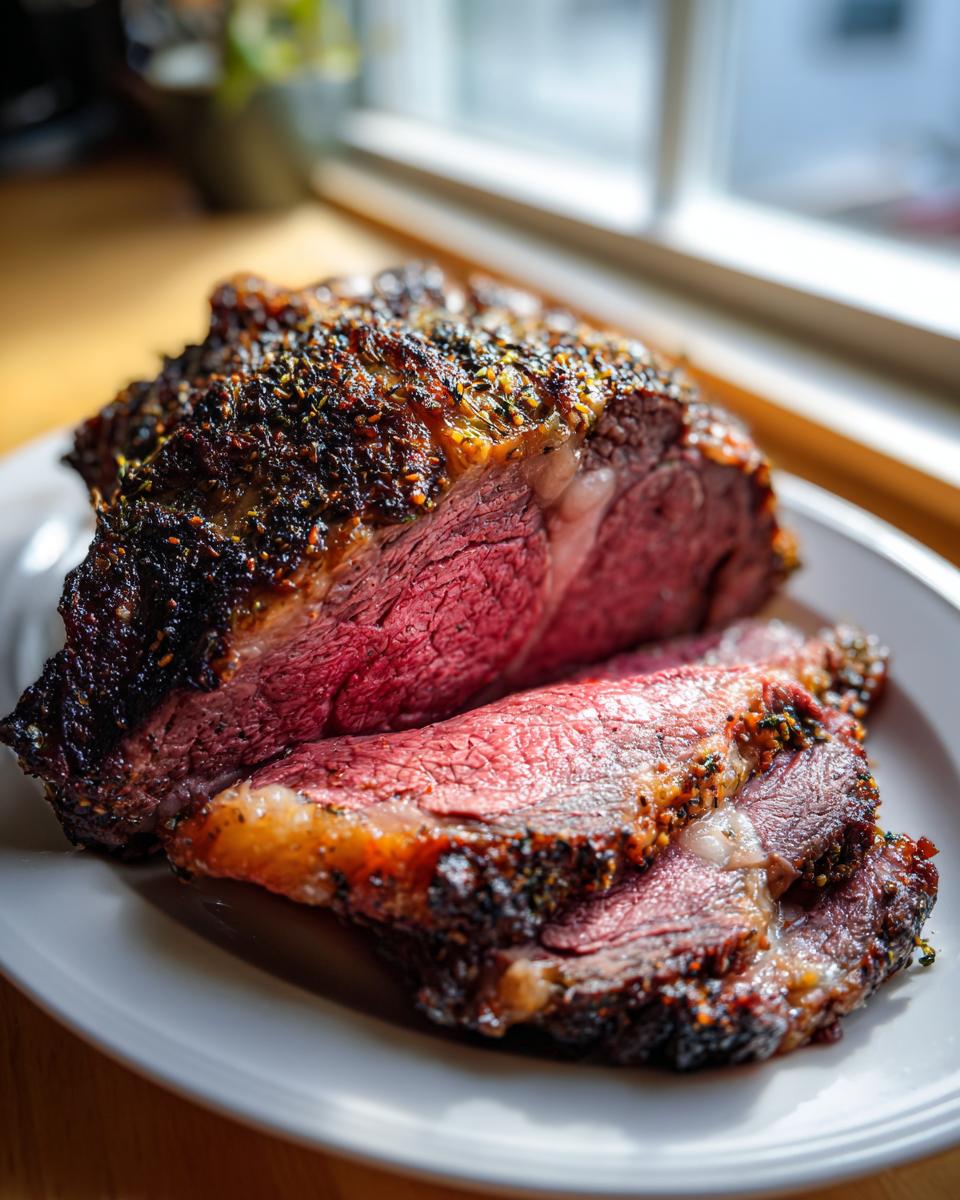
Here’s what I do for the dreamiest leftovers:
- Slice Thinly: Always slice the leftovers as thinly as you can manage across the grain. Very thin slices reabsorb moisture much better than thick slabs.
- Use The Drippings: If you saved any of those lovely pan drippings (and I hope you did!), heat them gently on the stove until they are just warm but definitely not boiling.
- Gentle Warming: Add the thin slices of leftover prime rib directly into that warm liquid just to coast for maybe 30 seconds, or until they feel evenly warmed through. You aren’t trying to cook it again; you’re just bringing it up to temperature.
If you didn’t save the drippings, a little beef broth warmed up works just as well! This gentle warming method ensures your leftovers taste almost as tender and juicy as the first night. They make amazing sandwiches or additions to scrambled eggs the next morning, too!
Frequently Asked Questions About This Prime Rib Recipe
I get so many questions when people are trying this incredible roast for the first time! It’s totally normal to feel a little cautious when dealing with such a gorgeous piece of meat. Here are a few things I hear constantly that I hope help you feel super confident tackling this prime rib recipe.
For starters, many people ask: Can I use a boneless roast? Yes, you absolutely can, but know that you’ll need to adjust your cooking time slightly. In my experience, the bone acts like a shield, insulating the meat closer to the bone and helping everything cook more evenly. With a boneless roast, you might need to drop that heat down sooner or monitor the temperature even more closely. Keep that meat thermometer handy!
Another biggie: What is the best internal temperature for medium-rare? For me, medium-rare is the absolute sweet spot for the best flavor and texture. We are looking for 125 to 130 degrees Fahrenheit when done, but remember the huge tip: pull it out when it hits 120-125°F because of carryover cooking! This is crucial for achieving that melt-in-your-mouth result.
And finally, you can totally make the seasoning blend ahead of time! It keeps beautifully in an airtight container in your pantry. This is a lifesaver for stress-free holiday roast recipes. Just mix up your salt, pepper, and herbs, and you’re ready to go when it’s time to prep the beef. I also have some great tips for a festive apple cider cocktail if you need a non-alcoholic pairing!
How long should I rest my prime rib recipe roast?
This is the one step I absolutely demand people do not skip! You must let your prime rib recipe roast rest for a minimum of 20 minutes, but 30 minutes is even better if your roast is large. Why? Because when the meat finishes cooking, all those hungry juices are rushing to the center of the roast, trying to escape!
If you slice into it right away—Oops!—all that delicious moisture spills out onto your cutting board, and you end up with a drier roast overall. Resting allows those juices to redistribute evenly throughout the muscle fibers. Think of it like letting steam escape from a pressure cooker gently. When you give it that 20 to 30 minutes under foil, those juices settle back in, guaranteeing you get that promised juicy prime rib in every single slice. It’s truly non-negotiable for a perfect roast!
Making This Prime Rib Recipe Part of Your Holiday Roast Recipes
If there’s one beef roast for holidays that truly makes the entire gathering feel instantly special, it’s a perfectly cooked prime rib. This recipe is exactly the kind of centerpiece you want when you’re aiming for those iconic Christmas dinner ideas that people talk about for years afterward. We’re moving past just making dinner; we’re crafting memories around this big, beautiful roast!
Seeing it come out of the oven, all crusted and glorious, is just the best feeling. It’s truly one of the most impressive main courses you can serve, yet we’ve made the steps so accessible here that you can actually enjoy the party instead of stressing over temperatures. I hope you try this out for your next big event!
For me, the best part of any holiday meal isn’t just the perfectly cooked meat, but the feeling it creates. Remember that you can always whip up something festive to go with it, like my absolutely essential non-alcoholic Christmas punch recipe. It’s all about gathering people around good food.
This might be my favorite way to serve beef, and if you want some extra inspiration for wowing your guests, you can check out how the team over at Kalejunkie preps their roast too! But honestly? Just trust the seasoning and the two-stage oven method we covered. Go ahead, make this dish your signature; you’ve got this. Happy cooking!
PrintThe Ultimate Easy Prime Rib Recipe for a Melt-In-Your-Mouth Roast
Create a show-stopping, tender, and juicy prime rib roast for your next holiday or special family gathering using this simple, foolproof oven method. This recipe delivers restaurant-quality results every time.
- Prep Time: 20 min
- Cook Time: 1 hour 45 min
- Total Time: 2 hours 5 min
- Yield: 6-8 servings 1x
- Category: Main Course
- Method: Oven Roasting
- Cuisine: American
- Diet: Low Fat
Ingredients
- 1 (5-7 pound) bone-in prime rib roast (about 3 ribs)
- 2 tablespoons kosher salt
- 1 tablespoon black pepper
- 1 tablespoon garlic powder
- 1 tablespoon onion powder
- 1 tablespoon dried rosemary
- 1 tablespoon dried thyme
- 1/4 cup olive oil
- 4 cloves garlic, minced
Instructions
- Remove the prime rib roast from the refrigerator 2 to 3 hours before cooking to allow it to come to room temperature. This helps the roast cook evenly.
- Preheat your oven to 450 degrees Fahrenheit.
- In a small bowl, combine the kosher salt, black pepper, garlic powder, onion powder, dried rosemary, and dried thyme to create the herb crust seasoning.
- Rub the entire surface of the prime rib roast with the olive oil.
- Press the herb crust seasoning mixture firmly onto all sides of the roast. Rub the minced garlic over the roast as well.
- Place the roast, fat-side up, in a roasting pan fitted with a rack.
- Place the roast in the preheated 450 degree Fahrenheit oven and roast for 15 minutes. This high heat creates a flavorful crust.
- Reduce the oven temperature to 325 degrees Fahrenheit without opening the oven door.
- Continue roasting until the internal temperature reaches your desired doneness. Use a meat thermometer inserted into the thickest part of the roast, avoiding the bone. For medium-rare (recommended), aim for 125 to 130 degrees Fahrenheit.
- Remove the roast from the oven when it is 5 degrees below your target temperature, as it will continue to cook while resting.
- Tent the roast loosely with aluminum foil and let it rest on the counter for at least 20 to 30 minutes before slicing. This resting period is key for a juicy prime rib.
- Slice the roast against the grain and serve immediately.
Notes
- For a bone-in roast, the bone acts as insulation, helping the meat cook more evenly.
- If you prefer a crispier crust, you can briefly place the roast under the broiler for the last 2-3 minutes, watching carefully to prevent burning.
- Use a reliable meat thermometer; temperature is the most important factor for perfect results.
Nutrition
- Serving Size: 6 oz cooked
- Calories: 450
- Sugar: 0
- Sodium: 450
- Fat: 30
- Saturated Fat: 12
- Unsaturated Fat: 18
- Trans Fat: 1
- Carbohydrates: 0
- Fiber: 0
- Protein: 40
- Cholesterol: 140