

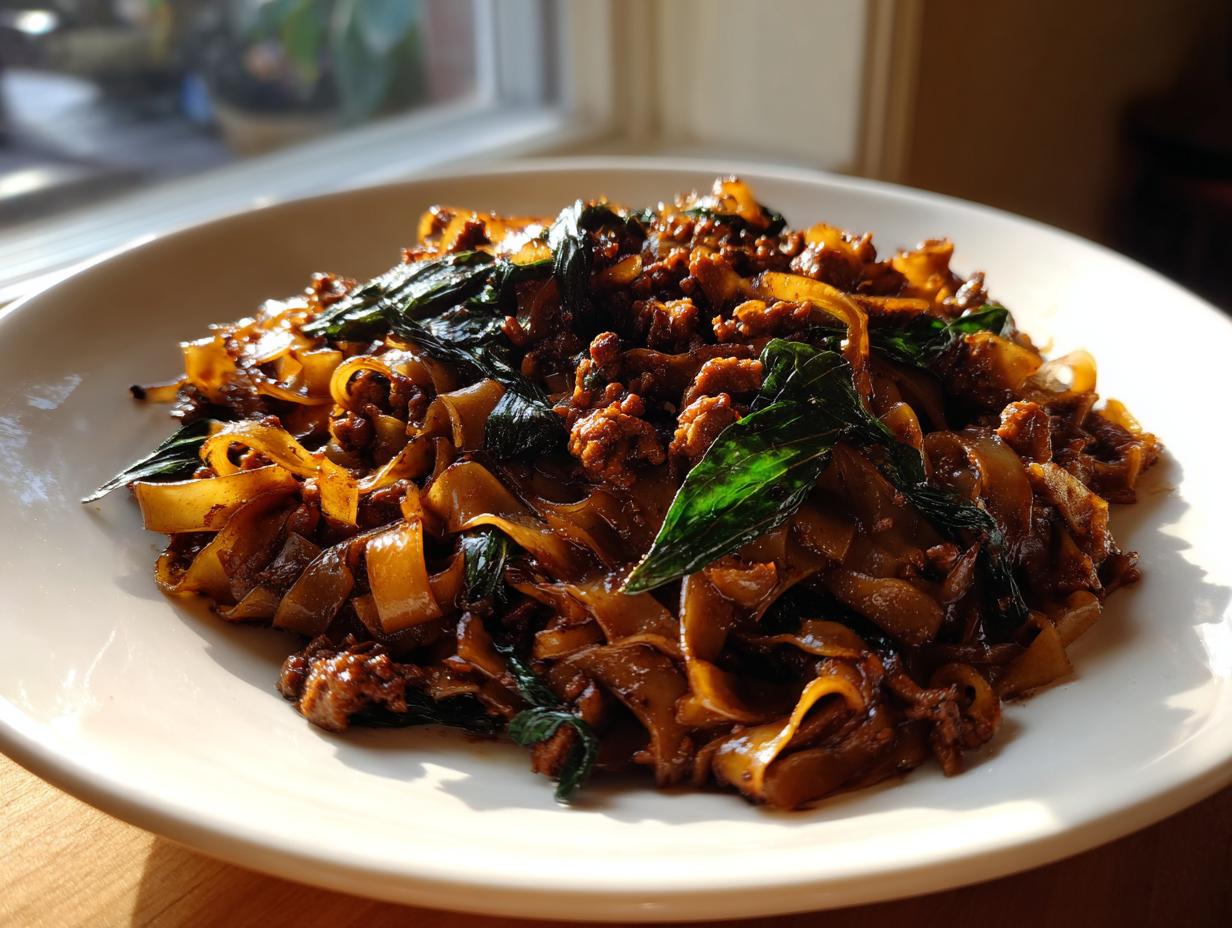
Do you ever get that sudden, intense craving for something fiery, savory, and packed with that unmistakable smoky aroma you only get from a bustling Thai street food stall? Trust me, I know that feeling! Planning meticulous corporate events taught me precision, but my real joy comes from bringing that kind of exciting, high-flavor experience right into your home kitchen. Forget bland takeout! This recipe for street style thai drunken noodles (Pad Kee Mao) is your ticket to that genuine flavor. We’re going to focus on a few simple, proven techniques—especially how to coax a little ‘wok hei’ magic out of your stovetop—so you can whip up something truly wonderful tonight. You don’t need to be a professional chef to nail this!
If you enjoyed the fresh flavors in my Thai Chicken Salad with Peanut Dressing, you are absolutely ready for the heat of this noodle dish. Let’s slow down, grab those ingredients, and create some happy homemade bliss!
- Why This Street Style Thai Drunken Noodles Recipe Delivers Authentic Flavor
- Gathering Ingredients for Genuine Pad Kee Mao
- Step-by-Step: How to Make Drunken Noodles Like a Street Vendor
- Tips for Perfect Street Style Thai Drunken Noodles Every Time
- Serving Suggestions for Your Spicy Asian Noodle Stir Fry
- Storage and Reheating for Takeout Style Thai Noodles at Home
- Frequently Asked Questions About Street Style Thai Drunken Noodles
- Nutritional Estimates for Street Style Thai Drunken Noodles
- Share Your Genuine Pad Kee Mao Creations!
Why This Street Style Thai Drunken Noodles Recipe Delivers Authentic Flavor
Let’s be honest, a lot of recipes online end up tasting way too mild or just… off. That’s not what we’re doing here! I developed this method specifically to shut down the bland takeout cravings for good. We are focusing on three things that make Pad Kee Mao sing:
- The powerful, slightly peppery punch of true Thai holy basil.
- The deep, complex savory notes from the sauce blend.
- The essential, high-heat cooking environment that creates that incredible texture.
If you’re looking for huge flavor without a huge time commitment, check out the rest of my easy weeknight dinners collection, but stick with me here—this noodle magic is worth the focus!
Achieving Wok Hei at Home
That incredible, slightly charred, smoky flavor you taste at street carts is called *wok hei*, and people think you need a professional commercial burner to get it. Nope! Don’t worry if your home stove isn’t a roaring inferno. I’m going to show you the tricks in the next section that maximize your heat exposure. It’s all about the technique and timing, not just the flame size. We’ll get that depth of flavor; I promise!
Gathering Ingredients for Genuine Pad Kee Mao
Okay, this is where we separate the good noodles from the *great* noodles. For genuine street style thai drunken noodles, the ingredients matter a lot, especially when it comes to getting that Authentic Thai Basil Flavor. We aren’t aiming for something bland here, so pay close attention to the noodles and the herb!
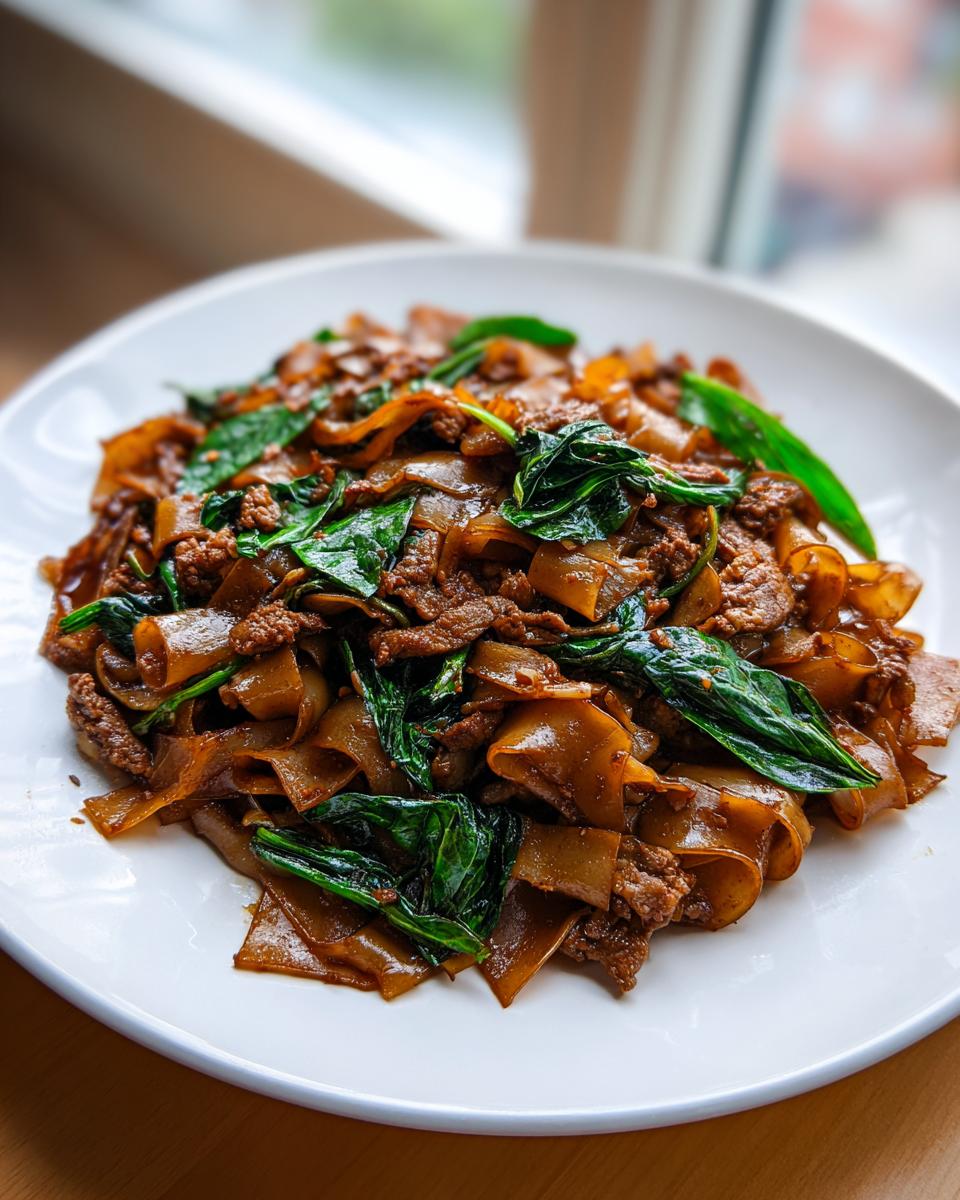
When you shop, look specifically for wide, fresh rice noodles, often labeled Sen Yai. If you can only find dried, that’s fine—just make sure they aren’t the thin vermicelli kind; we need those wide, chewy ribbons. For the sauce base, make sure you grab some dark sweet soy sauce; it adds that gorgeous color and molasses depth that regular soy sauce just won’t give you. You can find inspiration for other quick meals in my easy weeknight dinners list, but for this recipe, the specifics really count.
Ingredient Notes and Substitutions for Street Style Thai Drunken Noodles
First, those noodles! If you buy fresh, they come clumped together. You need to gently stretch them apart by hand—seriously, don’t blast them under hot water or they get mushy! Toss them lightly with a splash of regular soy sauce and oil right away to keep them ready for the wok. If you’re using dried, cook them just shy of done, drain them right away, and toss them with a tiny slick of oil too.
The most critical herb is the holy basil. It has a sharper, spicier profile than sweet basil. If you absolutely cannot find Thai holy basil, you can use Thai sweet basil, but please, please don’t substitute Italian basil—it changes the entire character of the dish, and we’re aiming for genuine flavor here!
Step-by-Step: How to Make Drunken Noodles Like a Street Vendor
This is where the magic happens, friend! We are mimicking the speed and intensity of a street cart, which means you need everything prepped and ready beside your stove before you even think about turning on the burner. Seriously, once you start, it goes fast!
Prepping Noodles and Sauce for Spicy Thai Rice Noodles
First, let’s deal with those noodles. If you have the fresh, wide ribbons (Sen Yai), gently pull them apart by hand until they separate nicely. Toss them right away with just one tablespoon of regular, light soy sauce. This stops them from clumping into one giant sticky mass when they hit the heat. If you’re using dried noodles, just cook them until they are a hair under what the package says, drain them right away, and coat them lightly with oil. For more quick noodle inspiration, check out my quick fried noodles recipe!
Next up, the sauce. In a tiny bowl—and I mean tiny, because there’s no time to measure while you’re tossing—whisk together your oyster sauce, that dark sweet soy sauce, fish sauce, and sugar. Mix it until that sugar dissolves completely. Wipe down your cutting board, because we are moving onto the fire!
The High-Heat Stir-Fry Technique for Street Food Noodles Recipe
Grab your wok or your biggest, heaviest skillet. You need to put this over the absolute highest heat your home stove can manage and let it get screaming hot—it should literally start smoking slightly. That’s the sign you need for that incredible, smoky base flavor that makes these street style thai drunken noodles so addictive.
Toss in your tablespoon of oil. Once it’s shimmering like crazy, drop in your minced garlic and chilies. Stir them constantly for maybe ten seconds—don’t let that garlic burn! Now, throw in your protein—chicken or prawns—and cook until they are almost done. Add your onion and peppers next and give it a fast, hard toss for about sixty seconds. They should stay vibrant and a bit crunchy.
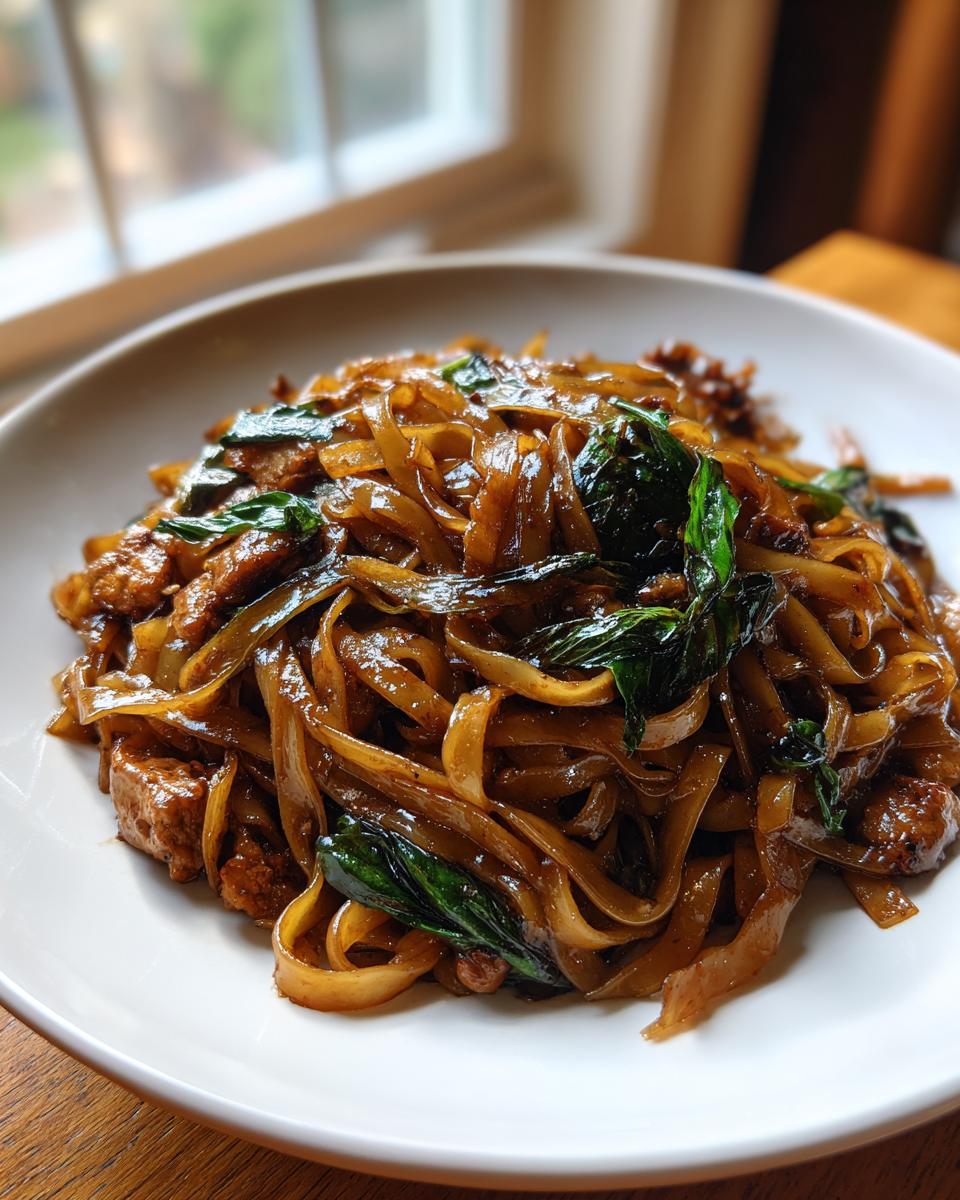
Now listen, this is important: Push everything to one side of the wok. Pour that pre-mixed sauce into the empty space on the hot metal. Let it bubble hard for just a second, then dump in all those prepared noodles. Toss, toss, toss! You want to be aggressive here, moving the noodles constantly so they touch that super-hot metal. This aggressive movement is what builds the *wok hei*. Cook for a minute or two max, just until they look glossy and perfectly coated.
Tips for Perfect Street Style Thai Drunken Noodles Every Time
We’ve done the hard work of getting the flavor right, but now let’s talk about the process. Sometimes, even with the right ingredients, timing and technique can trip us up. Remember how I always say cooking should bring you joy, not stress? These tips are meant to make sure your Pad Kee Mao comes out perfect, preserving that amazing takeout quality you’re looking for. If you’re looking for more quick-win recipes that deliver huge flavor, you should definitely browse my easy Thai stir-fry recipes!
Managing Heat and Batch Cooking
The biggest hurdle at home is keeping that heat up. Street vendors use powerful burners that instantly vaporize moisture, which gives you that smoky char. If you try to cook the full amount of noodles all at once in a standard home skillet, the temperature drops dramatically, and you end up steaming your ingredients instead of stir-frying them! This ruins the texture we are aiming for.
My best advice? Cook this dish in half batches, or even smaller if your stove is weaker. Yes, it means an extra minute of cleanup, but it guarantees that the wok stays scorching hot when you add the noodles. That high heat contact is crucial for achieving firm, chewy noodles instead of soggy ones. You’ll taste the difference immediately!
Balancing Spice Levels Appropriately
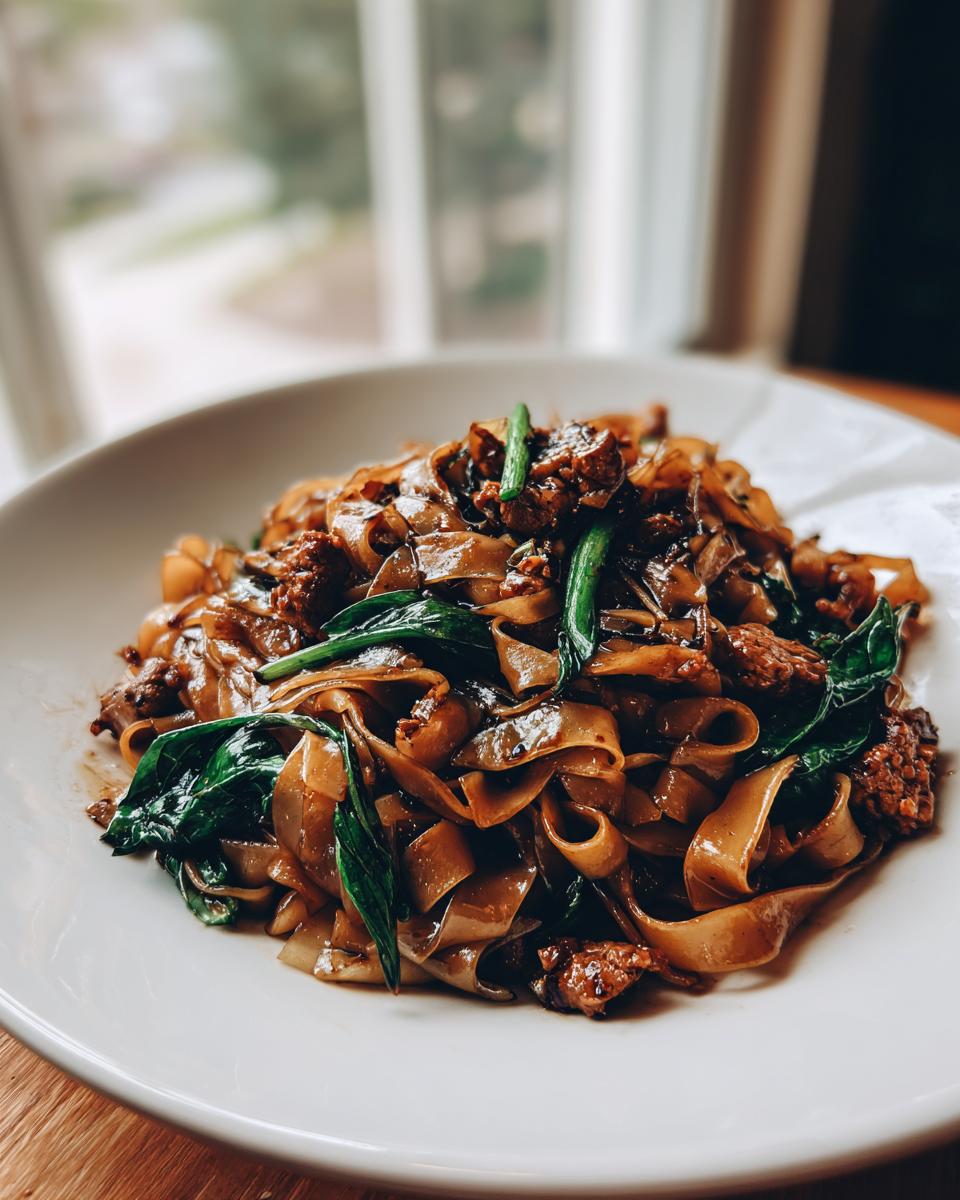
Pad Kee Mao is meant to be spicy—that’s the whole point of the ‘drunken’ legend! But we have to be realistic; not everyone wants to cry over their dinner. The recipe calls for 2 to 4 Thai bird’s eye chilies, and that range is there for a reason. If you are sensitive to heat, or if you’re serving anyone who prefers milder food, please adjust!
When you slice your chilies, you can remove the seeds and white membrane entirely. That’s where about 70% of the intense heat lives! Removing those parts gives you the lovely aroma and flavor of the chili without blowing out your palate. Alternatively, just use one chili, slice it thinly, and toss it in briefly with the garlic—taste before you commit to using more!
Serving Suggestions for Your Spicy Asian Noodle Stir Fry
Wow, you just conquered genuine Pad Kee Mao! That dish is intense and powerful, so it loves a few fresh accompaniments to cut through the richness and heat. You don’t need a lot of fuss here; the beauty of street food is that it’s perfect as is, but a little freshness on the side makes it a complete showstopper at home.
Honestly, my favorite way to serve this is dirt simple. You absolutely must have lime wedges on the side. Squeezing fresh lime juice right over the hot noodles before the first bite brightens up every single savory, spicy note in that sauce. It’s the secret finishing touch that restaurant chefs always use!
For some cooling texture, which is essential when dealing with those bird’s eye chilies, I always keep a small bowl of fresh, crisp cucumber slices nearby. They are so refreshing against the warmth of the noodles. If you’re looking for something a little more fun to sip on while you enjoy this spicy treat, I highly recommend trying out my Maple Bourbon Cocktail Recipe—the warm spice in that drink actually pairs surprisingly well with the chili heat!
Keep the sides light, keep them cool, and let those incredible Thai Drunken Noodle flavors be the star of the show. You earned it after managing that high heat!
Storage and Reheating for Takeout Style Thai Noodles at Home
You made such a fantastic batch of street style thai drunken noodles that you actually have leftovers? That’s impressive, because usually my family cleans the wok clean! But if you do have some deliciousness left, the way you store and reheat it really matters if you want to preserve that wonderful chewy texture we worked so hard to achieve.
For the very best results, these stir-fried noodles should be eaten the day you make them. The sauce can start to soak into the wide rice noodles overnight, making them a little softer than we want. If you must save them, get them into an airtight container as soon as they cool down slightly. They’ll only keep well in the fridge for about one day, tops.
Now, for reheating—this is critically important! Throwing these noodles in the microwave is a fate worse than blandness. The microwave steams them, turning them soft and gluey, completely ruining the al dente texture. Don’t do it!
Instead, we want to mimic that high heat stir-fry again, just for a moment. Take the leftovers out, separate them gently with a fork, and heat up your wok or skillet again over medium-high heat. Add just half a teaspoon of fresh oil or maybe a splash of water—you don’t want to drown them. Toss them quickly, stirring constantly, until they are piping hot all the way through. This fast, dry heat wakes up the noodles and gives them back some of that fantastic chewiness.
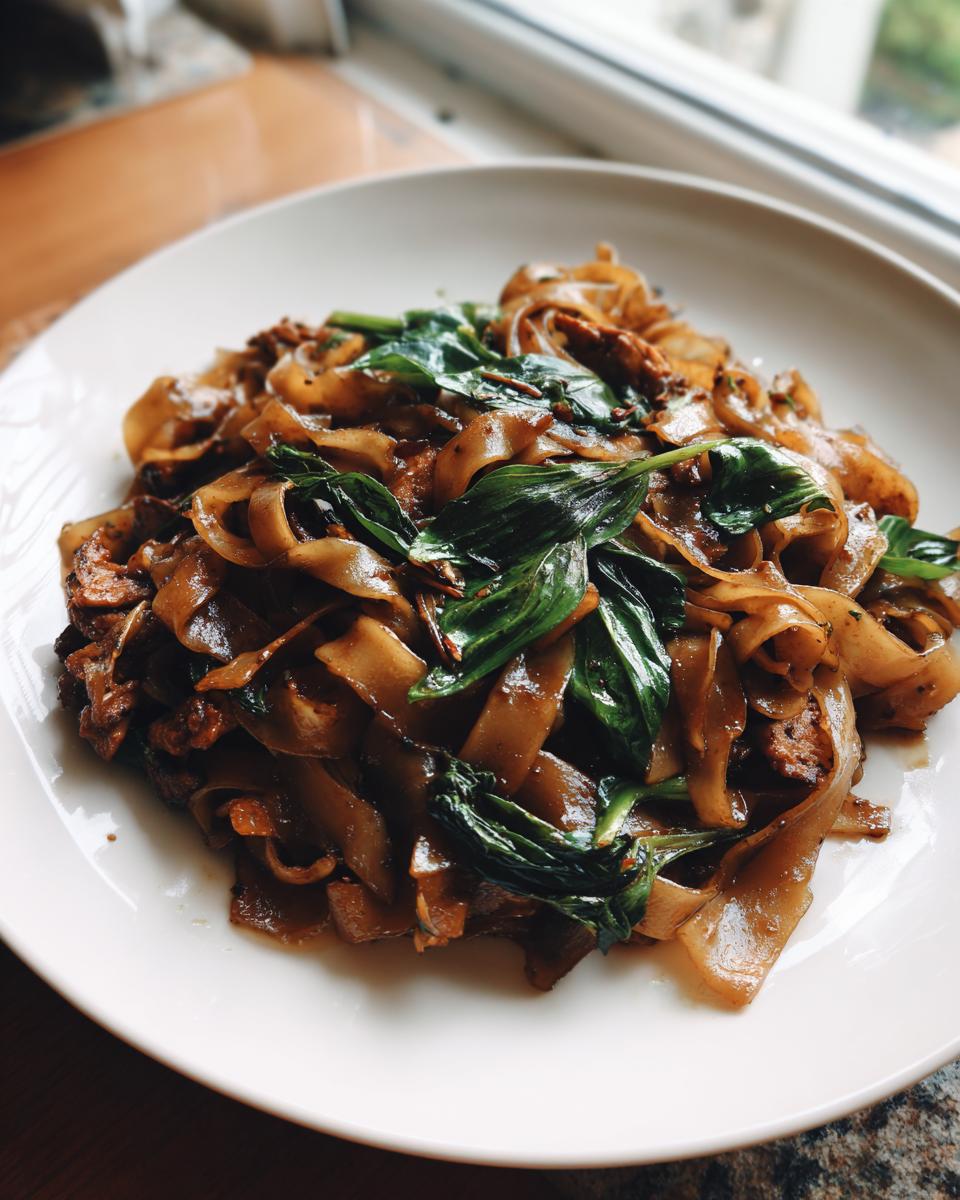
If you’re planning ahead for more quick Thai dinner ideas later in the week, remember that fresh noodles are hard to revive. For future batches, you might want to slightly undercook the noodles initially, knowing they will soften a bit more during the first reheating session. It’s a little trick I learned when prepping meals ahead of time. For more tips on making weeknight cooking less stressful, visit my easy weeknight dinners section!
Frequently Asked Questions About Street Style Thai Drunken Noodles
I know when you’re trying to nail an authentic flavor, you probably have a few questions about substitutions or technique tweaks. That’s totally normal! I want you to feel confident stepping into the kitchen, even if you’re missing one specific thing. Baking taught me that flexibility within a good framework is key, and the same goes for these powerful stir-fries. If you’re looking for quicker recipes for those nights when you just can’t wait, browse my easy weeknight dinners!
What is the difference between Thai Basil and Holy Basil in Pad Kee Mao Authentic?
This is such a good question, and it’s one of the biggest factors in whether your noodles taste ‘straight from Bangkok’ or just like a generic stir-fry! Thai Basil (sometimes called sweet basil) has a definite anise or licorice note. It’s lovely, but it’s not what’s traditionally used here. Holy Basil has much more going on—it’s assertive, peppery, and slightly clove-like. It holds up better to the high heat without wilting into nothingness visually. While Thai sweet basil is a fine *substitute* in a pinch, the holy basil is absolutely what gives genuine Pad Kee Mao its signature aromatic punch.
Can I use a skillet instead of a wok for this Thai Drunken Noodle Recipe?
Yes, you certainly can! Please don’t let not owning a huge, curved wok stop you from making amazing street style thai drunken noodles. The real goal isn’t the shape of the pan; the goal is maximizing heat transfer and using the surface area to toss quickly. So, if you use a heavy-bottomed skillet—cast iron is fantastic, by the way—you just need to make sure it’s smoking hot before the oil goes in. You will likely have to cook in smaller batches, as I mentioned before, just to keep that temperature from crashing down. Aim for sizzle, not steam!
How do I make these Spicy Thai Rice Noodles less spicy?
Handling the chilies is easy to control! The heat in Thai bird’s eye chilies is concentrated right in the seeds and the white membrane inside. If you want all that beautiful fiery flavor and aroma for your spicy thai rice noodles without the intense burn, slice the chilies lengthwise and use a tiny spoon to scrape out all the white pith and seeds before you chop the rest of the red flesh. If you take all the seeds out, you cut the heat by about two-thirds, giving you a much gentler kick while still delivering that authentic, vibrant spice level.
Nutritional Estimates for Street Style Thai Drunken Noodles
Now, I know we’re focused purely on flavor and that addictive heat here, but since we’re putting together a truly thoughtful recipe, I wanted to give you a ballpark idea of what you’re looking at nutritionally for a generous serving. Because we are cooking this so quickly and using fresh ingredients, we avoid a ton of heavy, greasy oils often found in takeout versions!
Please remember, just like with my baking recipes, these numbers are helpful guides, not strict lab results! They are based on using chicken breast and the ingredients listed in the recipe above. If you swap out the protein or use significantly more dark sweet soy sauce, the numbers will change. But this gives you a baseline:
- Serving Size: 1 serving
- Calories: Around 550
- Protein: A solid 28g! That comes from the chicken or prawns.
- Fat: About 10g total. We use just enough oil to get that hot sear.
- Carbohydrates: Roughly 90g (mostly coming from those fantastic wide rice noodles).
- Sugar: Low, about 12g, which is far less than most commercial sauces contain.
- Sodium: This one is higher, clocking in around 1100mg, mainly due to the fish sauce and soy sauces—those are essential for Genuine Pad Kee Mao flavor, so be mindful if you are counting sodium strictly!
Think of this as a flavor powerhouse of a dinner! It’s fast, it’s incredibly satisfying, and it comes together in under 30 minutes. You’ve earned every delicious, spicy bite!
Share Your Genuine Pad Kee Mao Creations!
Wow, you did it! You took on the challenge of high heat, chased down that authentic holy basil, and cooked up a batch of noodles that tastes just like the best street vendors! That sense of accomplishment is what baking—and good cooking—is all about. Now I’m so excited to see what you made!
I absolutely love hearing that my recipes bring a little bit of homemade bliss into your busy life. If you followed these steps and finally found that perfect balance of smoky, savory, and spicy flavor in your own kitchen, please let me know! Drop a star rating below—was it the wok-hei that made the difference for you? Or maybe you found a great local source for those wide rice noodles?
Leave a comment sharing your success story, especially if you managed to get that *wok hei* flavor profile we talked about. That feedback helps other home cooks feel confident stepping up to a recipe like this. And if you want to learn more about me and why I believe in simple, achievable joy in the kitchen, you can always pop over to my About Page!
Happy cooking, and I can’t wait to hear rave reviews about your Genuine Pad Kee Mao!
PrintAuthentic Street Style Drunken Noodles (Pad Kee Mao)
Make genuine, spicy Thai Drunken Noodles at home. This recipe focuses on achieving the smoky flavor and authentic taste of street food using holy basil and wide rice noodles.
- Prep Time: 15 min
- Cook Time: 10 min
- Total Time: 25 min
- Yield: 2 servings 1x
- Category: Dinner
- Method: Stir-Frying
- Cuisine: Thai
- Diet: Low Lactose
Ingredients
- 1 pound wide fresh rice noodles (Sen Yai)
- 1 tablespoon soy sauce (for coating noodles)
- 1 tablespoon vegetable oil
- 8 ounces protein (prawns or sliced chicken breast)
- 2 cloves garlic, minced
- 2–4 Thai bird’s eye chilies, sliced (adjust to your spice preference)
- 1/2 cup sliced onion
- 1/2 cup sliced bell pepper (any color)
- 1 cup holy basil leaves (Thai basil is a substitute if holy basil is unavailable)
- 1/4 cup chicken stock or water
- 1 tablespoon oyster sauce
- 1 tablespoon dark sweet soy sauce
- 1 teaspoon fish sauce
- 1 teaspoon sugar
Instructions
- Prepare the noodles: If using fresh noodles, gently separate them by hand. Toss them lightly with 1 tablespoon of soy sauce to prevent sticking. If using dried noodles, cook according to package directions until just tender, drain, and toss with a little oil.
- Prepare the sauce: In a small bowl, mix the oyster sauce, dark sweet soy sauce, fish sauce, and sugar. Set aside.
- Heat your wok: Place a wok or large skillet over the highest heat possible until it is smoking hot. This high heat is key for achieving wok hei.
- Stir-fry aromatics and protein: Add the vegetable oil. Once shimmering, add the minced garlic and sliced chilies. Stir-fry quickly for about 10 seconds until fragrant. Add your protein (prawns or chicken) and stir-fry until nearly cooked through.
- Add vegetables: Add the onion and bell pepper. Stir-fry for 1 minute until slightly softened but still crisp.
- Add noodles and sauce: Push the ingredients to one side of the wok. Add the prepared sauce mixture to the empty side of the wok and let it bubble for a few seconds. Immediately add the prepared rice noodles.
- Toss and finish: Toss everything together quickly and vigorously to coat the noodles evenly with the sauce. Cook for 1 to 2 minutes, moving the noodles constantly to expose them to the high heat for that smoky flavor.
- Add basil: Remove the wok from the heat. Stir in the chicken stock or water, and then immediately stir in the holy basil leaves until they just wilt.
- Serve immediately for the best texture and flavor.
Notes
- For the best street food flavor, use a gas stove on high heat or a powerful induction burner. If your home burner is weak, cook in smaller batches to maintain high heat.
- If you cannot find Thai holy basil, use Thai sweet basil, but know the flavor profile will be slightly different. Do not substitute with Italian basil.
- To balance the spice level, reduce the number of chilies used, or remove the seeds before slicing them.
Nutrition
- Serving Size: 1 serving
- Calories: 550
- Sugar: 12
- Sodium: 1100
- Fat: 10
- Saturated Fat: 2
- Unsaturated Fat: 8
- Trans Fat: 0
- Carbohydrates: 90
- Fiber: 4
- Protein: 28
- Cholesterol: 150