

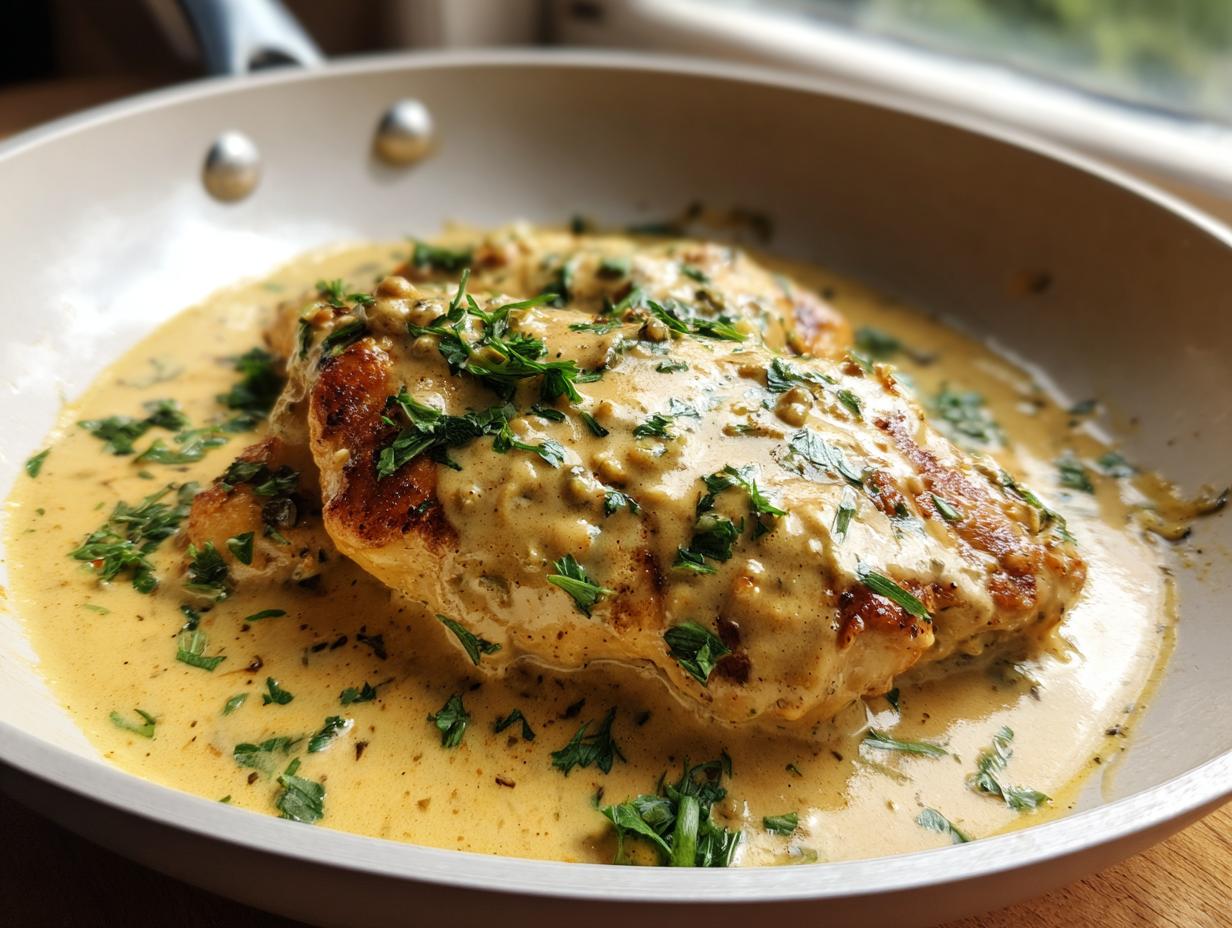
If you’re anything like me, you look at a busy Tuesday night and think, “I need something that tastes gourmet but takes less time than my commute home.” That is exactly where the Easy Creamy Dijon Chicken Skillet swoops in to save the day! Honestly, this dish is pure magic. We’re talking tender chicken breasts bathed in the most luxuriously rich, zesty sauce, and it all comes together in under 30 minutes flat. After spending years organizing massive corporate events, I know the value of efficiency, and my mission here at Bliss Batter is to bring that streamlined confidence to your kitchen. This isn’t a complicated simmer; it’s fast, flavorful, and proves that amazing homemade *dijon chicken* doesn’t need hours of effort. If you’re looking to make a weeknight dinner shine, check out the details on easy weeknight dinners!
- Why This Creamy Dijon Chicken Recipe is Your New Weeknight Star
- Gathering Ingredients for Your Dijon Chicken Skillet
- Step-by-Step Instructions for Easy Dijon Chicken
- Expert Tips for Perfect Dijon Chicken Every Time
- Ingredient Notes and Substitutions for Your Dijon Chicken
- Serving Suggestions for Your Creamy Dijon Chicken
- Storage and Reheating Instructions for Leftover Creamy Dijon Chicken
- Frequently Asked Questions About This Dijon Chicken Recipe
- Your Next Simple Dinner Idea
Why This Creamy Dijon Chicken Recipe is Your New Weeknight Star
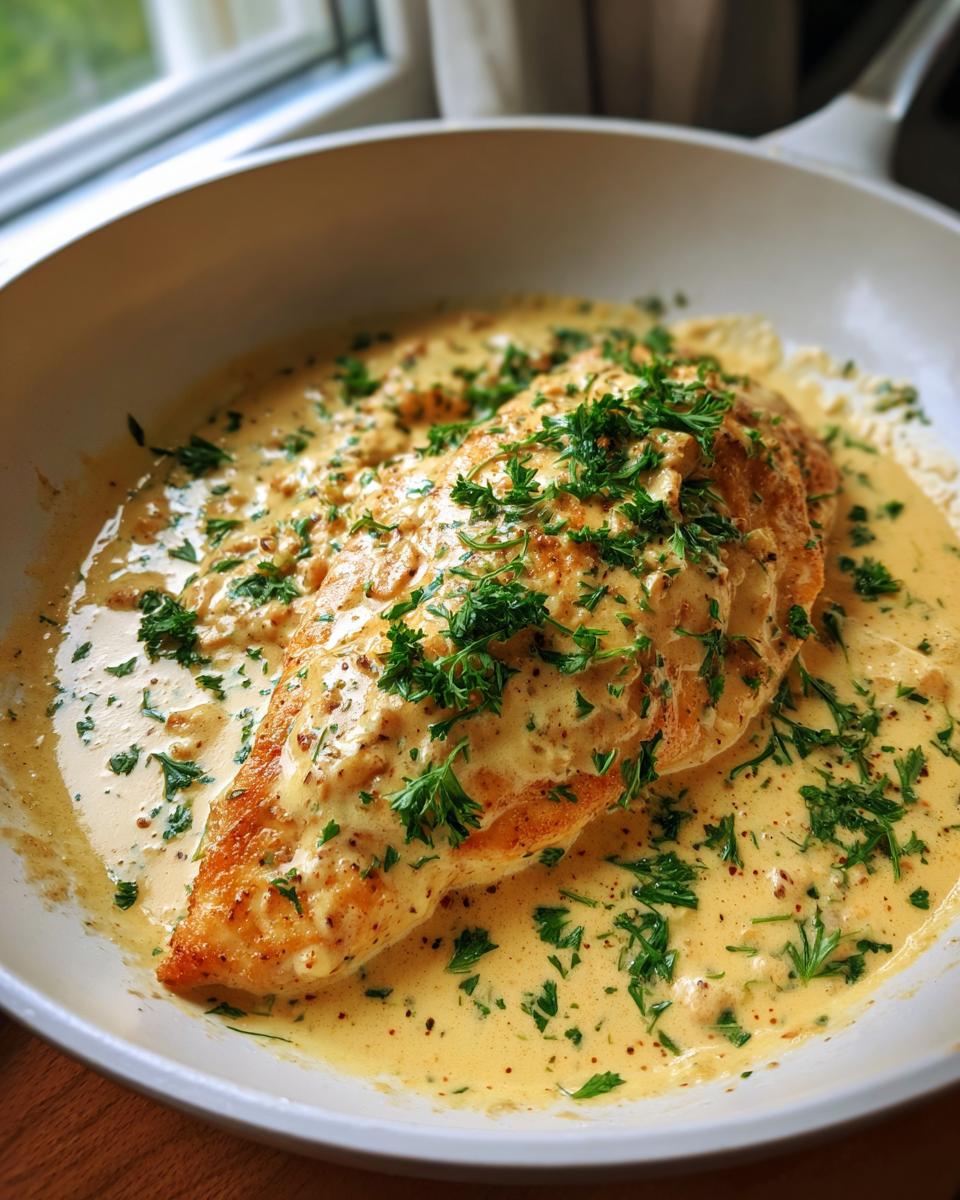
There are so many recipes out there, but I promise you, this creamy Dijon chicken skillet hits all the right notes when you’re short on time. When I developed this, I wanted something that felt cozy but took minimal cleanup. It’s become a staple because it’s just so reliable!
- It’s genuinely fast! Total time is usually under 30 minutes, making it faster than ordering takeout.
- Everything cooks right in one skillet—less scrubbing, more eating time!
- The flavor is the perfect blend: savory, tangy from that wonderful Dijon, and completely luscious because of the cream.
Gathering Ingredients for Your Dijon Chicken Skillet
Okay, let’s talk ingredients! Since this recipe moves so fast, we need everything prepped and ready to go before the pan even hits the heat. Seriously, don’t skip the prep! This is a skillet meal, and once you start searing that chicken, you won’t have time to mince an onion. For the best result, especially for that signature tangy flavor, make sure you grab a good quality Dijon mustard. Don’t grab the bright yellow stuff; the real, slightly grainy Dijon is what makes this *dijon chicken* shine in the best way!
Chicken and Aromatics
We are keeping the main proteins and base flavors super simple. You’ll need four good-sized boneless, skinless chicken breasts—make sure they’re relatively even so they cook at the same rate! I like slicing mine horizontally to make thinner cutlets, but leaving them whole is fine as long as you adjust your searing time.
- Four boneless, skinless chicken breasts
- One tablespoon of good olive oil
- One tablespoon of butter (don’t skimp here, flavor!)
- One small onion, finely minced—we want it basically melted into the sauce later.
- Two cloves of garlic, minced super fine—garlic burns fast, so have this ready!
Building the Creamy Dijon Sauce
This is where the flavor magic happens, folks! The sauce is what takes this from boring chicken to ‘Wow, what did you make?’ Remember I mentioned the Dijon? That’s your star player here, delivering that classic zesty punch we’re looking for.
- One cup of chicken broth—low sodium is usually better so we can control the salt later.
- Half a cup of heavy cream—this gives us that luxurious velvety texture we crave.
- A quarter cup of proper Dijon mustard. Yes, a quarter cup! It mellows beautifully when cooked.
- One teaspoon of dried thyme. It just always goes perfectly with chicken and mustard.
- Half a teaspoon of salt and a quarter teaspoon of black pepper (and more for seasoning the chicken directly).
Step-by-Step Instructions for Easy Dijon Chicken
Alright, let’s get cooking! Since this dish comes together so fast, organization is the name of the game here. Make sure you have your cutting board cleared and your spices measured before that skillet gets hot. Getting the chicken perfect ensures the whole *dijon chicken* experience is a success right from the start!
Searing the Chicken Breasts
First things first, season your chicken breasts generously with that salt and pepper we talked about. Get your large skillet heating over medium-high heat. You want a beautiful, shimmering coat of oil and butter in there. When that butter stops foaming aggressively, you’re ready. Gently lay the chicken in—don’t crowd the pan, or it will steam, and we want golden brown! Cook these beauties for about 5 to 7 minutes on each side until they are beautifully browned through. Once they hit that 165°F mark, pull them out immediately and set them on a clean plate. We’ll bring them back later!
Creating the Flavor Base
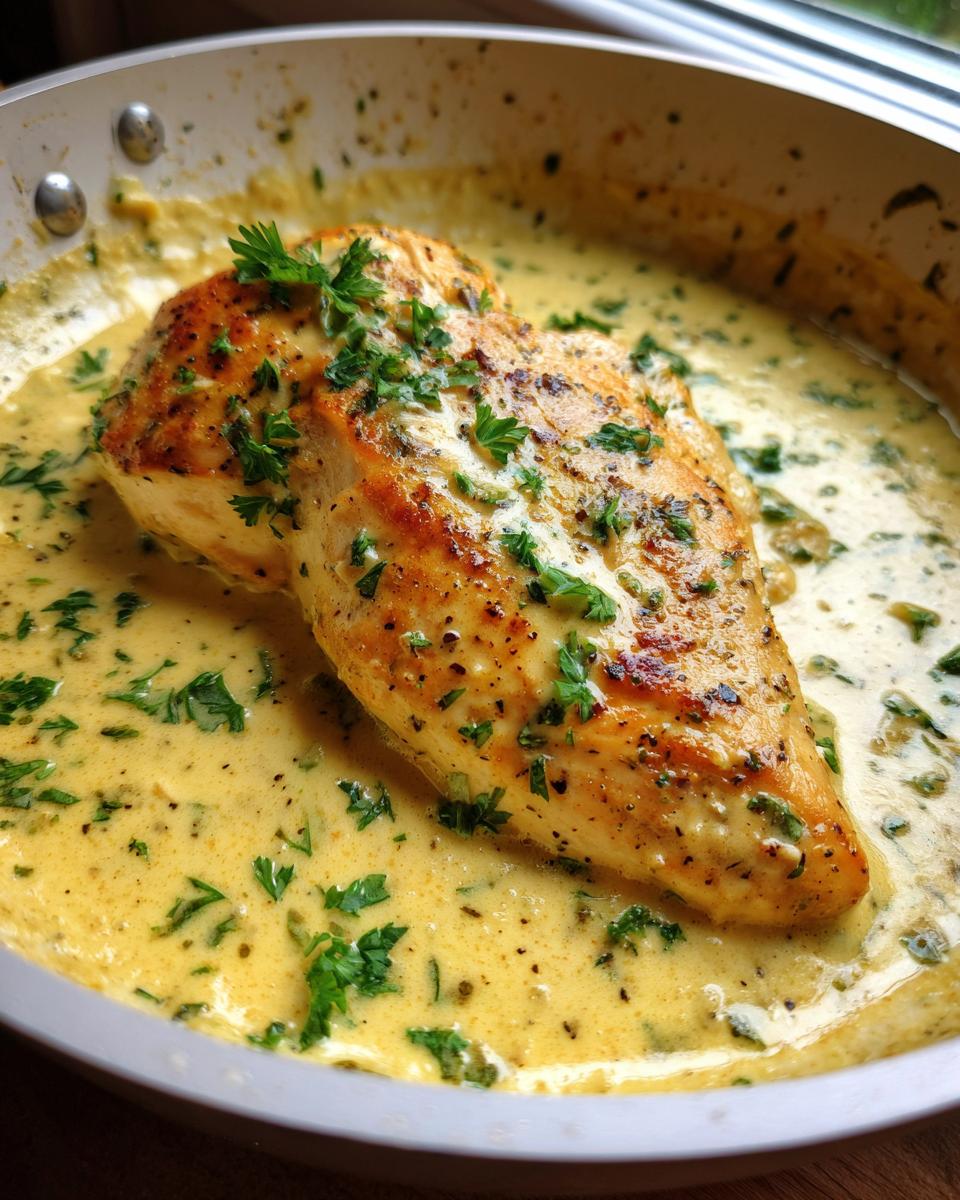
Now, drop that heat down just a touch to medium. See all those gorgeous brown bits stuck to the bottom of the pan? That’s liquid gold, my friend—that’s flavor waiting to be released! Toss in your minced onion and let it soften up for about 3 minutes until it looks translucent. Then, add your garlic but be so careful here; it only needs about 60 seconds until it smells amazing. Don’t let it burn! Now, pour in that chicken broth and use a wooden spoon to scrape up every single one of those tasty browned bits. Let that simmer strongly for a couple of minutes to reduce a bit.
Finishing the Creamy Dijon Chicken Sauce
This is where the sauce comes together! Whisk in your Dijon mustard and that dried thyme until everything is incorporated nice and smooth. Let this mixture bubble gently until you can see it start to cling just a little bit to the back of your spoon. Next, reduce the heat to low and gently stir in the heavy cream. Listen to me: heat it gently, but do not let it boil once the cream is in! Boiling breaks cream, and nobody wants curdled dreams here.
Combining and Serving the Dijon Chicken
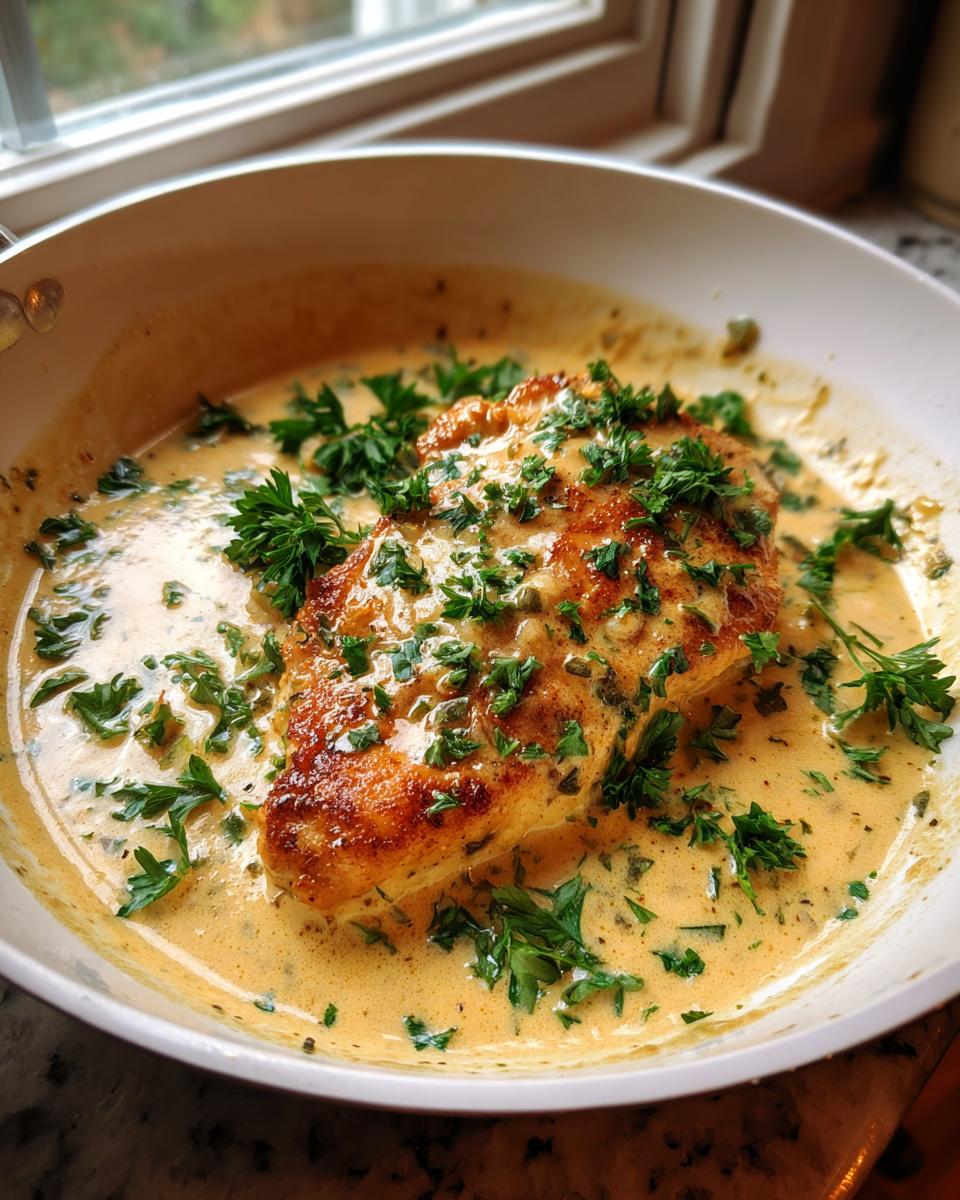
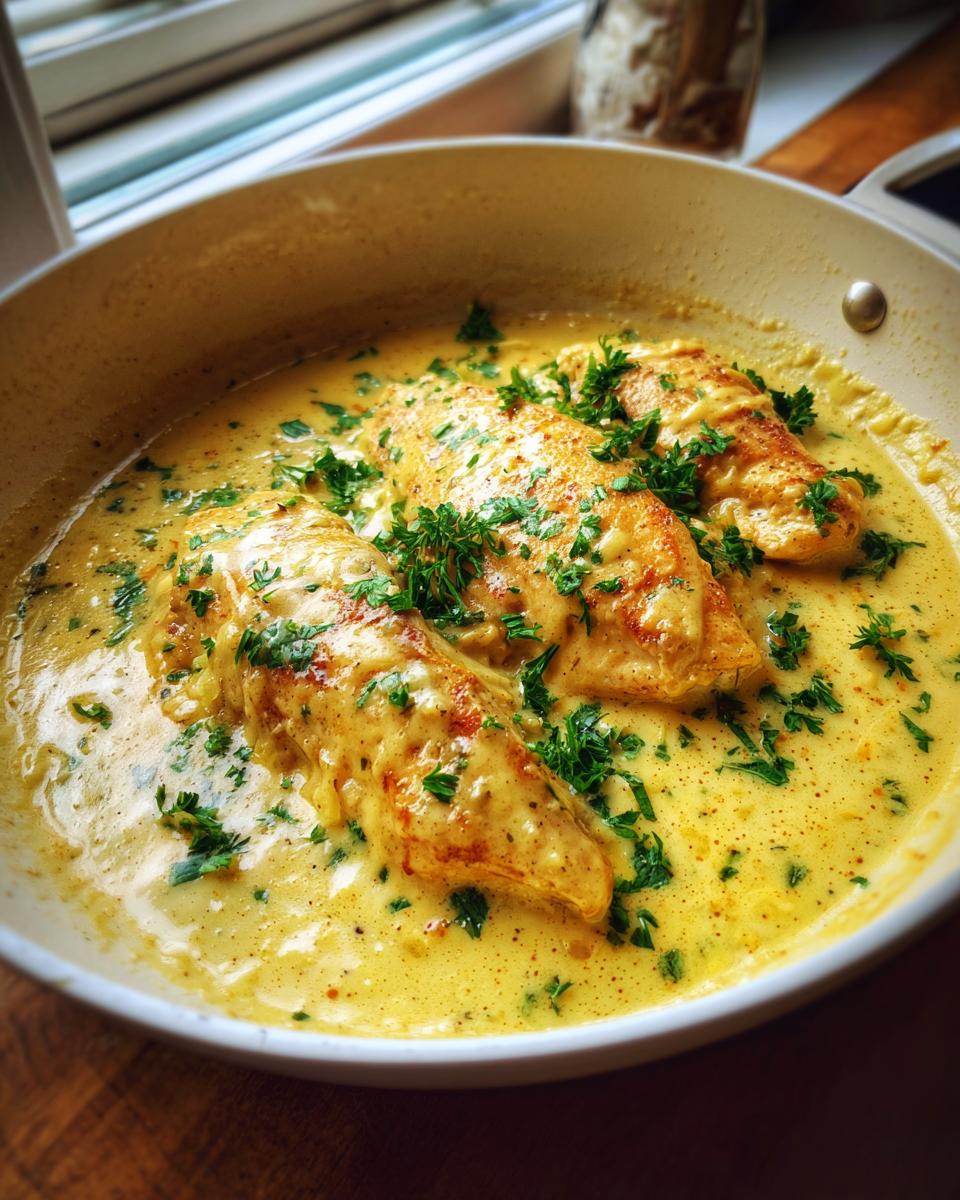
Once the sauce is velvety and warm, nestle those perfectly seared chicken breasts right back into that creamy dream. Spoon a little bit of that gorgeous sauce over the tops. Let everything simmer together gently for just another 2 or 3 minutes. This is just to make sure the chicken warms all the way through and gets thoroughly coated in the sauce. Right before you slide it onto the plate, sprinkle on that fresh parsley. If you’re looking for great ideas to pair with this, definitely check out my post on easy weeknight dinners!
Expert Tips for Perfect Dijon Chicken Every Time
Even though this *dijon chicken* skillet is super easy, there are a few small tricks I always use to make sure it goes from ‘good’ to ‘absolutely unforgettable.’ I learned the hard way that even simple recipes need a little pro attention to shine! Don’t worry, these tips won’t take any extra time.
If you want a truly next-level flavor profile, try marinating the chicken first. The recipe notes mention it, but honestly, I think it’s crucial for maximum flavor penetration!
The Pre-Cook Marinade Secret
Before you even think about seasoning the chicken, give it a little bath. Mix up a splash of white wine (or even just a teaspoon of water if you skip the wine) with a couple of tablespoons of that Dijon mustard. Let the chicken sit in that mixture while you prep the onions and garlic—even 15 minutes helps! It tenderizes the breast and ensures that tangy flavor is right down to the center.
Perfecting the Sauce Thickness
Sometimes, depending on the brand of chicken broth you use, your sauce might seem a touch too thin, even after simmering. If you want that beautiful, thick coating that clings perfectly to the chicken, you need a little cornstarch slurry. This is where you mix one teaspoon of cornstarch with one tablespoon of cold water until it’s completely smooth—no lumps allowed! Whisk that slurry slowly into the simmering sauce (after you’ve already added the cream, but before you put the chicken back in). It thickens up instantly, giving you that rich final texture we all want.
My Non-Negotiable Doneness Check
Look, I trust my eyes, but I trust my thermometer more, especially with chicken breasts. If you’re worried about drying them out while searing, invest in a quick-read digital thermometer. You are cooking them up to 165°F (74°C), but I actually like to *remove* them from the pan when they hit 160°F. Why? Because they carry over cook while resting! Pulling them early guarantees they finish cooking in the gentle warmth of the sauce later without ever getting rubbery. It’s fail-proof!
If you like learning about quick skillet meals, you should definitely take a peek at how I handle my chicken piccata recipes!
Ingredient Notes and Substitutions for Your Dijon Chicken
When you’re cooking this fast, sometimes you realize you’re missing one little thing, and it feels like the whole dinner is ruined! Don’t panic. This creamy Dijon chicken skillet is actually super flexible. The important thing is keeping the flavor profile of that tangy mustard and savory herbs, but we can absolutely wiggle around fatty ingredients if needed.
The one thing I truly stress about is the Dijon itself. If you only have whole grain mustard, go ahead and use it! It will give you a slightly coarser texture in the sauce, but the flavor is still fantastic. Just know that if you use a very sweet honey mustard instead, you’ll need to cut back significantly on anything sweet later, or you’ll end up with dessert chicken!
What If I Don’t Have Heavy Cream?
Heavy cream is used here specifically because it holds up to heat really well without separating when we add the acidic Dijon. If you’re totally out, there are two methods I use.
First, you can try half-and-half, but you *must* be careful. Reduce your heat even lower when you add it in step 8 of the recipe. If you see it start to look even a tiny bit grainy, pull the pan off the heat immediately!
The second way, which I find more reliable if you only have regular milk, is making a quick slurry. Remember how I mentioned the cornstarch slurry for thickening? You can adapt that: whisk up one teaspoon of cornstarch with two tablespoons of cold milk instead of water. Whisk that into the broth mixture before you add the cream or milk substitute, and it gives the sauce the structure it needs to stay velvety smooth even with lower fat milk.
Can I Use Different Cuts of Chicken?
Absolutely! I used boneless, skinless breasts because they cook so fast, which keeps this recipe under 30 minutes. If you use boneless, skinless chicken thighs, they are much more forgiving, which is great if you tend to overcook white meat. The downside? Thighs take longer to cook through, usually adding about 5 to 7 extra minutes per side during that initial sear. Just make sure they hit 165°F internally before you pull them off!
Serving Suggestions for Your Creamy Dijon Chicken
A rich, decadent sauce like the one coating this amazing *dijon chicken* demands something marvelous to soak it all up. Honestly, you can’t go wrong with simple carbs to capture every last drop of goodness!
I always reach for fluffy mashed potatoes when making this skillet. They provide the perfect bed for all that tangy cream sauce. You can check out my foolproof mashed potatoes recipe for the ultimate pairing!
If you need something green to balance out the richness, roasted asparagus or simple steamed green beans tossed with a little lemon always works wonders. For those who like to utilize a solid meal planning strategy, making easy vegetables like these roasted carrots ahead of time makes serving this dinner feel effortless.
Storage and Reheating Instructions for Leftover Creamy Dijon Chicken
The best part about making this creamy Dijon chicken skillet is that it actually tastes just as good, maybe even better, the next day! Think about it: the chicken is already nestled into the sauce, soaking up all that delicious mustard and thyme flavor overnight. It’s the perfect easy meal prep protein!
When it comes to storing leftovers, you need to treat that beautiful sauce gently. Cream sauces, especially those with heavy cream, can be temperamental when they cool down and then get reheated. We want to avoid breaking that emulsion!
How to Store Leftovers Safely
First, make sure the chicken is completely cooled down before you put it away. If you seal up a hot dish in a container, you create steam, and nobody likes soggy leftovers. Let any extra chicken rest on the counter for about 30 minutes until it’s just warm—not hot.
Then, transfer it to an airtight container. I prefer glass containers because they heat more evenly than plastic later on. This creamy *dijon chicken* should last happily in the refrigerator for about three to four days. If I know I won’t eat it within four days, I try to freeze what’s left over, though sometimes the sauce texture changes slightly when thawed.
Reheating to Keep the Sauce Smooth
This is the most important part! You absolutely cannot blast this on high heat in the microwave or throw it into a raging hot pan. High heat is the enemy of cream sauces because it makes the milk solids separate from the fat, resulting in a grainy, watery mess.
The best way to reheat is low and slow on the stovetop. Put your skillet over low heat. Add the leftovers, and then take a tablespoon of regular milk or water and stir it into the sauce. Keep stirring gently while the heat slowly warms everything up. It might take 5 to 7 minutes, but that gentle coaxing brings the sauce back to that velvety texture without splitting it.
If you absolutely must use the microwave, cover the container loosely with a paper towel—this traps a little steam to help heat the center—and heat it in 45-second bursts, stirring thoroughly between each burst until it’s warmed through to your liking.
Frequently Asked Questions About This Dijon Chicken Recipe
You guys always ask the very best questions, and I love knowing you’re thinking ahead about how to fit this recipe into your busy lives! I’ve gathered the most common things I hear about this creamy Dijon skillet. Hopefully, these little tidbits make you feel super confident heading into the kitchen!
Can I use chicken thighs instead of breasts?
Oh yes, you totally can! I picked chicken breasts for the main recipe because they cook lightning fast, which is perfect for squeezing this dinner in before the evening gets too wild. If you use boneless, skinless thighs, they will take a little longer to brown in step 3—probably an extra 5 to 7 minutes per side depending on thickness. The good news is that thighs are way more forgiving and stay super juicy even if you leave them a little longer while you get the sauce ready. Since this is such an easy weeknight dinner staple, using thighs is a great swap!
Can I make this creamy Dijon chicken recipe ahead of time?
That’s a tricky one, and the answer is… sort of! You can definitely sear the chicken breasts completely, let them cool, and store them in the fridge separately from the sauce. The sauce itself is best made right before serving, as I mentioned regarding heat stability in reheating instructions. If you try to make the whole dish ahead, the cream sauce tends to get a bit thick and might break or look less appealing when you reheat it. For the best texture, I’d say sear the chicken, make the sauce separately, and then combine them right before serving!
How do I ensure the sauce is thick enough without using cornstarch?
I know not everyone loves using cornstarch, and honestly, I only keep it on hand as an “emergency” thickener. If you want a guaranteed thick sauce without any extra ingredients, you need to let the broth and Dijon simmer down more vigorously before adding the cream. Make sure you let that broth bubble away for a full 3 to 4 minutes after scraping the bottom of the pan—before you add the thyme and mustard. The more liquid evaporates naturally, the more concentrated the flavor gets, and the thicker the final sauce will be when the heavy cream goes in!
Is there a good low-carb way to serve this chicken?
Since the sauce is rich and creamy, it pairs perfectly with low-carb sides! Skip the rice or pasta and serve this *dijon chicken* over a big bed of steamed, tender broccoli or sautéed spinach. You could also serve it alongside roasted cauliflower rice. The creamy sauce clings beautifully to those textures, and it keeps the meal feeling rich without adding unnecessary carbs!
Do I have to use dried thyme, or can I use fresh?
Oh, I love the flexibility here! If you have fresh thyme, please use it! Fresh herbs always win on flavor. If you substitute, you’ll want to use about three times the amount of fresh herbs compared to dried. So, if the recipe calls for 1 teaspoon of dried thyme, use 1 tablespoon of fresh thyme leaves stripped from the stem. Add the fresh thyme right along with the garlic so it has a little time to infuse its flavor into the fat before you add the broth.
Your Next Simple Dinner Idea
I truly hope this creamy Dijon sauce has convinced you to take a break staring at those delivery apps tonight! This skillet dinner is proof that fast food doesn’t have to mean *fast food*. It’s made with real ingredients by your own two hands, and I promise, the flavor is miles better than anything drive-thru could offer.
Seriously, once you nail this technique—searing the chicken and then whipping up that quick sauce—you’ll be making this *dijon chicken* once a week. I’d love to hear how it went for you! Please tell me in the comments below how it worked with your busy schedule, or even if you tried one of my little tip variations, like using the chicken thyme marinade. Did your family give it two thumbs up?
If you want to know more about why I started Bliss Batter and how I test all these foolproof recipes to make sure they work for real home cooks like us, you can always read up on my story here: About Me. Happy cooking, and I’ll see you in the next recipe!
PrintEasy Creamy Dijon Chicken Skillet
Make this creamy Dijon chicken skillet for a quick and flavorful dinner. Tender chicken breasts cook in a savory sauce perfect for busy weeknights.
- Prep Time: 10 min
- Cook Time: 20 min
- Total Time: 30 min
- Yield: 4 servings 1x
- Category: Dinner
- Method: Skillet Cooking
- Cuisine: American
- Diet: Vegetarian
Ingredients
- 4 boneless, skinless chicken breasts
- 1 tablespoon olive oil
- 1 tablespoon butter
- 1 small onion, minced
- 2 cloves garlic, minced
- 1 cup chicken broth
- 1/2 cup heavy cream
- 1/4 cup Dijon mustard
- 1 teaspoon dried thyme
- 1/2 teaspoon salt
- 1/4 teaspoon black pepper
- 1 tablespoon fresh parsley, chopped (for garnish)
Instructions
- Season the chicken breasts with salt and pepper.
- Heat olive oil and butter in a large skillet over medium-high heat.
- Add chicken breasts to the skillet and cook for 5-7 minutes per side until golden brown and cooked through (internal temperature of 165°F or 74°C). Remove chicken and set aside.
- Reduce heat to medium. Add minced onion to the skillet and cook until softened, about 3 minutes.
- Add minced garlic and cook for 1 minute until fragrant.
- Pour in chicken broth, scraping up any browned bits from the bottom of the pan. Let it simmer for 2 minutes.
- Whisk in Dijon mustard and dried thyme. Let the sauce simmer until it begins to thicken slightly.
- Stir in the heavy cream. Heat through, but do not boil.
- Return the cooked chicken to the skillet. Spoon the sauce over the chicken.
- Simmer for 2-3 minutes to heat the chicken through and coat it with the sauce.
- Garnish with fresh parsley before serving. This pairs well with sides often included in a meal planning strategy.
Notes
- For a richer flavor, you can marinate the chicken in a mix of Dijon mustard and a splash of white wine for 30 minutes before cooking.
- If you prefer a thicker sauce, you can mix 1 teaspoon of cornstarch with 1 tablespoon of cold water and whisk it into the simmering sauce in step 6.
- This recipe is quick enough to fit into any meal delivery companies schedule for fast weeknight options.
Nutrition
- Serving Size: 1 chicken breast with sauce
- Calories: 380
- Sugar: 3
- Sodium: 450
- Fat: 22
- Saturated Fat: 10
- Unsaturated Fat: 12
- Trans Fat: 0
- Carbohydrates: 7
- Fiber: 1
- Protein: 38
- Cholesterol: 130