

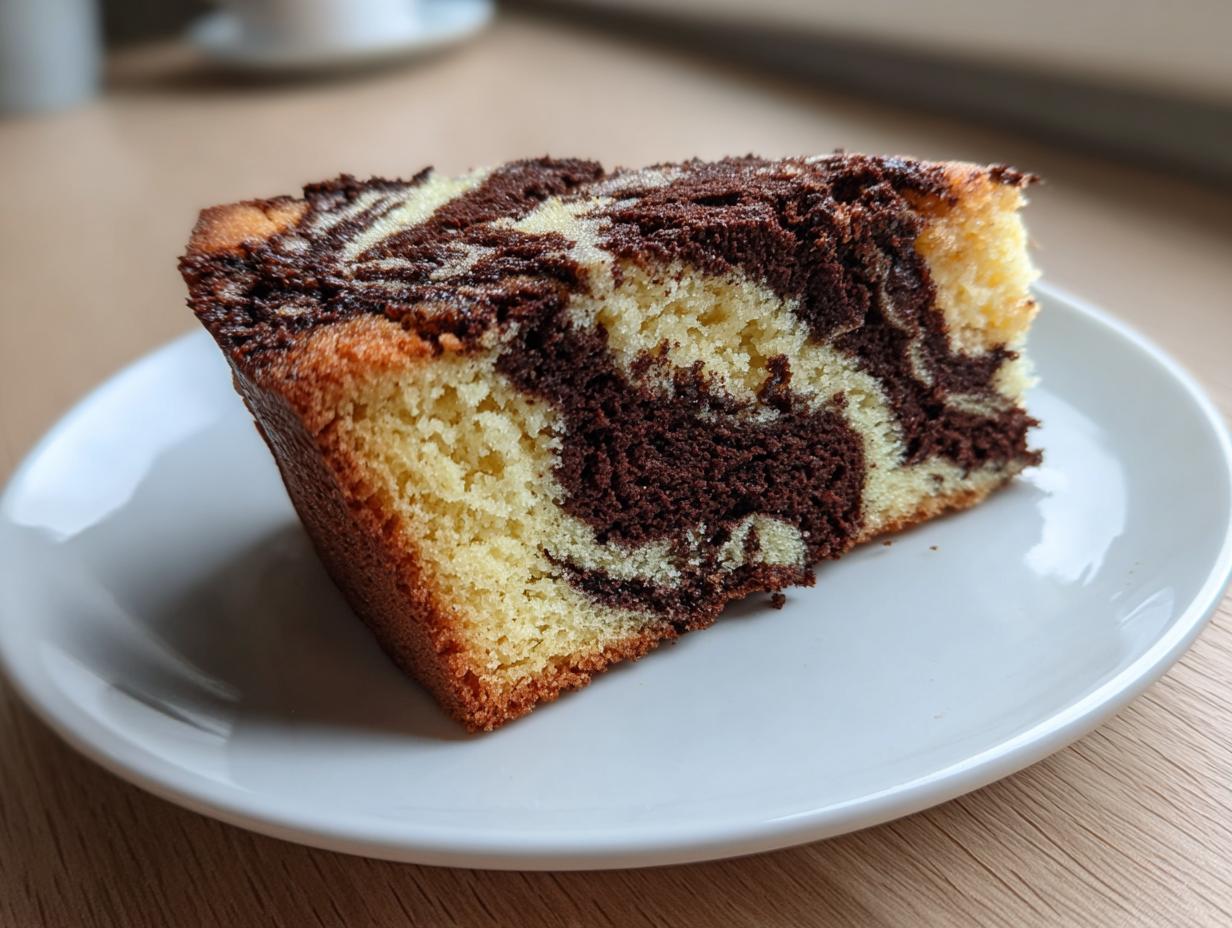
There is just something about a slice of cake that instantly slows down the world, isn’t there? Some bakes are complicated, but others—those are the true kitchen hugs. That’s exactly what this German Marble Cake, or Marmorkuchen as we call it back in my baking research, gives you. It’s elegant without being fussy, pairing that wonderfully delicate crumb we love in German baking with the simple beauty of a swirl. Here at Bliss Batter, I promise you this recipe is completely foolproof. I have tested every single ratio to make sure you get that perfectly moist result every time you pull this classic from the oven! If you want to know more about how we test recipes here, check out my journey here at Bliss Batter.
- Why This German Marble Cake Recipe is Your New Favorite
- Ingredients for an Authentic German Marble Cake (Marmorkuchen)
- Authentic Marmorkuchen instructions: Step-by-Step Baking Guide
- Tips for Success with Your German Marble Cake Recipe
- Serving Suggestions for Classic German Dessert Recipes
- Storage and Reheating for Your Moist German Bundt Cake
- Frequently Asked Questions About Easy Marmorkuchen Steps
- Estimated Nutritional Snapshot for German Marble Cake
- Share Your German Marble Cake Creations!
Why This German Marble Cake Recipe is Your New Favorite
Honestly, I think this simple swirled vanilla chocolate cake is going to sneak right into your favorites list! It’s the perfect afternoon treat with coffee, and it truly delivers on texture. Forget those dry, stiff pound cakes you might have tried before. This German Marble Cake is special because it nails the European standard.
- It guarantees that classic, tender crumb—so moist you won’t believe it.
- The presentation is stunningly classic, thanks to the Bundt pan shape.
- It avoids unnecessary fuss; it’s all about pure, buttery flavor.
Achieving the Perfect German Marble Cake Swirl
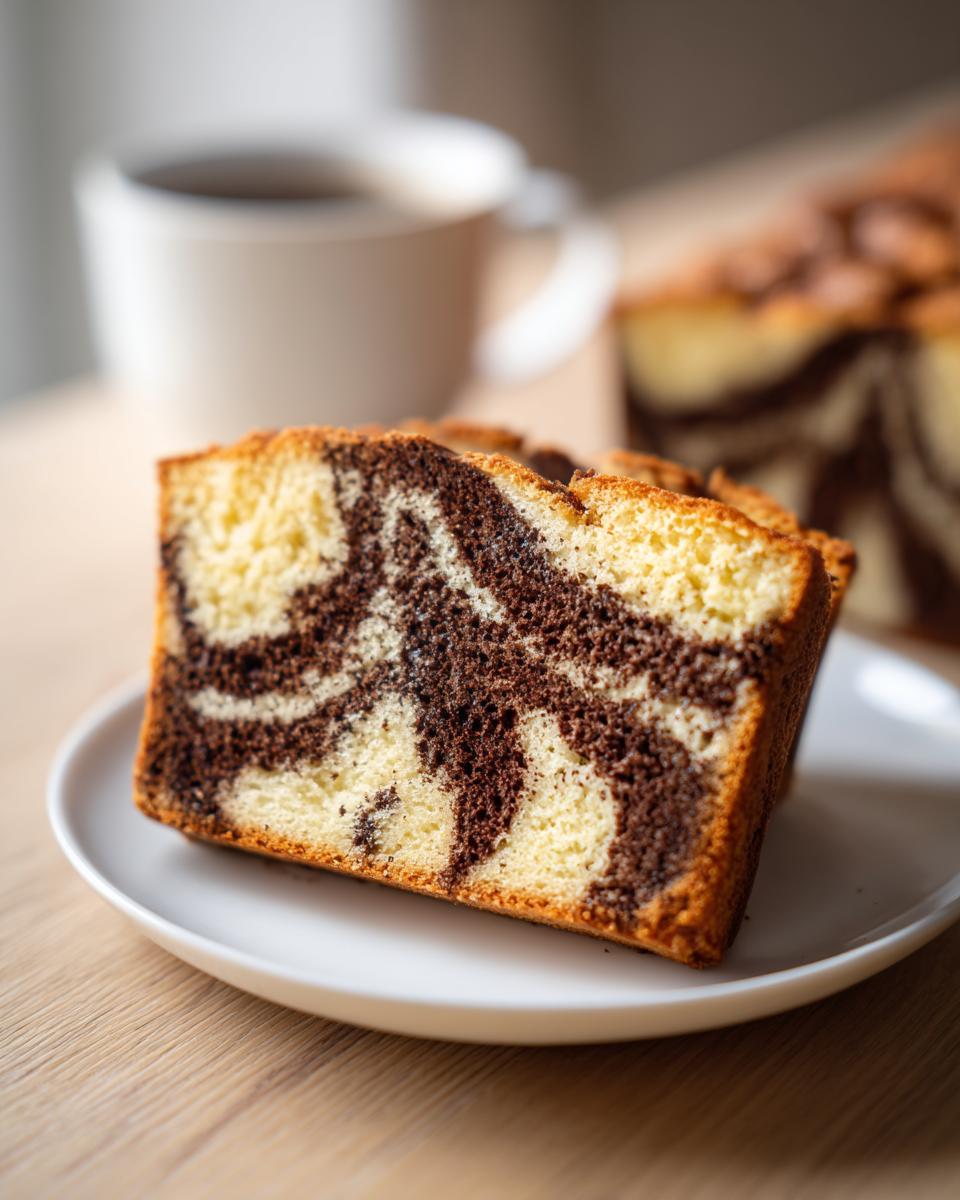
People often worry about the swirl looking messy, but trust me on this: less is more! You don’t need to be an artist here. We just alternate big dollops of the two batters in the pan. Then, a single pass with a knife through the center creates that signature, elegant pattern when it comes out. It’s so simple!
Ingredients for an Authentic German Marble Cake (Marmorkuchen)
When we talk about Marmorkuchen, we are talking about using real, quality components. You don’t need fancy imported things, just good basics handled correctly! Having everything at room temperature is non-negotiable, though—it’s the secret handshake of good baking, making sure your batter comes together smoothly without forcing it.
- 1 cup (2 sticks) unsalted butter, softened
- 1 3/4 cups granulated sugar
- 4 large eggs
- 1 teaspoon vanilla extract
- 3 cups all-purpose flour
- 1 tablespoon baking powder
- 1/2 teaspoon salt
- 1 cup whole milk
- 1/4 cup unsweetened cocoa powder
- 2 tablespoons hot water
- 1 tablespoon granulated sugar (for chocolate batter)
Ingredient Notes and Substitutions
Okay, let’s talk specifics, because these make or break your moist German Bundt cake. For the cocoa powder, make sure you grab the unsweetened kind. We are adding that extra tablespoon of sugar later just to balance out the slight bitterness, which adds depth to the chocolate side of the swirl.
And please, please, please, listen to me about the butter and eggs. If your butter is stiff, you have to wait. If your eggs are ice cold, run them under warm (not hot!) water for a minute or so. Room temperature ingredients mix much more easily, creating those microscopic air pockets we rely on for that beautiful, tender structure. It keeps the whole batter uniform, which is key for that perfect light texture.
Authentic Marmorkuchen instructions: Step-by-Step Baking Guide
Alright, grab your bowls! This is where the magic really happens, and I promise you, following these steps exactly guarantees you won’t end up with a messy blob—you’ll have art! First things first: crank that oven up to 350°F (175°C). While it warms up, give your 10-cup Bundt pan a really good greasing and flouring. Don’t skip this part; nobody wants to fight their cake to get it out later!
Next, we go back to that beautifully creamed butter and sugar from earlier. Beat in the eggs one by one, making sure each one is fully incorporated before adding the next. Then, start adding your dry flour mixture alternating with the milk. Remember what I said about not messing with the creaming? The same rule applies here: mix just until everything *comes together*. You should still see a few little streaks of flour when you stop. Overmixing is the enemy of the moist German Bundt cake!
Once you have that gorgeous, homogenous vanilla batter, you need to divide it up perfectly evenly into two bowls. This is vital for a balanced final cake. Now for the transformation in the second bowl—this step really defines our German Marble Cake recipe.
Preparing the Vanilla and Chocolate Batters for Your German Marble Cake
We leave the first bowl alone—that’s our vanilla base. For the second bowl, we’re going to whisk in the unsweetened cocoa powder, that extra tablespoon of sugar (just for balance!), and two tablespoons of hot water. Yes, hot water! That quickly dissolves the cocoa, making sure it blends without requiring you to beat the batter again. It helps keep the chocolate batter slightly thinner than the vanilla side, which is actually perfect for the marbling effect we want to achieve. Don’t stir it too much—just until that chocolate color is uniform!
Creating the Signature How to make marble cake swirls
Now, take alternating spoonfuls of vanilla and chocolate batter and carefully drop them into your prepared Bundt pan. Think of it like making a checkerboard with batter! Once those big scoops are nestled in the pan, grab a dinner knife or a long skewer. Gently run it through the batter just two or three times in an S-shape. That’s it! If you go back and forth ten times, you’ll just end up with a brown cake, not a beautiful swirl. We want contrast, not a mush! After that light swirl, pop it into the oven for 50 to 60 minutes. When your skewer comes out clean, you’ve nailed it perfectly. You can find one of my favorite tips for making sure the batter is perfectly combined without overworking it over here, too: check out that post on crumb texture!
Tips for Success with Your German Marble Cake Recipe
I know we just talked about keeping that swirl simple, but my very best advice for nailing this Authentic Marmorkuchen instructions comes down to technique repetition. The little notes I added in the recipe guide aren’t suggestions; they are rules for success! The most important one is how you manage those two batters.
You absolutely must make sure your chocolate half is slightly looser than your vanilla half. Remember, we added hot water to the cocoa? That dissolves it perfectly and thins it out just enough. If both batters are the exact same thickness, they just sit on top of each other instead of naturally folding, and you won’t get that beautiful stratification.
And if I can tell you one thing about my entire baking philosophy here at Bliss Batter, it’s this: DO NOT OVERMIX. Once that flour goes in, you stop stirring when the ingredients are just combined. Over-beating develops gluten, and gluten makes cake tough, which is the opposite of what a Traditional German cake baking recipe should ever be. It should be tender, soft, and practically melt in your mouth! For serious texture talk, I have another favorite post on how to keep your crumb incredibly moist.
Serving Suggestions for Classic German Dessert Recipes
When this beauty comes out of the cooling rack, I know you’re going to be tempted to slather it with buttercream—but hold on just a second! Part of the charm of a truly Classic German dessert recipes like Marmorkuchen is its simplicity. In Germany, this cake is the star of the afternoon ritual, Kaffee und Kuchen.
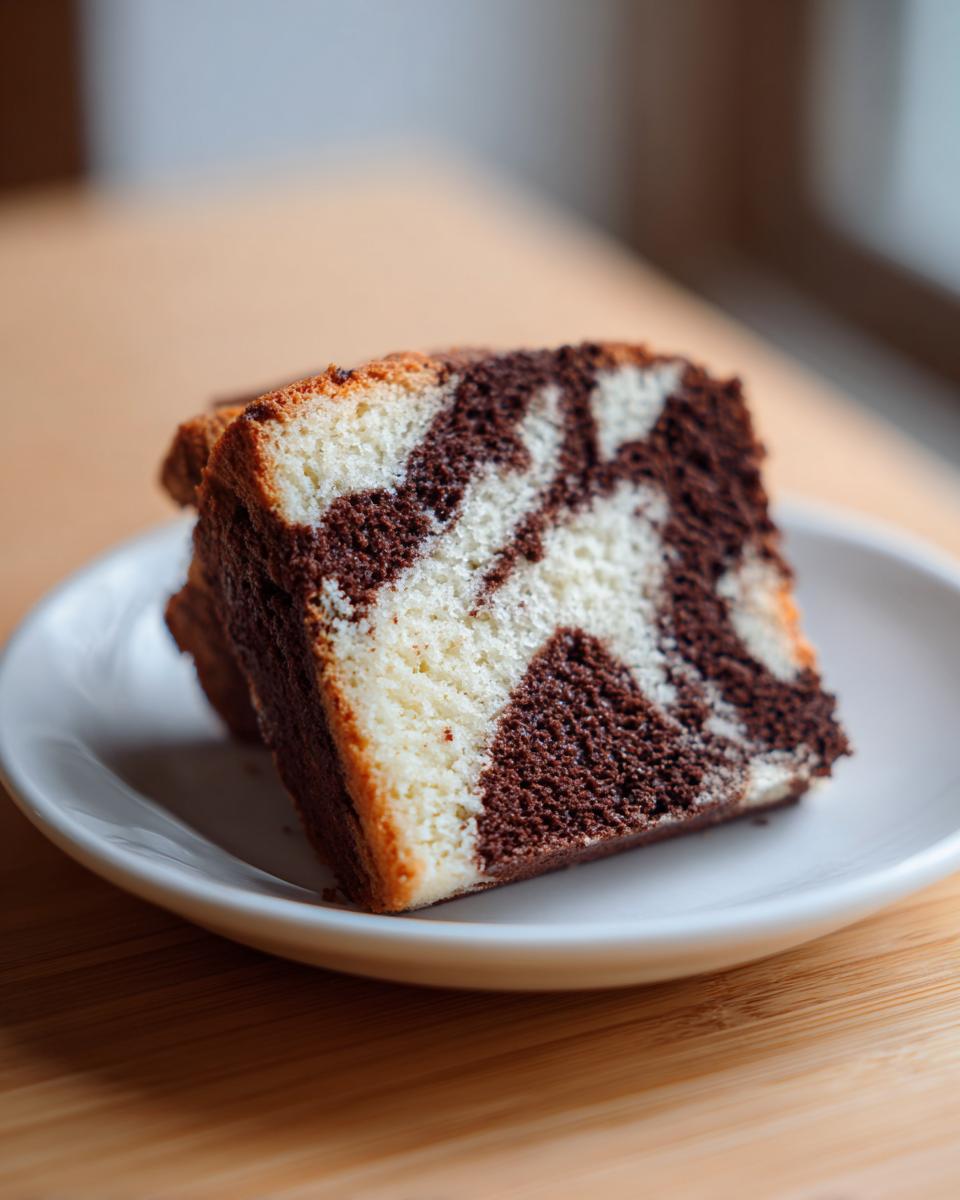
Forget heavy frosting! The most traditional way to finish your **German Marble Cake** is either with a very light drizzle of lemon glaze (if you’re feeling fancy) or, more commonly, just a good, generous, snowy dusting of powdered confectioners’ sugar. Seriously, grab a sifter and just blanket the top.
This simple topping does two big things: it looks incredibly elegant, and it doesn’t compete with that perfect, subtle vanilla-chocolate swirl you worked so hard on inside. It really highlights what the cake is all about—that pure, buttery flavor and moist texture. It’s the perfect pairing for a strong cup of coffee or a cup of tea. It truly shines as an amazing **German afternoon coffee cake**.
Storage and Reheating for Your Moist German Bundt Cake
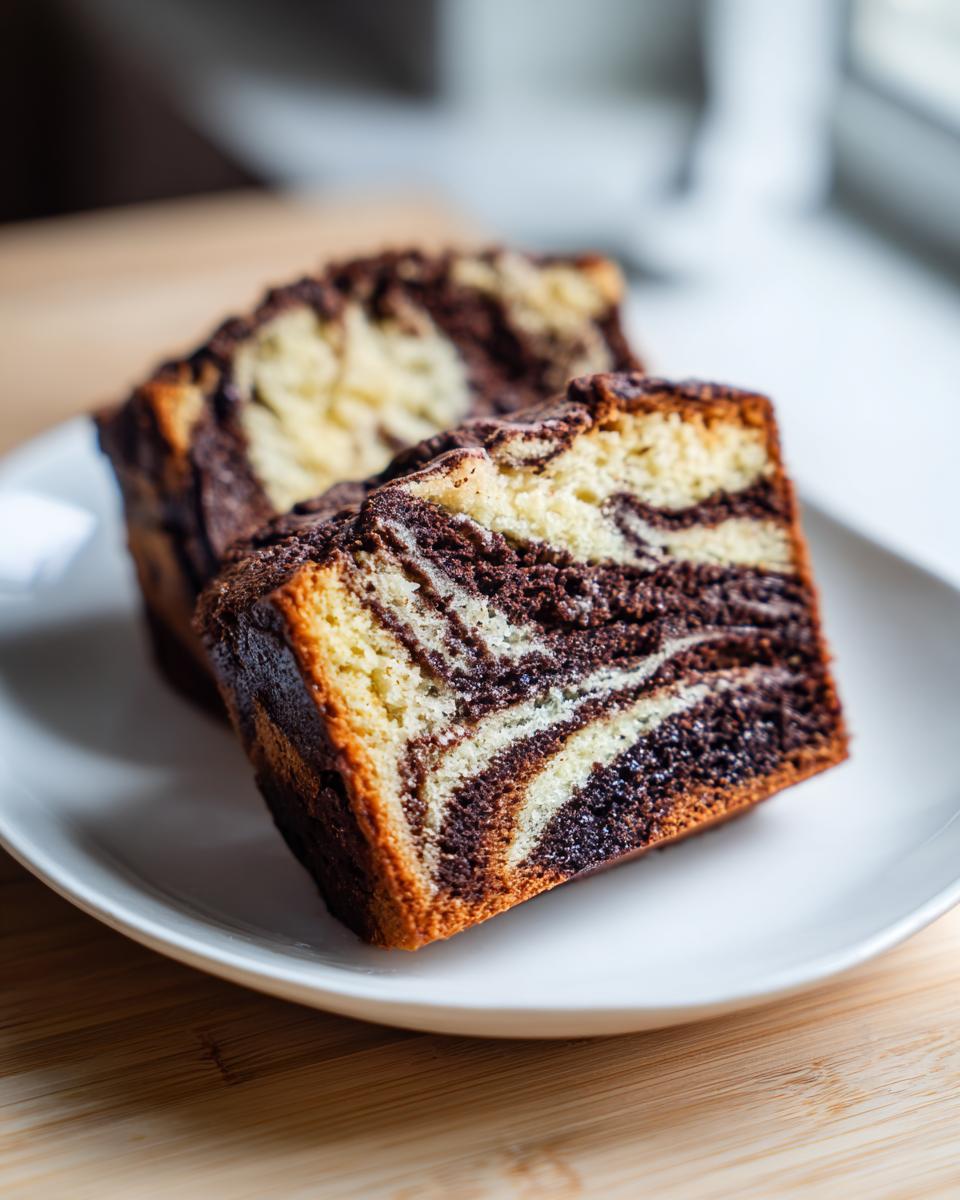
When you finally pull this gorgeous German Marble Cake out of the pan and the whole kitchen smells like vanilla and cocoa, you’ll want to make sure it lasts! Since this is a wonderful, rich butter cake, it actually holds up beautifully at room temperature, which is great because you don’t need to clutter up your fridge.
The absolute best way to keep your moist German Bundt cake fresh is to let it cool completely first—and I mean *completely* cool—on the rack. If you wrap it even slightly warm, that condensation builds up and we are back to soggy cake, which we absolutely cannot have!
Once it’s totally cool, wrap it tightly! I usually start with a layer of plastic wrap directly against the cake (if it’s not glazed), and then slide the whole thing into a large zip-top bag or an airtight container. Stored this way, your Marmorkuchen will stay beautifully fresh for day four or five. I know it won’t last that long, but it’s good to know the option is there!
Now, do you need to reheat it? Usually, no! This cake is meant to be enjoyed at room temperature, especially as a delicate **German afternoon coffee cake**. However, if you’ve had a slice sitting on a plate for a little while and it feels cool, you can give it a quick, gentle warmth. I never microwave baked goods for long; maybe 10 to 15 seconds max, just enough to soften the butter slightly and wake up those chocolate notes. Don’t overheat it, or you’ll lose all that wonderful moisture we worked so hard to keep in there!
Frequently Asked Questions About Easy Marmorkuchen Steps
I get asked the same things all the time when people try this recipe for the first time, and that’s okay! Baking traditions, even when they seem simple, usually have tiny little secrets that make all the difference between good and absolutely fantastic. Don’t worry if you have questions, that’s why I’m here to help guide you past any potential hiccups so you can enjoy your easy Marmorkuchen steps success!
Can I make this German Marble Cake without a Bundt pan?
Oh, absolutely you can! While the Bundt pan gives it that gorgeous, iconic look we associate with Classic German dessert recipes, this batter is wonderfully versatile. If you use loaf pans—say, two standard 9×5-inch pans—you just need to watch the baking time closely. Since the batter is deeper in a loaf pan, it might take 10 to 15 minutes longer to bake through to the center. Always start checking around the 45-minute mark, just like we did with the Bundt cake, using that wooden skewer test!
What makes this Traditional German cake baking different from American marble cake?
That is such a great question! The biggest difference really comes down to sweetness and texture. Traditional German Marble Cake aims for a much more subtle sweetness overall. We aren’t trying to hide the vanilla and chocolate flavors under mounds of sugar; we want them to blend delicately. Texture-wise, German cakes lean toward a denser, yet still incredibly moist and fine crumb—it’s not that light, airy texture you sometimes get in American layer cakes. Plus, that addition of hot water to the cocoa powder is a classic technique that ensures the chocolate part is rich without making the whole batter too heavy.
If you want to jump into another beloved classic from my kitchen that focuses on that perfect melt-in-your-mouth texture, you should come check out my guide on my favorite fudgy brownies—they use a similar principle of moisture retention!
Why is my German Marble Cake dry, even though I followed the steps?
If your cake ends up dry, it almost always comes back to one of two things! First, the overmixing monster. Once that flour and liquid hit that creamed butter, you must stop mixing the second everything is combined, or you develop gluten and the cake tightens up. Second, oven temperature! If your oven runs hot, the edges set before the middle is done, or worse, it evaporates moisture too quickly. Try placing an oven thermometer inside. If your oven is off by even 25 degrees, it can radically affect your results. Every single recipe I post has been re-tested to ensure it’s foolproof, but sometimes your oven just needs a little communication!
Estimated Nutritional Snapshot for German Marble Cake
Now, I know that when we talk about Classic German Dessert Recipes, nobody is really focused on the spreadsheets, right? We are focused on warm, buttery goodness! But here at Bliss Batter, I believe in being totally transparent about what goes into our bakes. So, here is the estimated breakdown for one slice of this glorious German Marble Cake, based on the ingredients we used.
Keep in mind these are just quick estimates, as the exact numbers can swing based on the specific brand of butter or sugar you use. I always say you should bake this for joy, not for science, but it’s good to have an idea!
- Serving Size: 1 slice
- Calories: 350
- Sugar: 30g
- Sodium: 180mg
- Fat: 18g (with 11g saturated)
- Carbohydrates: 45g
- Protein: 5g
I want to be super clear with you folks: because we are using real butter and a good amount of real sugar—which is what gives this Marmorkuchen its incredible texture and flavor—the sugar and fat content is what you see above. That’s just part of the joy of baking a truly authentic, moist cake from scratch! We rely on quality ingredients, not artificial everything, to make this one of the best **German Marble Cake** recipes out there. It’s a treat, and we celebrate it as such!
Share Your German Marble Cake Creations!
Truly, the absolute best part of my whole day is seeing what you all create in your kitchens! I spend so much time making sure these German Marble Cake recipes are perfect and foolproof, but they don’t truly come alive until they are sitting on your cooling racks and coffee tables.
So, please, once you’ve mixed those beautiful vanilla and chocolate batters and you’ve admired that perfect swirl, I would absolutely love to hear all about it! Did you stick to the traditional powdered sugar dusting, or did you try a glaze?
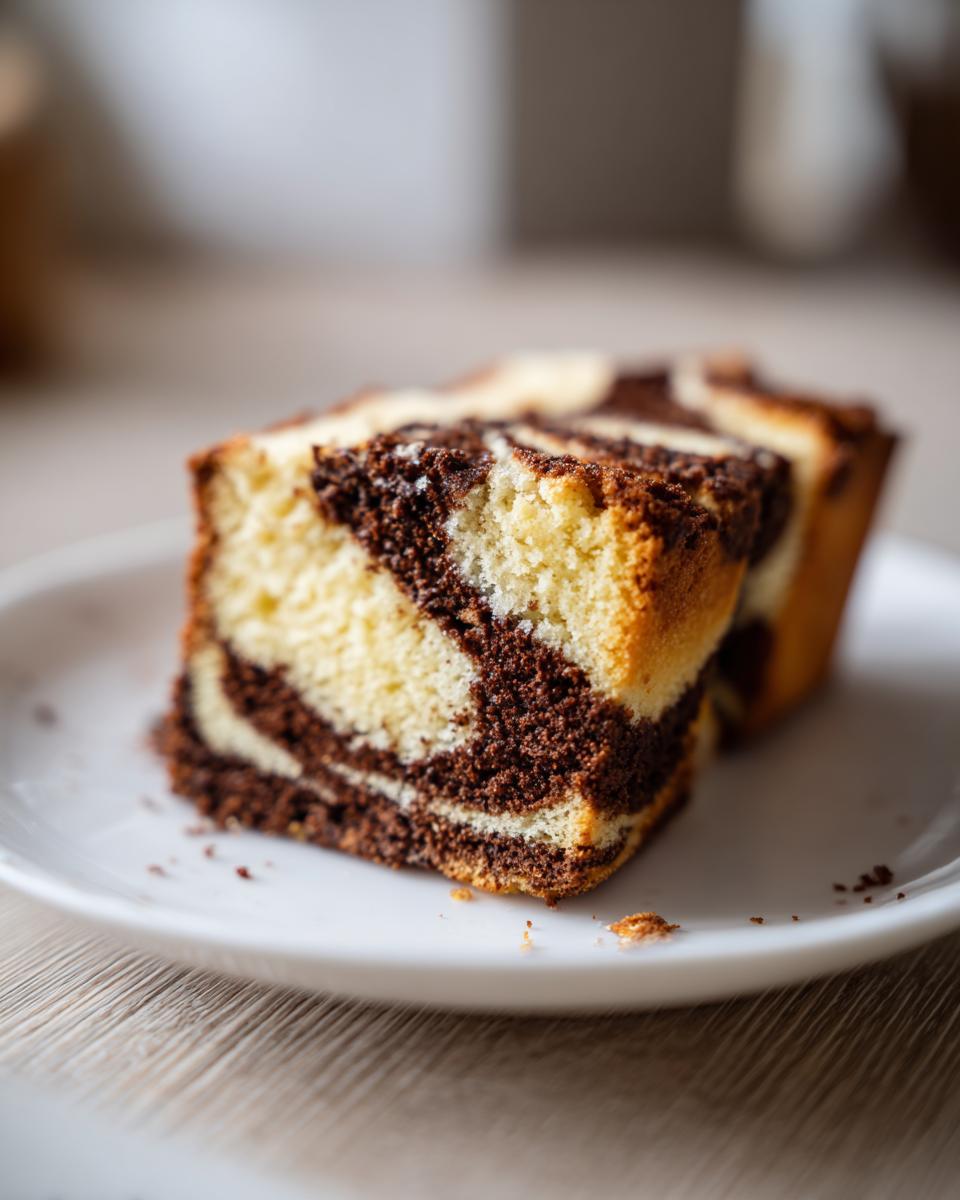
When you leave a rating and a comment below, it helps other bakers who might be nervous about trying a new recipe gain the confidence to dive in. Hearing that someone made your first Marmorkuchen and it turned out perfectly right out of the gate means the world to me.
If you shared your gorgeous cake on Instagram or Facebook, tag me! I love seeing those beautiful contrast slices pop up in my feed. Seeing your successes lets me know I’m hitting that Bliss Batter promise of joyfully accessible baking!
If you ran into any weird snags or have a question that didn’t get covered in the FAQ section—maybe you wondered about swapping the Bundt pan for a springform—don’t hesitate to pop over to my contact page and send me a note directly. Happy baking, everyone! I can’t wait to celebrate your amazing German Marble Cake with you!
PrintClassic German Marble Cake (Marmorkuchen)
Bake this authentic German Marble Cake, or Marmorkuchen, for a moist, tender crumb and a beautiful, simple swirl pattern. This recipe uses a Bundt pan for a traditional presentation.
- Prep Time: 20 min
- Cook Time: 60 min
- Total Time: 80 min
- Yield: 12 servings 1x
- Category: Dessert
- Method: Baking
- Cuisine: German
- Diet: Vegetarian
Ingredients
- 1 cup (2 sticks) unsalted butter, softened
- 1 3/4 cups granulated sugar
- 4 large eggs
- 1 teaspoon vanilla extract
- 3 cups all-purpose flour
- 1 tablespoon baking powder
- 1/2 teaspoon salt
- 1 cup whole milk
- 1/4 cup unsweetened cocoa powder
- 2 tablespoons hot water
- 1 tablespoon granulated sugar (for chocolate batter)
Instructions
- Preheat your oven to 350°F (175°C). Grease and flour a 10-cup Bundt pan well.
- In a large bowl, cream the softened butter and 1 3/4 cups sugar together until light and fluffy. Beat in the eggs one at a time, mixing well after each addition. Stir in the vanilla extract.
- In a separate bowl, whisk together the flour, baking powder, and salt. Gradually add the dry ingredients to the wet ingredients, alternating with the milk, beginning and ending with the flour mixture. Mix only until just combined. Do not overmix.
- Divide the batter evenly into two separate bowls.
- In the first bowl (vanilla batter), leave as is. In the second bowl (chocolate batter), whisk in the cocoa powder, 1 tablespoon of sugar, and the hot water until smooth.
- Drop alternating spoonfuls of the vanilla and chocolate batter into the prepared Bundt pan.
- Take a table knife or a thin skewer and gently run it through the batter in a figure-eight or S-shape motion a few times to create the marble swirl effect. Do not over-swirl.
- Bake for 50 to 60 minutes, or until a wooden skewer inserted into the center comes out clean.
- Let the cake cool in the pan on a wire rack for 15 minutes. Invert the cake onto the rack and let it cool completely.
- Dust with powdered sugar before slicing and serving.
Notes
- For the best marble effect, ensure your chocolate batter is slightly thinner than your vanilla batter by adding the hot water to the cocoa.
- Use room temperature ingredients (eggs, milk, butter) for a smoother, more uniform batter.
- This cake is excellent served plain or with a simple dusting of confectioners’ sugar, typical for German afternoon coffee cake.
Nutrition
- Serving Size: 1 slice
- Calories: 350
- Sugar: 30
- Sodium: 180
- Fat: 18
- Saturated Fat: 11
- Unsaturated Fat: 7
- Trans Fat: 0
- Carbohydrates: 45
- Fiber: 1
- Protein: 5
- Cholesterol: 90