

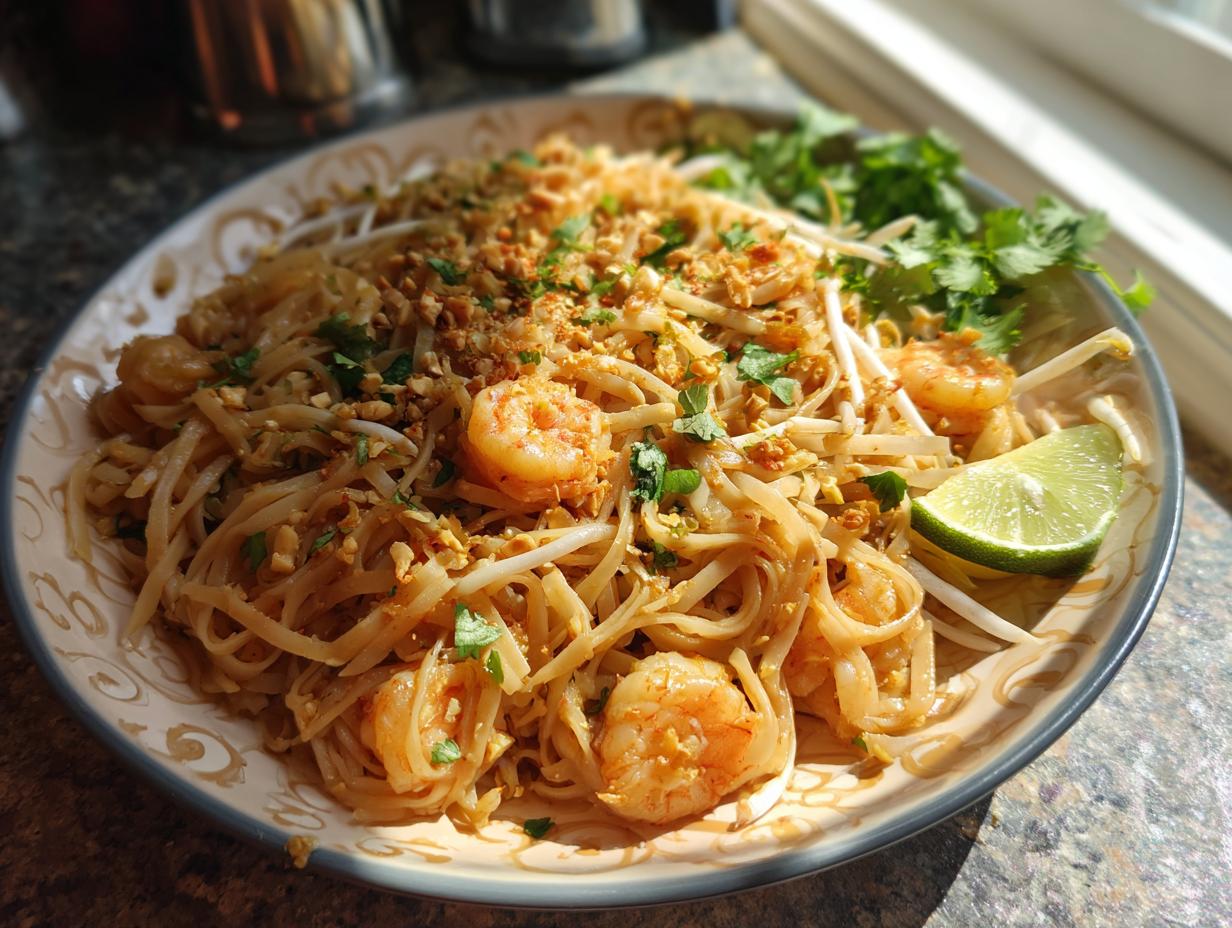
Oh, that irresistible craving! You know the one – the moment you can practically taste those chewy rice noodles, the tangy-sweet sauce, the crunch of peanuts, and maybe some savory shrimp or chicken dancing on your tongue. Yep, we’re talking about Pad Thai! It’s that glorious Thai takeout favorite that just hits different, right? Well, guess what? You can totally bring that magic right into your own kitchen, and honestly, it’s way easier than you think. I used to think ordering in was the *only* way to get this masterpiece, but after a little kitchen experimenting, I discovered you can whip up incredibly authentic Pad Thai with that perfect noodle texture in about 30 minutes. It’s seriously so satisfying to nail that takeout flavor at home!
- Why You'll Love This Easy Pad Thai at Home
- Gather Your Ingredients for Authentic Pad Thai
- Mastering the Authentic Pad Thai Sauce
- Step-by-Step Guide to Making Pad Thai
- Serving Your Homemade Pad Thai
- Tips for Success with Your Pad Thai Recipe
- Frequently Asked Questions about Pad Thai
- Nutritional Information
Why You’ll Love This Easy Pad Thai at Home
Seriously, what’s not to love about this recipe? It’s:
- Super Speedy: We’re talking your favorite takeout dish on the table in about 30 minutes. Perfect for those *I need dinner NOW* moments.
- Surprisingly Easy: No fancy restaurant tricks here! Just simple steps that lead to big flavor.
- Bursting with Authentic Flavor: That perfect sweet, sour, and salty balance you dream about? We’ve totally nailed it.
- So Satisfying: There’s just something special about making THAT Pad Thai, the one you’d normally order, all by yourself. Trust me!
Gather Your Ingredients for Authentic Pad Thai
Alright, let’s get our mise en place ready! Having everything prepped before you even *think* about turning on the stove is the secret weapon for making this Pad Thai come together so quickly. You’ll need some dried flat rice noodles – about 8 ounces is perfect for two hungry people. Then, grab about 3 tablespoons of a good neutral oil, like vegetable or canola, for stir-frying. For our protein, go with 8 ounces of your favorite – shrimp, chicken breast cut into bite-sized pieces, or even some firm tofu works wonderfully. Don’t forget 2 cloves of garlic, minced super fine, and one large egg, just lightly beaten and ready to go. For that colorful crunch, we’ll need 1 cup of fresh bean sprouts and about 1/4 cup of chopped roasted peanuts for topping. And no Pad Thai is complete without fresh cilantro and a few lime wedges for serving!
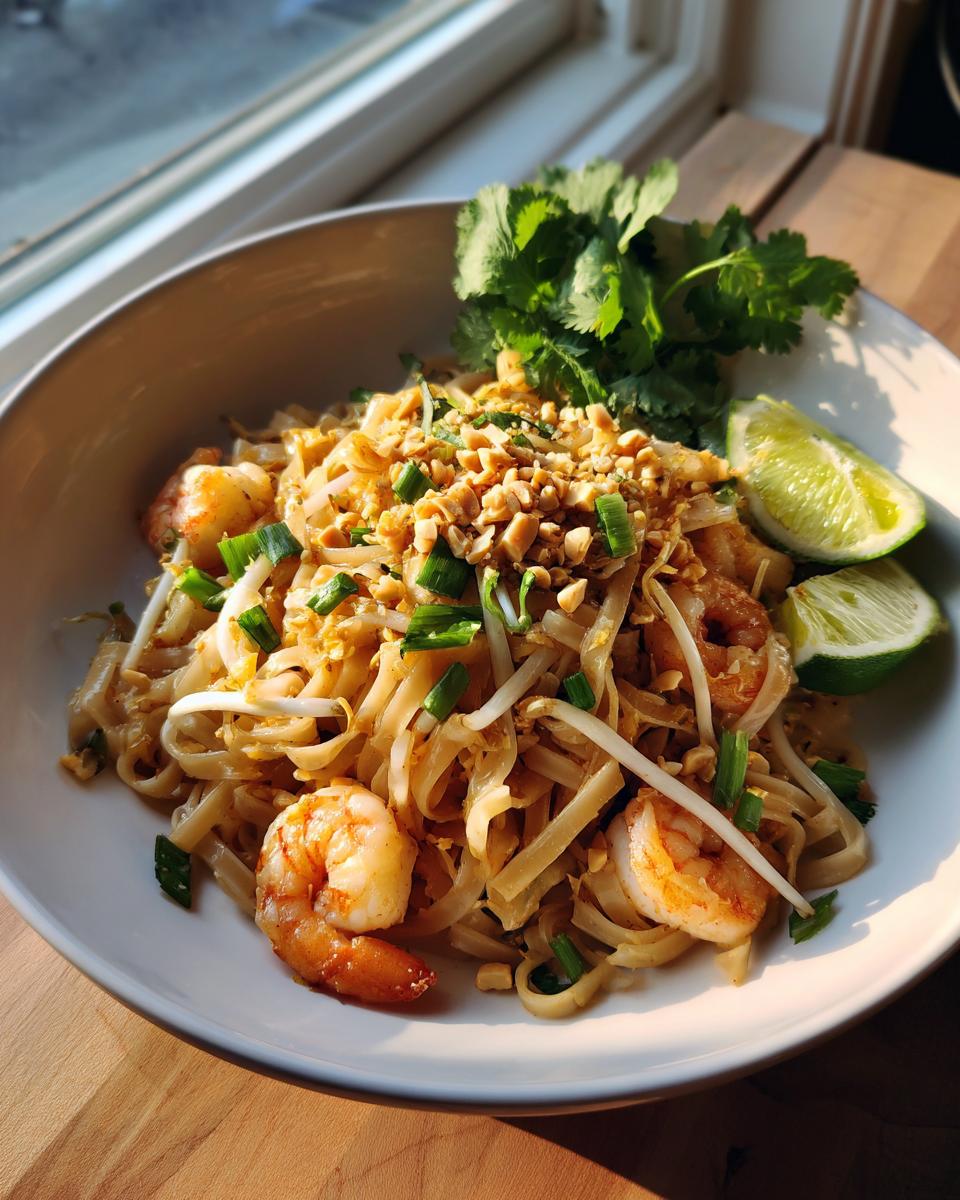
Now for the heart of the dish – the sauce! This is where the magic happens, so make sure you have these handy:
- 3 tablespoons of good quality fish sauce (this is key for that salty umami punch!)
- 3 tablespoons of tamarind paste (this gives us that signature tangy goodness!)
- 2 tablespoons of brown sugar (to balance that tang and saltiness)
- 1 tablespoon of rice vinegar (just a little extra zing!)
- And if you like a little heat, a teaspoon of sriracha or your favorite chili sauce.
Using fresh ingredients here really makes a difference, trust me!
Mastering the Authentic Pad Thai Sauce
Okay, let’s talk sauce, because *this* is where the real Pad Thai magic happens! Forget bland noodles; we’re building a flavor powerhouse. That perfect sweet, sour, and salty symphony you love in authentic Pad Thai? It all comes down to this simple sauce. The fish sauce brings that essential salty, umami depth – don’t be scared of it, it’s a game-changer! Then, tamarind paste swoops in with its unique tangy brightness, cutting through everything and making your taste buds sing. Brown sugar is our balancer, mellowing out the tartness and saltiness, and a splash of rice vinegar just gives it an extra little kick. Seriously, whisking these together feels like you’re creating edible gold. It’s the secret to truly tasting like you’re at a Bangkok street food stall instead of your kitchen!
Tips for Perfecting Your Pad Thai Sauce
The best part about this sauce? You can totally tweak it! Before you even think about adding it to the pan, give it a little taste. Too tangy? Add a pinch more sugar. Not enough punch? A tiny bit more fish sauce. If you can’t find tamarind paste, it’s not the end of the world; you can try using extra lime juice with a bit more sugar, but that authentic tamarind flavor is pretty special, so it’s worth hunting down if you can! Adjusting is totally normal and how you get *your* perfect Pad Thai.
Step-by-Step Guide to Making Pad Thai
Alright, apron on! It’s time to turn all those lovely ingredients into your very own Pad Thai masterpiece. The key here is having everything prepped and within reach because once we start stir-frying, things move fast! So, let’s get this done right. It’s way more fun than waiting for delivery, and you’ll feel like a total kitchen wizard.
Preparing the Noodles for Your Pad Thai
First things first, those rice noodles! You want them chewy, not mushy, so listen up. Most flat rice noodles just need a good soak in hot water for about 5-7 minutes. You’re looking for them to be flexible and tender but still have a little bite – we call that ‘al dente’ in chef speak! The package directions are usually your best friend here. Once they’re ready, drain them really, really well. I mean well! Soggy noodles are the enemy of great Pad Thai, so give them a good shake in the colander.
Cooking the Protein and Egg
Now, grab your biggest skillet or wok and let it get nice and hot over medium-high heat. Add about a tablespoon of your oil. Toss in your protein – whether it’s shrimp, chicken, or tofu – and give it a good stir-fry until it’s cooked through and maybe even a little browned. That adds extra flavor! Once it’s done, scoop it out and set it aside. Don’t clean the pan! Add another tablespoon of oil, then throw in your minced garlic. Stir it around for just about 30 seconds until it smells amazing – careful not to burn it! Push the garlic to one side of the pan, pour your lightly beaten egg into the empty space, and scramble it up quickly until it’s just cooked. Easy peasy!
Bringing Your Pad Thai Together
Okay, drumroll please! Now for the grand finale where everything comes together. Add your drained noodles, the cooked protein, and that glorious sauce we made earlier right into the hot pan. Use tongs or spatulas to gently toss everything together, making sure every single noodle gets coated in that tangy, sweet, salty sauce. It looks amazing already, right? Now, toss in about half of your fresh bean sprouts. Give everything another quick toss for about a minute – you just want them to warm up a bit and get slightly tender, not soggy! That’s it. Your Pad Thai is almost ready to rock and roll!
Serving Your Homemade Pad Thai
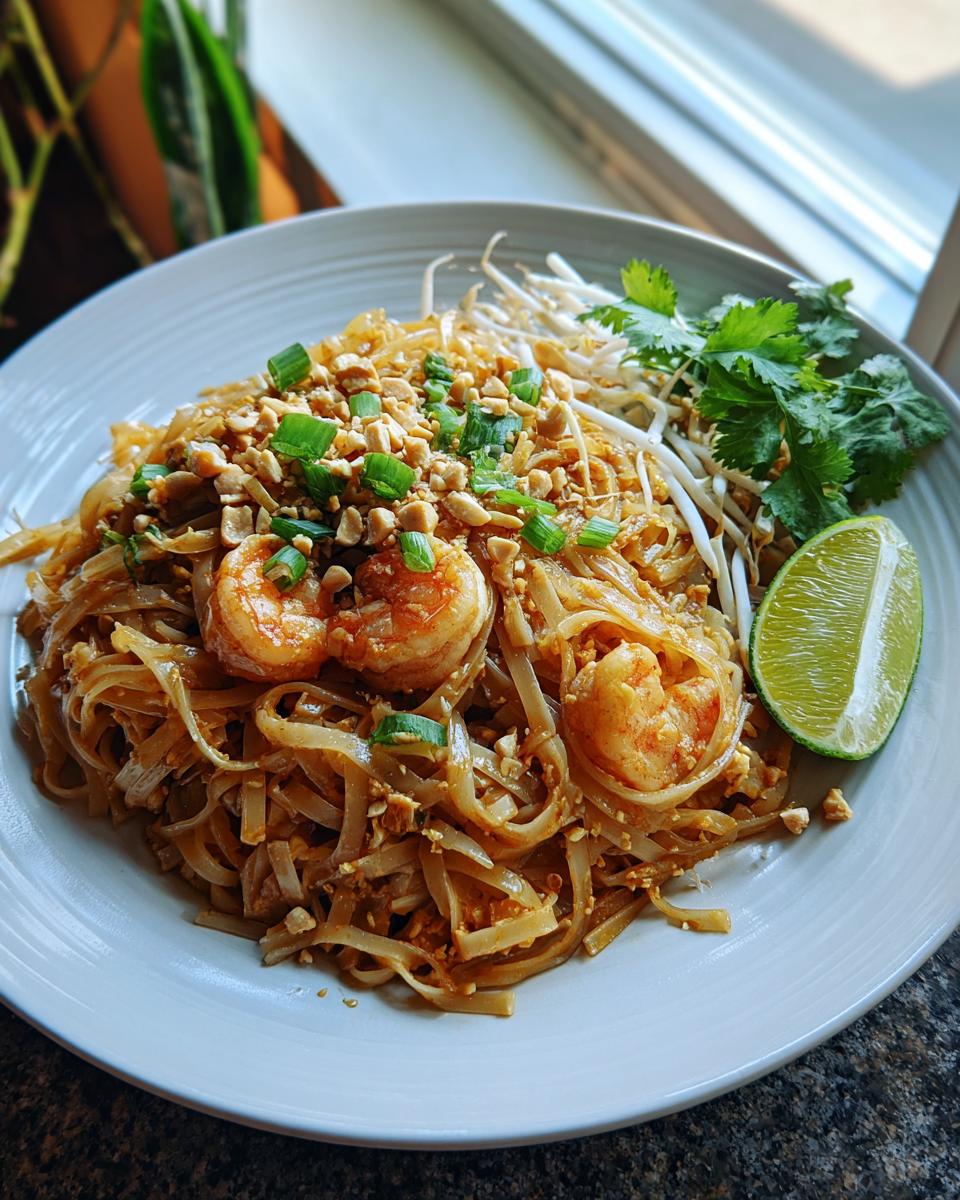
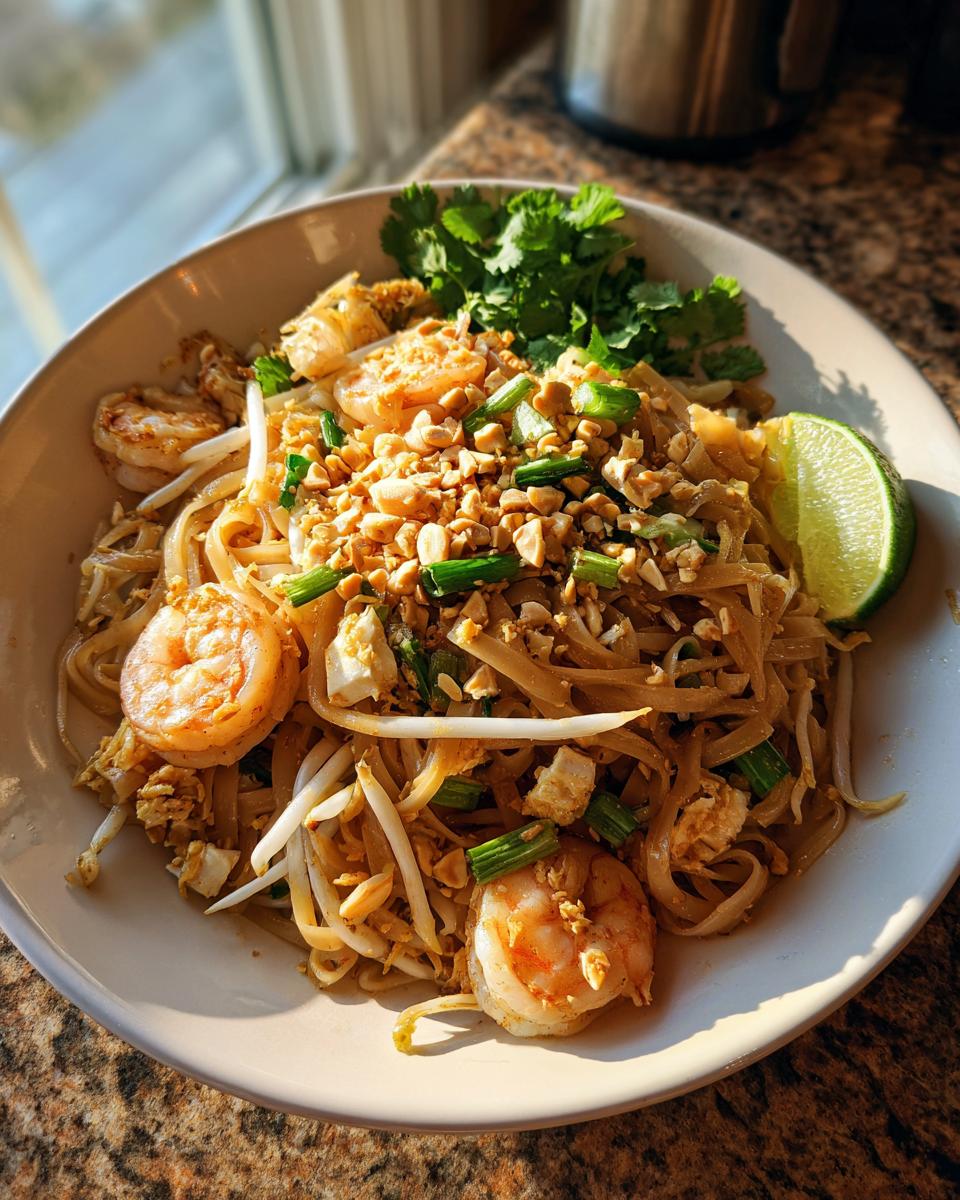
Okay, the moment of truth! Spoon generous portions of your glorious Pad Thai onto plates. Now, for the crowning touches: sprinkle on that remaining cup of crisp bean sprouts for an extra bit of freshness, shower it with those wonderfully crunchy roasted peanuts, and add a little confetti of fresh cilantro. Squeeze a lime wedge over everything right before you dig in – that burst of citrus brightens up all the flavors! Seeing it all come together like this, looking just like that takeout favorite we love, is seriously one of my favorite kitchen wins. It feels so fancy, yet it was so easy! You can even serve it alongside some of our other easy party snacks if you’re feeling festive!
Tips for Success with Your Pad Thai Recipe
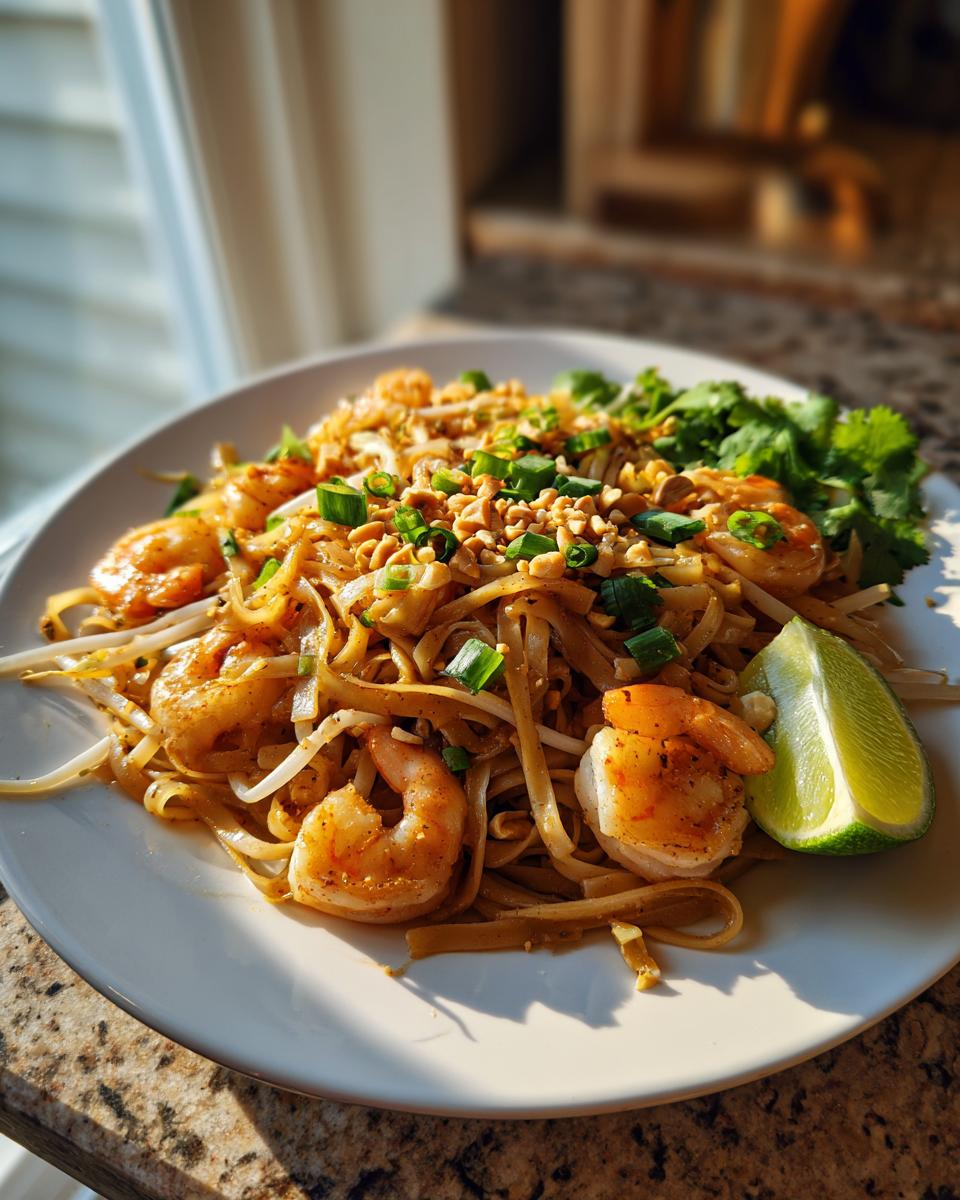
Making amazing Pad Thai at home is totally doable, and I’ve picked up a few tricks along the way that really make a difference. My biggest tip? Really crank up the heat on your wok or skillet! A hot pan is crucial for getting that slightly charred, just-right texture on the noodles and protein without them getting soggy or sticking. Don’t overcrowd the pan either; cook in batches if you have to, so everything gets that lovely sear. And remember what I said about those noodles soaking? Overdoing it is the number one reason for mushy Pad Thai, so aim for that ever-so-slight firmness when you drain them. It sounds small, but it’s a game-changer!
Ingredient Substitutions for Pad Thai
This recipe is pretty flexible, so don’t sweat it if you don’t have *exactly* what’s listed. If you’re going vegetarian or vegan, just swap out the shrimp or chicken for extra-firm tofu, pressing it well first. And for my fellow plant-based eaters, make sure your fish sauce is actually a vegan version, or you can use a soy sauce and a pinch of mushroom powder for a similar savory flavor, though it won’t be quite the same. While flat rice noodles are traditional and best for texture, if you can only find wider or thinner ones, they’ll still work in a pinch. Just adjust the soaking time accordingly!
Frequently Asked Questions about Pad Thai
Got questions about whipping up this amazing at-home Pad Thai? I’ve got you covered! Making this Thai stir-fried noodle dish at home is so rewarding, and a few common things pop up.
Can I make Pad Thai without fish sauce?
Yes, you absolutely can! While fish sauce is traditional and gives authentic Pad Thai its signature salty depth, you can substitute it. For a vegetarian version, a good quality soy sauce works, or even a vegan fish sauce alternative. You might want to add a pinch of extra sugar or a tiny bit more tamarind paste to compensate for the missing umami. Just taste and adjust!
What kind of noodles are best for Pad Thai?
For that classic Pad Thai texture, you really want to use dried flat rice noodles, usually around 1/4 to 1/2 inch wide. They soak up the sauce beautifully and have a delightful chew. Avoid instant noodles or spaghetti; they just won’t give you that authentic feel. The key is to soak them until they’re pliable but still have a bit of firmness!
How do I prevent my Pad Thai noodles from sticking?
Sticking noodles are the worst, right? My biggest tip is to make sure your wok or skillet is nice and hot before adding the noodles and sauce, and don’t skimp on the oil when you’re stir-frying. Also, make sure your noodles are drained really, really well after soaking. If they’re still wet, they’ll clump and stick. Tossing them gently but thoroughly with the sauce helps coat each strand and prevents them from grabbing onto each other too much.
Is it really possible to make authentic Pad Thai sauce at home?
Oh, 100%! That’s honestly the most exciting part of making this easy Pad Thai at home. The magic is in balancing those key flavors: the salty fish sauce, the tangy tamarind, and the sweet brown sugar. Once you get those ratios down, you’ve basically bottled up the essence of a true Thai stir-fried noodle dish. It’s so much easier than you’d think and totally worth it for that authentic taste!
Nutritional Information
Just a heads-up, because we all want to know what we’re munching on! This Pad Thai recipe is estimated to have about 650 calories per serving. You’ll find roughly 25g of fat, 30g of protein, and a hearty 80g of carbohydrates. Remember, these are just estimates, and the actual numbers can change a bit depending on the specific ingredients you grab and how big your portions are. Enjoy!
PrintEasy Pad Thai Recipe
Make your favorite Thai takeout dish at home with this easy Pad Thai recipe. You’ll create a flavorful stir-fry of rice noodles with a tangy-sweet sauce, peanuts, and your choice of protein.
- Prep Time: 15 min
- Cook Time: 15 min
- Total Time: 30 min
- Yield: 2 servings 1x
- Category: Dinner
- Method: Stir-fry
- Cuisine: Thai
- Diet: Vegetarian
Ingredients
- 8 ounces dried flat rice noodles
- 3 tablespoons vegetable oil
- 8 ounces shrimp, chicken, or firm tofu, cut into bite-sized pieces
- 2 cloves garlic, minced
- 1 large egg, lightly beaten
- 1 cup bean sprouts
- 1/4 cup chopped roasted peanuts
- 2 tablespoons chopped fresh cilantro
- 1 lime, cut into wedges
- For the Sauce:
- 3 tablespoons fish sauce
- 3 tablespoons tamarind paste
- 2 tablespoons brown sugar
- 1 tablespoon rice vinegar
- 1 teaspoon sriracha (optional)
Instructions
- Prepare the sauce: In a small bowl, whisk together fish sauce, tamarind paste, brown sugar, rice vinegar, and sriracha (if using). Set aside.
- Cook the noodles: Soak rice noodles in hot water according to package directions until al dente. Drain well.
- Stir-fry protein: Heat 1 tablespoon of vegetable oil in a large skillet or wok over medium-high heat. Add your protein and cook until browned and cooked through. Remove from skillet and set aside.
- Sauté aromatics: Add another tablespoon of oil to the skillet. Add minced garlic and cook for 30 seconds until fragrant.
- Scramble egg: Push garlic to one side of the skillet. Pour the beaten egg into the other side and scramble until cooked.
- Combine ingredients: Add the drained noodles, cooked protein, and prepared sauce to the skillet. Toss everything together to coat evenly.
- Add vegetables: Add half of the bean sprouts and toss for 1 minute until slightly wilted.
- Serve: Divide Pad Thai among plates. Garnish with remaining bean sprouts, chopped peanuts, cilantro, and lime wedges.
Notes
- For a vegetarian version, omit the shrimp and chicken and use tofu. Ensure your fish sauce is vegetarian if needed.
- Adjust the sauce ingredients to your preference. More sugar for sweetness, more tamarind for tanginess, and more fish sauce for saltiness.
- If you don’t have tamarind paste, you can substitute with an equal amount of lime juice and a little extra sugar, though the flavor will be slightly different.
Nutrition
- Serving Size: 1 serving
- Calories: 650
- Sugar: 20g
- Sodium: 1800mg
- Fat: 25g
- Saturated Fat: 5g
- Unsaturated Fat: 20g
- Trans Fat: 0g
- Carbohydrates: 80g
- Fiber: 5g
- Protein: 30g
- Cholesterol: 150mg