

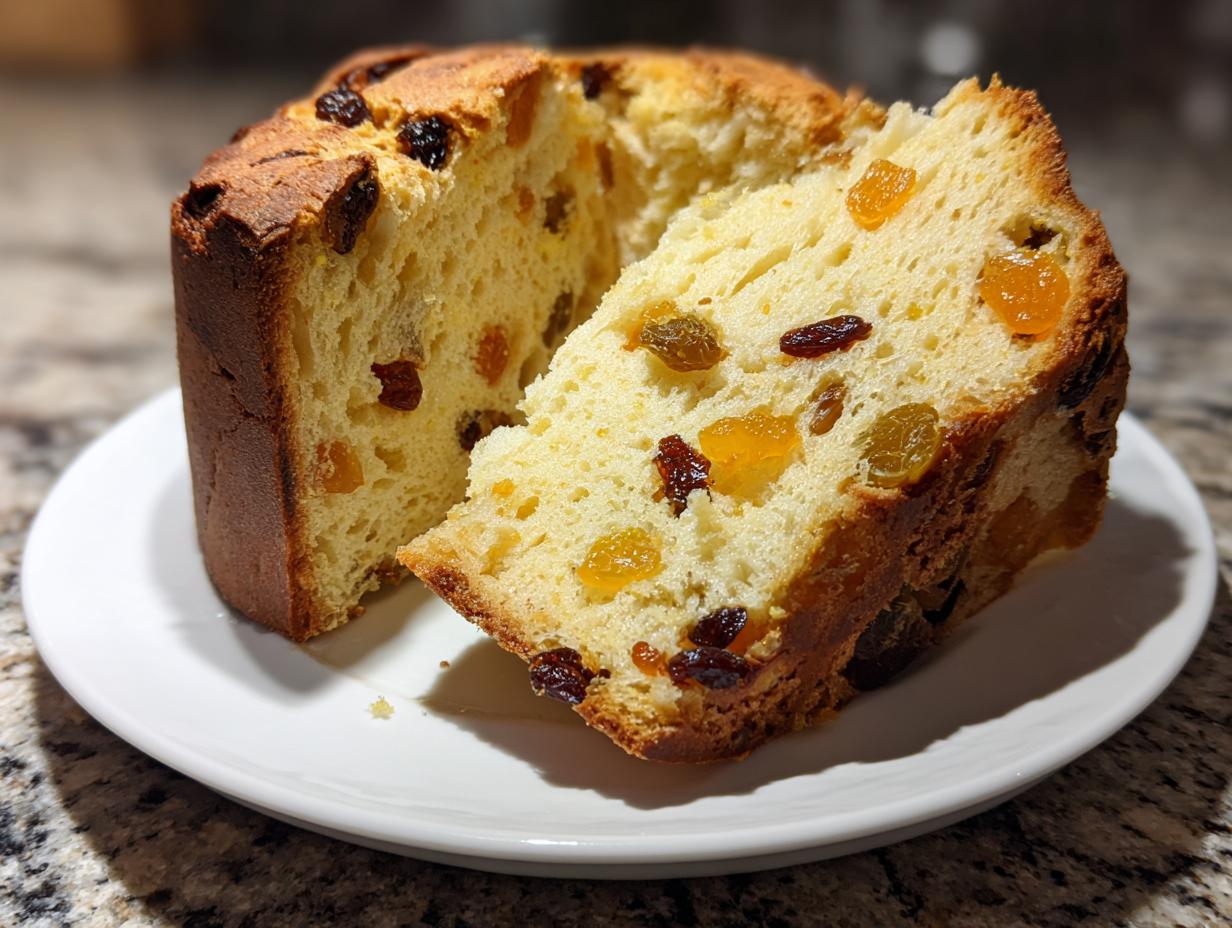
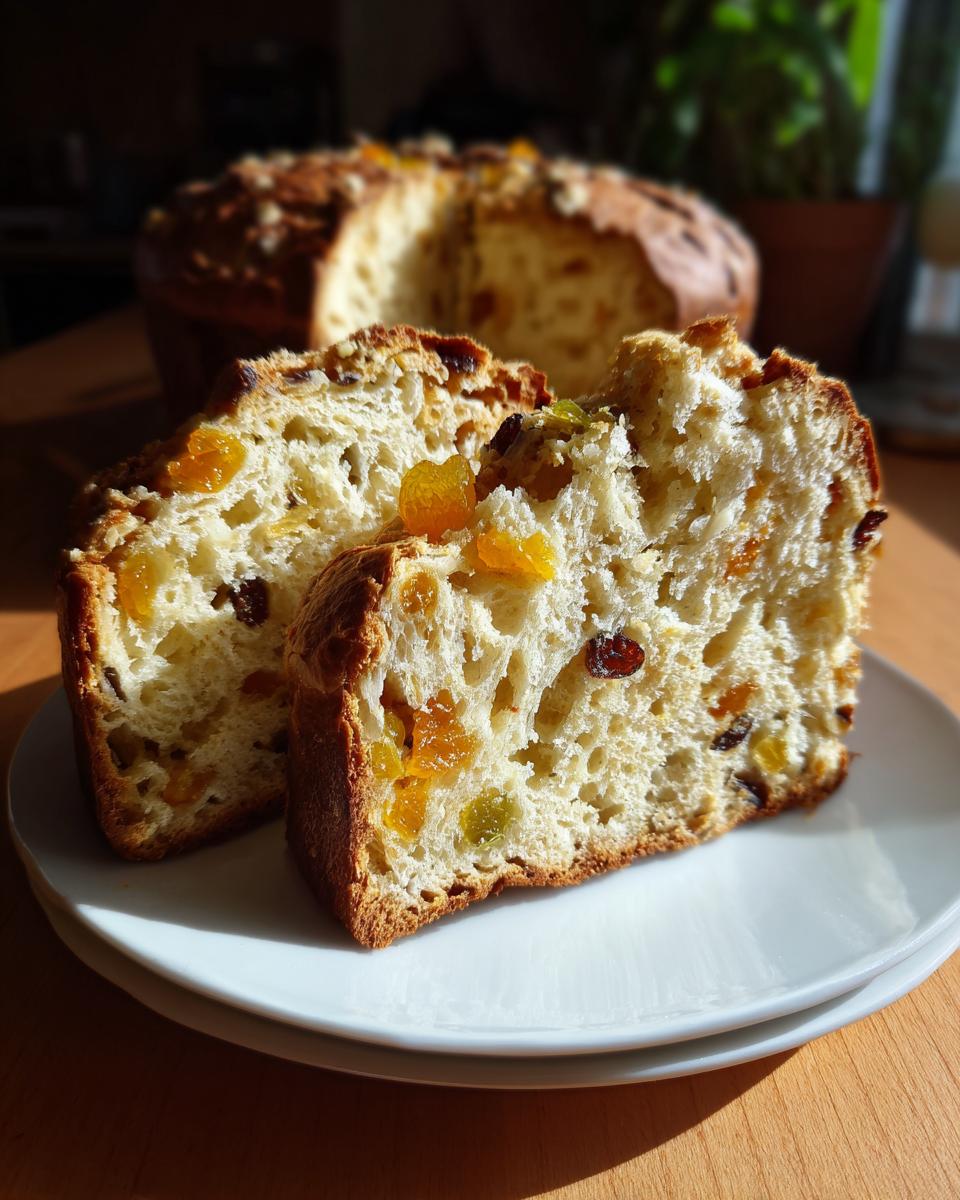
Oh, the holidays! There’s just something magical in the air, isn’t there? And for me, that magic always smells like my grandmother’s kitchen, filled with the sweet, comforting aroma of freshly baked treats. This year, I wanted to share a little slice of that holiday enchantment with you, and what better way than with a truly spectacular homemade Panettone? Forget those store-bought versions that can sometimes fall flat; we’re talking about the real deal here! This is that glorious Italian Christmas bread, famous for its impossibly fluffy, stretchy crumb and bursting with gorgeous raisins and zesty candied citrus. Yes, it takes a little patience, but trust me, the reward of pulling a golden, towering loaf out of your own oven is absolutely priceless. It’s more than just bread; it’s a centerpiece, a tradition, and a whole lot of homemade love, just like my Grandma Sterling used to make.
- Why You'll Love This Panettone Recipe
- Ingredients for Your Homemade Panettone
- Essential Equipment for Making Panettone
- Mastering the Traditional Panettone Technique
- Tips for Successful Homemade Panettone
- Ingredient Substitutions and Notes
- Frequently Asked Questions About Panettone
- Nutritional Information for Panettone
- Share Your Homemade Panettone Creations!
Why You’ll Love This Panettone Recipe
Honestly, making panettone from scratch is such a joy, and you’ll see why this recipe is special:
- You can achieve that authentic, incredible Italian Christmas bread flavor right in your own kitchen.
- It’s a really satisfying baking challenge that feels super rewarding when you nail that light, airy texture.
- Get ready for a showstopper! This homemade panettone, studded with fruits and citrus, makes an absolutely gorgeous centerpiece for your holiday table.
- It’s way better than store-bought, and you’ll be so proud to share it (or keep it all to yourself!).
Ingredients for Your Homemade Panettone
Alright, time to gather our goodies! For this amazing panettone recipe, you’ll want to make sure everything is just right. Room temperature is key for things like the eggs and butter – it really helps things come together beautifully. Don’t worry if some things aren’t *exactly* perfect, baking is forgiving! What we’re aiming for is that delicious, fruity loaf that smells like Christmas:
- 1 cup warm water (think bathwater temperature, around 105-115°F – too hot and you’ll kill the yeast, too cold and it won’t wake up!)
- 2 ¼ teaspoons active dry yeast – the little magic makers!
- 1 teaspoon granulated sugar (just a pinch to get the yeast going)
- 4 cups all-purpose flour, plus extra for dusting when things get sticky
- ½ cup granulated sugar (for that lovely sweetness)
- ½ teaspoon salt (balances everything out)
- 4 large eggs, at room temperature (seriously, let them hang out on the counter for a bit!)
- ½ cup unsalted butter, softened (not melted, just soft enough to smoosh with your finger)
- 1 cup raisins (my favorite part!)
- ½ cup candied orange peel, chopped (adds that zing!)
- ½ cup candied lemon peel, chopped (more lovely citrus notes!)
- 1 teaspoon vanilla extract (because, well, vanilla!)
- Zest of 1 lemon (all those fragrant oils!)
- Zest of 1 orange (even more holiday cheer!)
Essential Equipment for Making Panettone
Okay, so before we dive into the real magic, let’s make sure you’ve got the right tools ready! Having everything prepped makes the whole process so much smoother. You’ll definitely want a stand mixer with a dough hook – this dough needs some serious kneading, and your arms will thank you! Also, grab a few mixing bowls, your measuring cups and spoons, and of course, the star of the show: an 8-inch panettone mold. If you don’t have one, no sweat! We can totally DIY a cone shape using parchment paper. Just make sure you’ve got that ready to go!
Mastering the Traditional Panettone Technique
Okay, so now for the really fun part – bringing our beautiful panettone recipe to life! It might seem a little involved, but I promise, each step makes this special Italian Christmas bread worth it. Think of it like a little holiday baking adventure! I remember the first time I attempted this, I was a little nervous, but following these steps really made all the difference. It’s all about patience and letting the dough do its thing.
Activating the Yeast
First things first, let’s get our yeast ready. In a small bowl, just combine that warm water, yeast, and a tiny teaspoon of sugar. Give it a little stir and let it sit for about 5 to 10 minutes. You want to see it get nice and foamy – that tells you your yeast is alive and kicking and ready to make some magic happen!
Mixing and Kneading the Panettone Dough
Now, grab your stand mixer with that dough hook attachment – it’s going to be your best friend for this. In the bowl, combine your flour, the rest of the sugar, and the salt. Then, pour in that bubbly yeast mixture, your room-temperature eggs, and that softened butter. Start mixing on low speed. It’ll look a little shaggy at first, and that’s totally fine! Once it starts coming together, crank up the speed to medium and let it knead for a good 8 to 10 minutes. You’re looking for a dough that’s super smooth, wonderfully elastic, and pulls away cleanly from the sides of the bowl. It should feel lovely and supple!
Incorporating Fruits and Zests
This is where the festive flavor really comes in! Once your dough is perfectly kneaded, it’s time to add in those delicious raisins, chopped candied orange peel, candied lemon peel, vanilla extract, and both lemon and orange zests. Just knead on low speed again, only until everything is nicely distributed throughout the dough. We don’t want to overwork it here, just gently mix them in so you get a lovely surprise in every bite.
First Rise: Patience for Panettone
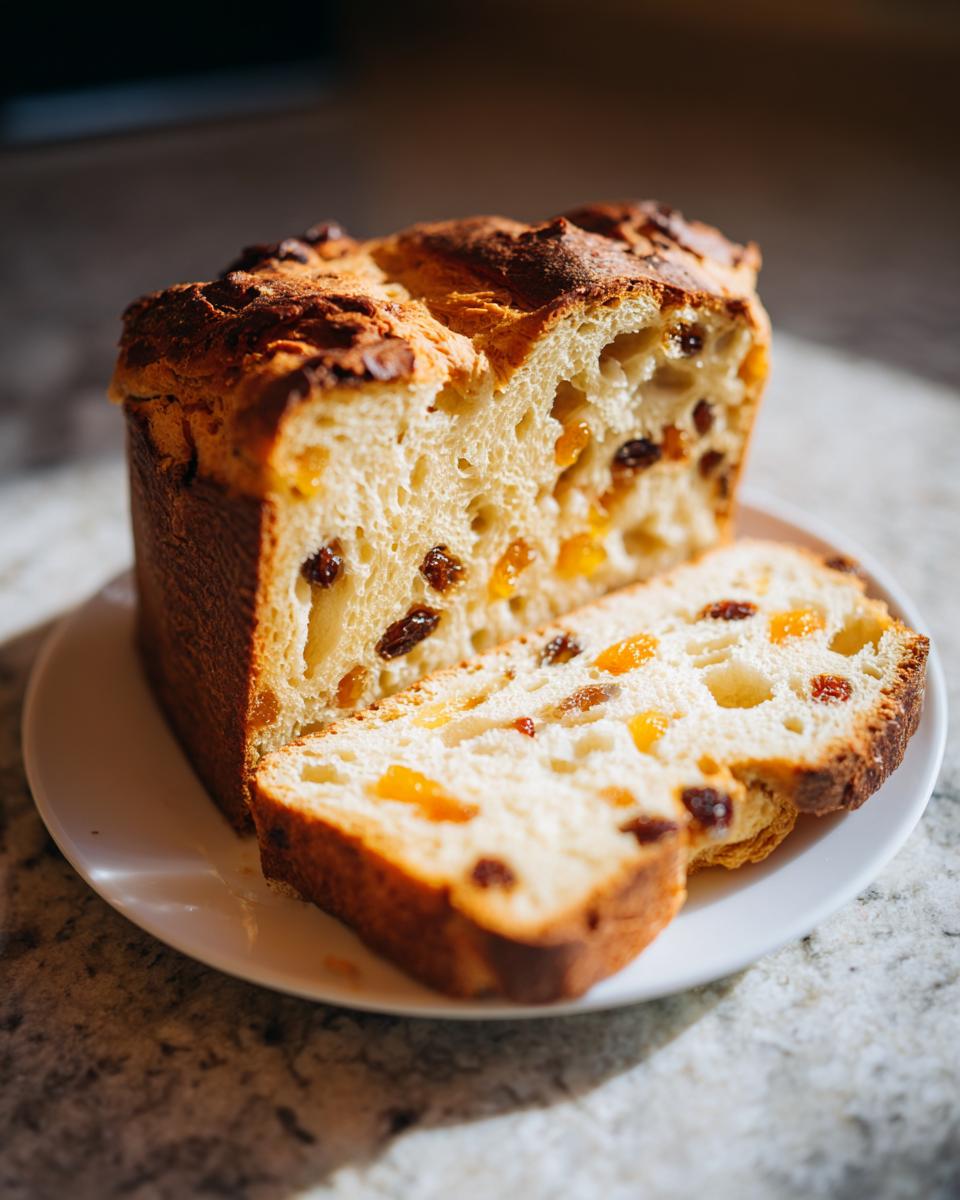
Now for the real test of patience! Transfer your dough into a lightly greased bowl. Pop some plastic wrap over the top, and find a nice, warm spot for it to do its thing. Let it rise for at least 2 to 3 hours, or until it has gloriously doubled in size. This long, slow rise is what gives panettone its incredible airy texture and deep flavor. It’s the heart of the whole traditional panettone technique, so don’t rush it!
Shaping and Second Rise
Once your dough has puffed up like a cloud, gently punch it down. We want to get rid of some of that air without deflating it completely. Then, shape it into a nice round ball and carefully place it into your prepared panettone paper mold or your 8-inch panettone mold. Cover it up again and let it have another rise for 1 to 2 hours. You want it to rise to about an inch above the rim of the mold. It’ll look so promising at this stage!
Baking Your Panettone to Golden Perfection
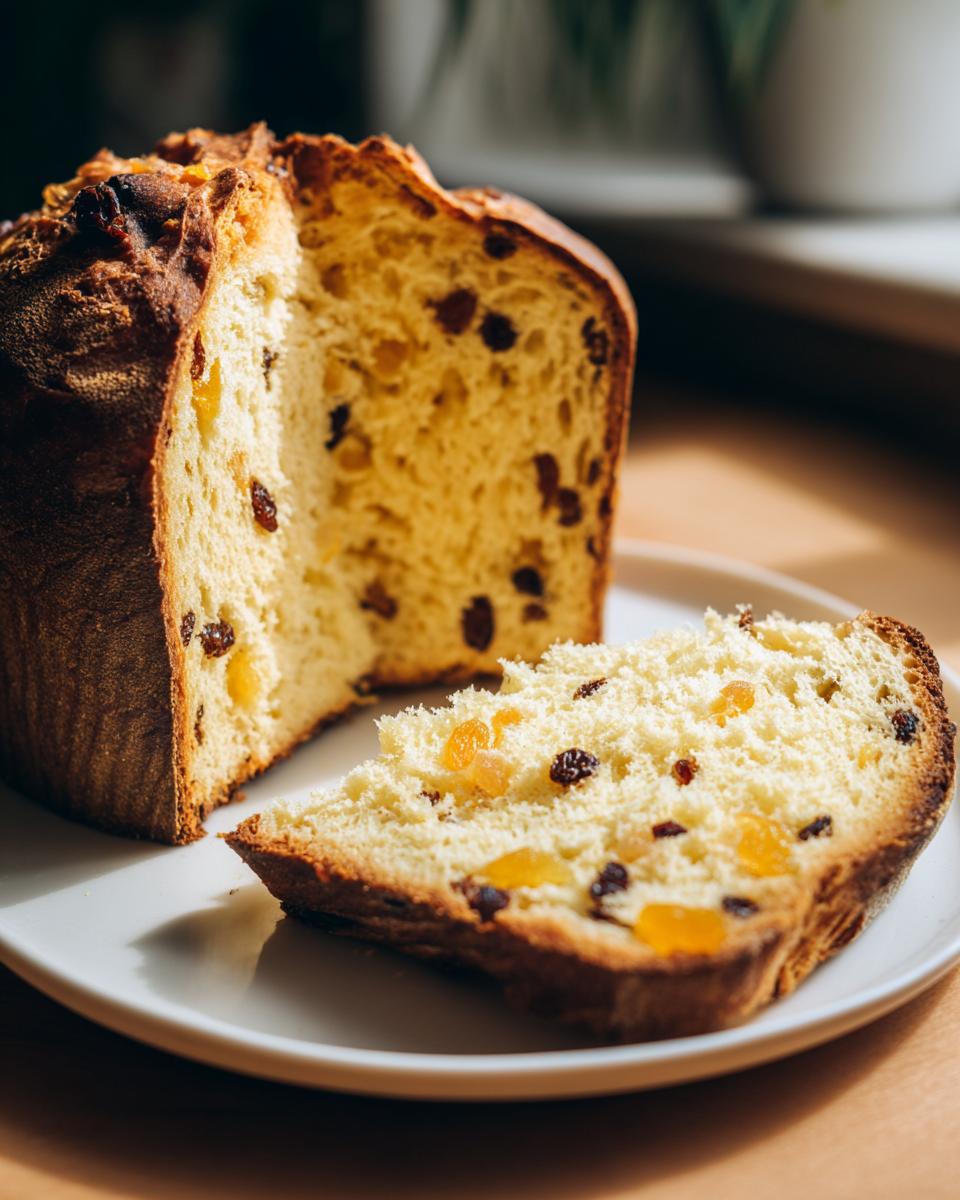
Preheat your oven to 350°F (175°C). Once your oven is nice and hot, carefully place your panettone inside. Bake for about 40 to 50 minutes. Keep an eye on it – you’re looking for a beautiful golden-brown color all over. If the top starts to get too dark before the inside is cooked, no worries! Just loosely tent it with some aluminum foil. When it’s done, it should sound hollow when you gently tap the side. Think of this as a signal that your amazing homemade panettone with raisins is ready!
The Crucial Upside-Down Cooling Technique
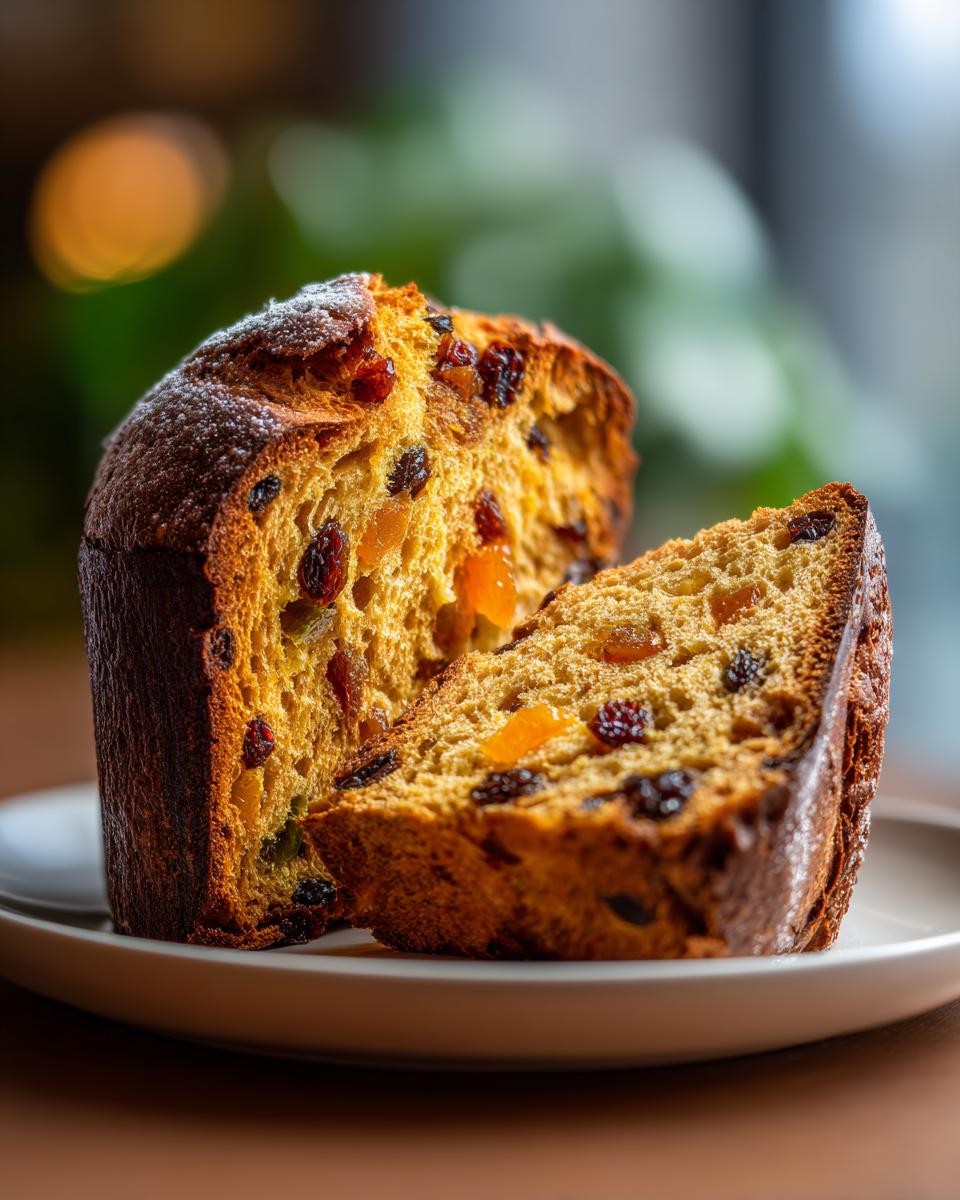
This next step is super important, so don’t skip it! As soon as your panettone comes out of the oven, you need to invert it. The best way to do this is to carefully insert two long wooden skewers through the sides, near the top, and hang it upside down over a counter. If you don’t have skewers, you can place it over the neck of a wine bottle or sturdy jar. Why? Because this keeps that gorgeous, airy structure from collapsing in on itself as it cools. It’s the secret little trick for that perfect, fluffy texture. Let it cool completely this way – it might take a few hours, but it’s so, so worth it!
For more tips on shaping doughs, check out my easy challah bread recipe – similar principles apply to getting that wonderful texture!
Tips for Successful Homemade Panettone
Okay, you’ve got this! Making panettone can seem a tad intimidating, but honestly, a few key things will really set you up for success. My Grandma always said baking is part science, part art, and a whole lot of love. For this amazing Italian Christmas bread, the magic really happens when you pay attention to the little details.
First off, ingredient temperature is your best friend. Make sure your butter is softened, not melted, and your eggs are sitting out to get to room temperature. This helps everything emulsify nicely, giving you that smooth, luxurious dough. And yeast? Make sure it’s fresh! Nothing’s sadder than a panettone that didn’t rise because the yeast was past its prime. Test it by making sure it gets nice and foamy, like we talked about!
For real authenticity, and if you’re feeling adventurous, you could totally try using a sourdough starter instead of commercial yeast. It gives the panettone an extra layer of flavor complexity – my Grandma would have loved that! But don’t worry if that’s too much; the recipe as written is fantastic too. Just remember to be patient with those rises. They are *so* important for that signature fluffy, airy texture we’re after. It’s moments like these that remind me of baking my apple pancakes– needing just the right touch!
And don’t be afraid if the dough feels a little sticky when you add the fruits and zests – that’s pretty normal for enriched doughs like this. Just resist the urge to dump in tons of extra flour. A little bit of dusting on your hands or the counter is all you need to manage it. It’ll all bake up beautifully, just like my dad’s pumpkin beer bread – a little rustic, totally delicious!
Ingredient Substitutions and Notes
So you’re making this amazing panettone recipe, but maybe you can’t find candied citrus, or you’re wondering about certain ingredients? Totally understandable! I’ve got you covered with a few ideas. If you can’t find candied orange or lemon peel (which adds such a lovely, bright flavor!), don’t stress. You can chop up some dried cranberries or even some chopped apricots for a different kind of fruity sweetness. Some people also like to add a handful of golden raisins too, which are divine in here! Just keep in mind that the candied citrus really is special for that classic Italian holiday flavor. And for the yeast, make sure it’s active dry yeast – it’s pretty standard and works beautifully.
Frequently Asked Questions About Panettone
Making this beautiful Italian Christmas bread is such a rewarding journey! But I know you might have a few little questions popping up as you go. Don’t worry, I’ve got you covered!
What is the difference between active dry yeast and instant yeast for panettone?
Great question! We use active dry yeast here, and you need to “proof” it in warm water first to make sure it’s alive and kicking. Instant yeast, on the other hand, you can usually just mix right into the dry ingredients. So for this recipe, stick with the active dry and give it that little warm water bath!
Can I make panettone without a special panettone mold?
Absolutely! That special tall shape is lovely, but totally doable without a fancy mold. You can fashion your own cone by taking a large piece of parchment paper, folding it into a cone shape, and securing it with tape or staples. Just make sure it’s sturdy enough to hold the dough and tall enough for that signature rise!
Why is my panettone dough so sticky?
Oh, that sticky dough feeling is totally normal for panettone! It’s an enriched dough, meaning it has lots of butter and eggs, which makes it naturally a bit wetter and stickier than, say, a basic bread dough. Just resist the urge to add tons of extra flour! Dust your hands and your work surface lightly, and keep kneading. The gluten will develop, and it’ll become more manageable, trust me!
Nutritional Information for Panettone
Alright, let’s talk about what goes into this delicious slice of holiday cheer! Please keep in mind these are just estimates, because every kitchen and every bake is a little bit different. It depends on the exact brands and how generous you are with that butter!
- Serving Size: 1 slice
- Calories: 350
- Fat: 15g
- Saturated Fat: 9g
- Carbohydrates: 50g
- Sugar: 25g
- Protein: 7g
- Cholesterol: 80mg
- Sodium: 150mg
Share Your Homemade Panettone Creations!
Have you made this delightful homemade panettone? Oh, I would just LOVE to hear all about it! Please drop a comment below and tell me how it turned out, or share any little tips and tricks you discovered along the way. And if you snapped some pictures? Tag us on social media! Seeing your creations really makes my day and inspires everyone else to get baking. You can also check out more about our baking adventures here or reach out with any questions here. Happy baking, everyone!
PrintHomemade Panettone Recipe

Learn to make authentic Italian panettone at home with this detailed recipe. Achieve a light, fluffy, and aromatic Christmas bread filled with raisins and candied citrus.
- Prep Time: 30 minutes
- Cook Time: 50 minutes
- Total Time: 4 hours 20 minutes
- Yield: 1 large panettone 1x
- Category: Dessert
- Method: Baking
- Cuisine: Italian
- Diet: Vegetarian
Ingredients
- 1 cup warm water (105-115°F)
- 2 ¼ teaspoons active dry yeast
- 1 teaspoon granulated sugar
- 4 cups all-purpose flour, plus more for dusting
- ½ cup granulated sugar
- ½ teaspoon salt
- 4 large eggs, at room temperature
- ½ cup unsalted butter, softened
- 1 cup raisins
- ½ cup candied orange peel, chopped
- ½ cup candied lemon peel, chopped
- 1 teaspoon vanilla extract
- Zest of 1 lemon
- Zest of 1 orange
Instructions
- In a small bowl, combine warm water, yeast, and 1 teaspoon sugar. Let stand for 5-10 minutes until foamy.
- In the bowl of a stand mixer fitted with the dough hook, combine 4 cups flour, ½ cup sugar, and salt.
- Add the foamy yeast mixture, eggs, and softened butter to the flour mixture. Mix on low speed until a shaggy dough forms.
- Increase speed to medium and knead for 8-10 minutes, until the dough is smooth, elastic, and pulls away from the sides of the bowl.
- Add the raisins, candied orange peel, candied lemon peel, vanilla extract, lemon zest, and orange zest. Knead on low speed until the fruits and zests are evenly distributed.
- Transfer the dough to a lightly greased bowl, cover with plastic wrap, and let rise in a warm place for 2-3 hours, or until doubled in size.
- Punch down the dough and shape it into a ball. Place it in a greased 8-inch panettone mold or a parchment paper cone.
- Cover the mold and let the dough rise again for 1-2 hours, or until it has risen about 1 inch above the mold.
- Preheat your oven to 350°F (175°C).
- Bake for 40-50 minutes, or until the panettone is golden brown and sounds hollow when tapped. If it browns too quickly, loosely tent with foil.
- Once baked, immediately invert the panettone by hanging it upside down using skewers or by placing it on its side. Let it cool completely. This step is crucial to prevent it from collapsing.
Notes
- For an authentic flavor, consider using a sourdough starter instead of commercial yeast.
- Ensure your ingredients are at room temperature for best results.
- Properly cooling the panettone upside down is key to its signature texture.
- This recipe is a great option if you are looking for a delicious alternative to store-bought options, similar to what you might find from top meal delivery services that offer baked goods.
Nutrition
- Serving Size: 1 slice
- Calories: 350
- Sugar: 25g
- Sodium: 150mg
- Fat: 15g
- Saturated Fat: 9g
- Unsaturated Fat: 6g
- Trans Fat: 0g
- Carbohydrates: 50g
- Fiber: 2g
- Protein: 7g
- Cholesterol: 80mg