


Oh, I have to tell you about this soup. You know how sometimes a regular vegetable soup just tastes… fine? Like it’s missing that extra hug you crave on a chilly evening? Well, that all changes when you give your veggies a little hot vacation first! This roasted vegetable soup is my absolute favorite comfort food because all that caramelization they get in the oven builds such a deep, almost sweet base flavor. It transforms humble carrots and squash into something truly magnificent. It reminds me of gathering my family around the table on a damp New England afternoon, pulling something deeply nourishing out of the oven. Trust me, once you try roasting your ingredients for this easy homemade vegetable soup, you’ll never go back to just boiling things again! If you love tomato flavors too, you should check out my classic tomato soup recipe for another easy weeknight winner.
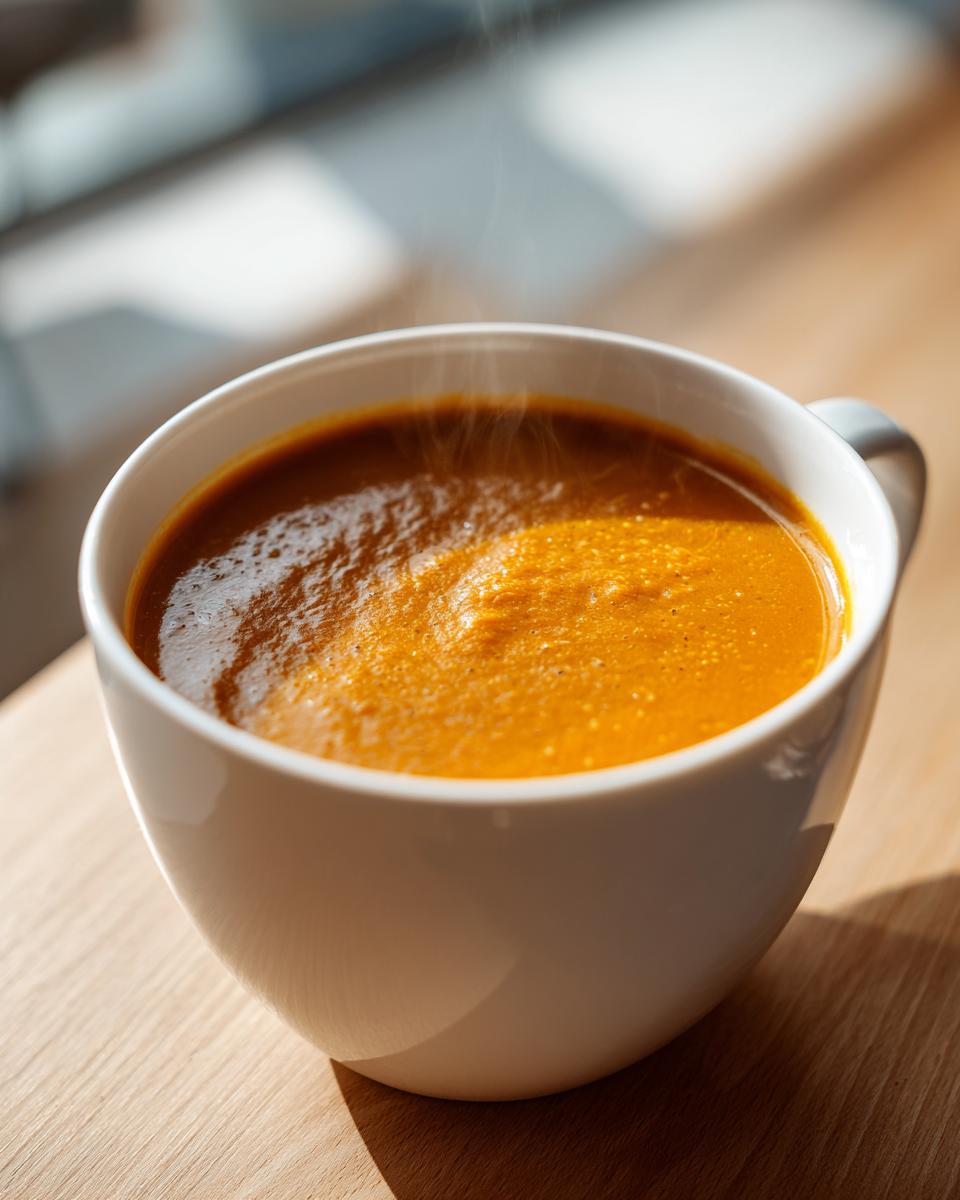
- Why This Hearty Roasted Vegetable Soup Recipe Works So Well
- Ingredients for Your Roasted Vegetable Soup
- How to Prepare Your Flavorful Blended Vegetable Soup
- Tips for Success with Roasted Vegetable Soup
- Variations on Your Roasted Vegetable Soup Recipe
- Serving Suggestions for Comfort Food Vegetable Soup
- Storage and Reheating Your Roasted Vegetable Soup
- Frequently Asked Questions About How to Make Vegetable Soup From Roasted Ingredients
- Nutrition Snapshot for This Easy Homemade Vegetable Soup
Why This Hearty Roasted Vegetable Soup Recipe Works So Well
I know we’re all busy, and sometimes just throwing everything into a pot feels like the only option for dinner. But when I developed this hearty roasted vegetable soup recipe, I wanted depth. I wanted the kind of powerful, savory flavor that makes you stop everything else you’re doing just to take another spoonful. Boiling vegetables just steams them—it keeps them tasting bright, which is great for a side dish, but it doesn’t build character.
Roasting is the magic trick here. It takes the natural sugars in the carrots and squash and gently browns them, giving you incredible tips for intensely flavored soup that tastes like it simmered all day long, even though it doesn’t! It’s basically a shortcut to deeply satisfying comfort food.
Here’s why this technique is my go-to, especially when the weather turns cool:
- The incredible depth of flavor. Roasting concentrates the vegetable essence. We’re talking next-level savory goodness!
- Less hands-on time during the active cooking phase. Once they’re in the oven, you can clean up or just relax. Talk about easy homemade vegetable soup preparation!
- It’s perfect for using up those sturdy winter veggies. Think of it as your ultimate nutritious roasted root vegetable soup base.
- The aroma while roasting is just divine. Seriously, it fills the whole house with warmth!
If you like adding a little zing to your root vegetable mixes, you absolutely have to see my carrot ginger soup recipe next. For another amazing winter dish using this roasting technique, check out my guide on nutritious roasted root vegetable soup combinations.
Ingredients for Your Roasted Vegetable Soup
This list is simple, but please don’t mix up your prep before roasting! Getting the cuts right means everything cooks evenly, giving you the best results for this homemade soup. I’ve included the heavy cream here, but remember, if you’re making a fully plant-based batch, you can skip it—it’s just for that extra velvety mouthfeel.
- 3 large carrots, peeled and chopped
- 2 medium yellow onions, quartered
- 2 cups butternut squash, cubed
- 1 pound ripe tomatoes, halved
- 1 whole head garlic, top sliced off (don’t peel the cloves, just slice the top off!)
- 3 tablespoons olive oil
- 1 teaspoon dried thyme
- 1/2 teaspoon dried rosemary
- 1 teaspoon salt
- 1/2 teaspoon black pepper
- 6 cups low-sodium vegetable broth
- 1 bay leaf
- 1/2 cup heavy cream (Optional, for that wonderful creamy pureed vegetable soup texture!)
If you are obsessed with squash in the fall like I am, you should definitely peek at my butternut squash soup recipe next for more inspiration!
How to Prepare Your Flavorful Blended Vegetable Soup
Alright, this is where the magic really happens! Following these steps correctly ensures you capture every bit of that intense vegetable sweetness we talked about. Don’t rush the roasting; that surface browning is what makes this a rich, flavorful blended vegetable soup instead of just steamed vegetables in broth. Trust me, once you see the color of those veggies after they come out of the oven, you’ll understand why I champion this cooking method for roasted vegetable soup!
Step 1: Roasting the Vegetables for Maximum Flavor
First things first, crank that oven up! We need a good, hot temperature to get those sugars dancing. Preheat your oven to 400 degrees Fahrenheit. Line up all your prepped veggies—carrots, onions, squash, and those halved tomatoes—on a nice big baking sheet. Make sure they aren’t piled on top of each other; they need space for air to circulate so they roast instead of steam! Drizzle everything generously with that olive oil, then sprinkle on your thyme, rosemary, salt, and pepper. Toss it all with your hands until everything is shimmering and coated. Pop that tray in for about 30 to 35 minutes. You’re looking for tender edges and a gorgeous, slightly dark caramelization on the outside. That color is flavor, folks!
Step 2: Simmering and Blending the Roasted Vegetable Soup
When they look perfectly browned, pull them out. Now for my favorite bit of kitchen theater: Take that head of garlic you sliced the top off of—it will be incredibly soft! Hold it over your pot and literally squeeze the sweet, roasted garlic pulp right out of the skin into the bottom. Isn’t that satisfying? Add all those gorgeous roasted vegetables right in after it. Now, pour in the 6 cups of vegetable broth and drop in that single bay leaf. Bring that whole lovely mess to a gentle simmer over medium heat for about 10 minutes. This lets the broth taste everything the veggies have been roasting up! Once it simmers, fish out that bay leaf so nobody gets a surprise later. Now you choose your texture journey! If you want that smooth, velvety finish, use your immersion blender right in the pot for a truly creamy pureed vegetable soup. If you prefer it chunky, just grab a sturdy potato masher and give it a good workout. Finally, if you want that extra richness, stir in the optional heavy cream now, warming it through, but please, don’t let it get back up to a hard boil!
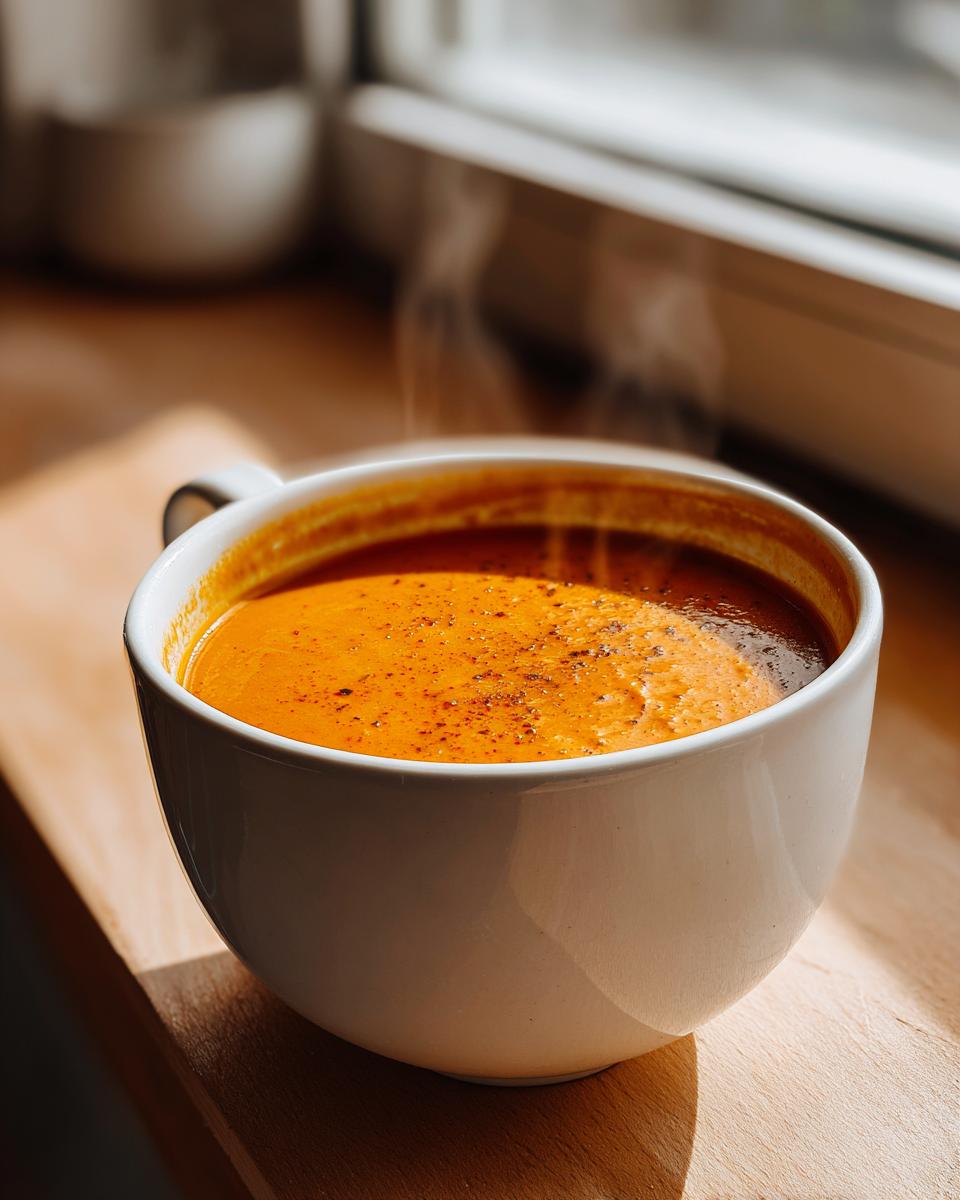
If you’re looking for other ideas on blending techniques, my simple blended soup tutorial has all the know-how! And for something heartier that still uses that simmering technique, I have a wonderful lentil soup recipe you might love.
Tips for Success with Roasted Vegetable Soup
Okay, so you’ve roasted everything beautifully and blended it up—but we’re not quite finished! This is where the home cook intuition—that little bit of magic I learned from hours in the kitchen—comes in. Getting the texture just right and nailing the final seasoning can take this from a good soup to an absolutely unforgettable bowl of comfort food vegetable soup.
First, let’s talk texture. I personally lean toward the smooth side for this recipe. When you use an immersion blender, you get that beautifully uniform base that just melts in your mouth. But if you’re really craving something heartier, don’t be afraid to use a potato masher! You want to leave some nice, soft chunks so you get that satisfying bite, especially with those sweet roasted carrots. Just make sure you mash just after simmering, before the soup cools too much, or everything gets a bit too firm.
The most crucial step after blending is tasting for salt. Roasting vegetables concentrates their natural flavor, but stock can vary wildly in its salt levels. After you blend, taste a spoonful. Does it taste a little flat? Add a pinch of salt. A little more pepper? That’s the time to adjust. Don’t salt the whole pot incrementally; taste first, then season confidently!
And on the subject of broth—this is essential for a truly savory roasted veggie broth soup. Because we rely on the roasted vegetables for sweetness, the broth is there to add depth and complexity, not just wateriness. Using a low-sodium vegetable broth is my preference here because it lets me control the salt, but make sure it’s a broth you actually *like* the taste of. Low quality broth will absolutely ruin all the hard work you did roasting those veggies! If you want to see how I rely on broth for flavor in other ways, check out my deep dive on how to make a truly savory roasted veggie broth soup base.
Variations on Your Roasted Vegetable Soup Recipe
One of the best parts about having a foundational recipe like this roasted vegetable soup is how wonderfully adaptable it is! It’s like a blank canvas ready for whatever is fresh in the garden or lingering in your pantry. I love tweaking it throughout the year, leaning into what’s available seasonally for the best flavor.
If you need to swap out ingredients because you don’t have butternut squash on hand, please don’t worry! You can absolutely use sweet potatoes or even parsnips instead. They roast up beautifully and offer a similar sweet earthiness. You’ll still get that amazing depth that makes this recipe stand out. Remember, the technique matters more than the exact vegetable list!
Making it a Vegan Roasted Vegetable Soup
This is such an easy switch, and honestly, it’s just as hearty and delicious! If you want to stick strictly to vegan roasted vegetable soup ideas, you just need to skip the heavy cream we mentioned earlier. That’s it! The roasted veggies and rich broth are already packed with so much flavor that you won’t miss the dairy at all.
If you used beef or chicken broth previously (maybe for a different recipe!), just make sure you swap that for a high-quality vegetable broth for vegan satisfaction. If you find the blended soup isn’t quite rich enough without the cream, try adding about half a cup of full-fat coconut milk at the very end instead. It melts right in and gives a beautiful, silky finish!
Adding Grains for a Heartier Winter Vegetable Soup Guide
When I’m feeding a crowd or just need something that sticks to your ribs through a particularly cold snap, I turn this into a full meal by adding a grain during the simmering stage. This makes it the ultimate winter vegetable soup guide addition to your rotation. Grains soak up all that amazing broth flavor!
Try adding 1/2 cup of the following, along with the broth in Step 2:
- Barley: Use pearl barley for a chewier texture that holds up well.
- Farro: This has a lovely nutty flavor that pairs wonderfully with the herbs we used.
- Quinoa: Rinse it well first! It cooks quickly and adds a protein boost.
If you add grains, just make sure you cook them until they are tender—you might need to simmer for an extra 15 to 20 minutes, depending on what you choose. If you’re curious about other hearty veggie options, I just published a great guide on vegan roasted vegetable soup ideas that includes ideas for making the meal heavier!
Serving Suggestions for Comfort Food Vegetable Soup
Now that you have this wonderfully rich, deeply flavored roasted vegetable soup ladled piping hot into your favorite bowls, what do you serve with it? For me, a soup this luxurious demands specific accompaniments. It’s not the kind of simple broth you just sip down quickly; this is a destination meal, truly the ultimate comfort food vegetable soup!
When I serve this, I basically insist that everyone has a sturdy dipping partner. It doesn’t matter if it’s a weeknight or if I’m having friends over—the texture demands something crispy or crusty to scoop up every last bit of pureed goodness.
The Perfect Dipping Companions
You have so many great options here, but these are the ones that always make the meal feel complete for me:
- Crusty Sourdough or French Bread: This is non-negotiable if you’re blending the soup smooth. You need those big, uneven holes to soak up the savory liquid. A little smear of good quality salted butter on the bread just before serving? Perfection.
- A Classic Grilled Cheese: Honestly, what is better than dunking a crispy, cheesy sandwich into a warm bowl of rich vegetable soup? It’s the childhood dream revived! I just made a batch of my favorite cheddar and Gruyère version, and I have the recipe right here if you need a reminder on how to get that perfect golden crust: grilled cheese sandwich recipe.
- Garlic Croutons: If you don’t want bread, make your own croutons! Just cube up some day-old bread, toss it with olive oil, dried garlic powder, and a pinch of salt, and bake them while the soup simmers until they are rock hard. They add a fantastic crunch right on top.
- A Light, Bright Side Salad: Sometimes you need a little counterpoint to the richness. A super simple Arugula salad tossed with lemon juice, olive oil, and shaved parmesan cuts through the sweetness of the roasted carrots and squash beautifully.

The beauty of this roasted vegetable soup is that it pairs well with almost anything because the roasting process gives it such a complex flavor profile!
Storage and Reheating Your Roasted Vegetable Soup
Oh, I’m so glad you asked about storing this! That’s the mark of a great soup recipe—one that tastes just as good tomorrow as it does today. Since this roasted vegetable soup is so packed with flavor, having leftovers is like finding a little treasure in the fridge later in the week. It’s one of my favorite ways to handle a quick weeknight vegetable soup backup plan!
You can confidently store the leftovers in an airtight container in the refrigerator for up to 4 days. Because we roasted everything first, the texture tends to hold up beautifully over time, which means you don’t end up with sad, watery soup the next day.
Refrigerator Leftovers and Reheating Creamy Soup
If you added that optional heavy cream to make it a creamy pureed vegetable soup, you need to be a little gentler when reheating. Dairy and high heat are funny together, right? When you take it out of the fridge, the soup will definitely have thickened up—it’s almost like Jell-O sometimes! That’s totally normal.
To reheat stored soup, always use a medium-low heat on the stovetop. Stir frequently! You want it to warm up slowly and evenly. If it seems too thick after warming, don’t panic! Just add a splash or two of extra vegetable broth or even just plain water until you get that perfect consistency back. Remember, never let soup with cream come to a rolling boil after you put the cream in; just heat it until it’s steaming hot and ready to eat.
Freezing Your Roasted Vegetable Soup Base
This soup freezes like a dream, but here’s my essential tip: If you plan on freezing it, leave the heavy cream out completely. You can always add the cream later when you reheat your portion!
Freeze the soup base (just the vegetables and broth) in heavy-duty freezer bags or sturdy containers. Make sure you leave at least an inch of space at the top of the container, because liquids expand when they freeze! I find that freezing it in single or double-serving sizes is best, so you only thaw what you need for a cozy meal. When you’re ready to eat, just thaw it overnight in the fridge, transfer it to a pot, and reheat gently on the stove, adding that cream back in if you like!

If you want more great tips on making sure your weeknight meals are ready when you are, make sure you check out my full guide for a quick weeknight vegetable soup!
Frequently Asked Questions About How to Make Vegetable Soup From Roasted Ingredients
It’s totally normal to have questions creep up when you’re trying a new technique, especially one that seems so fundamental but acts as the base for everything else! I get asked these questions all the time when people start making this roasted vegetable soup for the first time. Don’t feel shy about asking; working out these little details is what turns a good cook into a great one!
Can I use sweet potatoes instead of butternut squash?
Absolutely, use what you love! Sweet potatoes are fantastic in this soup. They roast up even sweeter than squash, which is delicious. Just make sure you chop them into pieces roughly the same size as the carrots. Since sweet potatoes are a little denser, sometimes they take 3 to 5 minutes longer to get perfectly tender in the oven, so just give them a quick poke with a fork to check before you pull the sheet out. It makes a wonderful variation for your nutritious roasted root vegetable soup!
How do I make this soup thicker if I prefer it quite dense?
That’s a great question if you love a really chunky texture or if you decided to skip the cream! If you want your flavorful blended vegetable soup to be super satisfying and thick, you have two great options after blending. First, you can simply simmer the blended soup for an extra 10 to 15 minutes *without* the lid on. That gentle evaporation helps thicken it naturally. Secondly, for next time, add a few more high-starch vegetables, like parsnips, or add 1/2 cup of uncooked white rice or orzo during the simmering stage. They cook right in the broth and dissolve a bit, creating a natural thickener, turning it into a real comfort food vegetable soup!
Can I skip the roasting step for a quicker meal?
Oh, honey, you *can*, but I really, really advise against it if you’re aiming for *this* recipe’s results! Skipping the roast is what turns this into a standard, boiled vegetable soup. The purpose of this entire recipe is centered around that high-heat caramelization. If you’re truly pressed for time, you could technically simmer the raw vegetables for much longer (maybe 30-40 minutes) before blending, but you will lose that deep, roasted sweetness—that’s the core of the whole flavor profile we worked so hard to build!
What’s the best liquid if I want a savory roasted veggie broth soup base that isn’t just broth?
That’s such an insightful question! If you want that luxurious, deeply savory flavor that feels like it took hours from a professional kitchen, you can replace about half of your vegetable broth requirement with something richer. My favorite trick for boosting the savory notes is swapping half the broth for high-quality bone broth—chicken or beef works wonderfully if you aren’t keeping it vegetarian. For a purely vegetable-based enhancement, try using mushroom broth; it brings an earthy umami that mimics that long-simmered flavor perfectly. I’ve put together some thoughts on building that depth in my post about roasted butternut squash soup variations, which really applies here too!
Nutrition Snapshot for This Easy Homemade Vegetable Soup
I’m always so happy when I can whip up something this flavorful that also packs a nice nutritional punch! This roasted vegetable soup is fantastic because it’s built on a mountain of vegetables, meaning fiber and vitamins are through the roof. Since we’re talking about comfort food that tastes incredible but doesn’t weigh you down, I wanted to share the estimated breakdown using the ingredients as listed—that means we’re counting the optional heavy cream in this snapshot, so keep that in mind!
Here are the approximate numbers per serving (about 1.5 cups). Remember, these are just estimates based on my recipe card, and the exact sodium or fat content can change wildly depending on the broth you choose or if you decide to go heavy on the olive oil during roasting!
Here is the snapshot for this delicious bowl of goodness:
- Serving Size: 1.5 cups
- Calories: 210
- Fat: 10g
- Saturated Fat: 4g
- Trans Fat: 0g
- Cholesterol: 15mg
- Sodium: 350mg (This is why I stress low-sodium broth!)
- Carbohydrates: 28g
- Fiber: 7g (Hello, happy digestion!)
- Protein: 5g
- Sugar: 12g (Mostly natural sugars from the carrots and squash—no refined sugar here!)
If you decide to skip the cream or use a lighter vegetable broth, you’ll see those numbers drop significantly! It just proves that your favorite easy homemade vegetable soup can fit into almost any eating plan. Enjoy every spoonful!
PrintHearty Roasted Vegetable Soup Recipe: Flavorful Blended Soup Tutorial

Make a deeply flavorful roasted vegetable soup using this simple recipe. Roasting the vegetables first creates an intense base for this easy homemade vegetable soup.
- Prep Time: 20 min
- Cook Time: 45 min
- Total Time: 65 min
- Yield: 6 servings 1x
- Category: Soup
- Method: Roasting and Simmering
- Cuisine: American
- Diet: Vegetarian
Ingredients
- 3 large carrots, peeled and chopped
- 2 medium yellow onions, quartered
- 2 cups butternut squash, cubed
- 1 pound ripe tomatoes, halved
- 1 head garlic, top sliced off
- 3 tablespoons olive oil
- 1 teaspoon dried thyme
- 1/2 teaspoon dried rosemary
- 1 teaspoon salt
- 1/2 teaspoon black pepper
- 6 cups low-sodium vegetable broth
- 1 bay leaf
- 1/2 cup heavy cream (optional, for creamy pureed vegetable soup)
Instructions
- Preheat your oven to 400 degrees Fahrenheit.
- Place the carrots, onions, squash, tomatoes, and the whole head of garlic on a large baking sheet.
- Drizzle the vegetables with olive oil. Sprinkle with thyme, rosemary, salt, and pepper. Toss everything to coat evenly.
- Roast for 30 to 35 minutes, or until the vegetables are tender and slightly caramelized. This step builds the intense flavor for your soup.
- Remove the baking sheet from the oven. Squeeze the soft roasted garlic pulp out of its skin into a large pot or Dutch oven. Add all the other roasted vegetables to the pot.
- Pour in the vegetable broth and add the bay leaf. Bring the mixture to a simmer over medium heat. Cook for 10 minutes to allow the flavors to combine.
- Remove the bay leaf. Use an immersion blender to blend the soup until smooth for a creamy pureed vegetable soup, or use a potato masher for a chunkier texture.
- If using, stir in the heavy cream. Heat through gently, but do not boil after adding cream.
- Taste and adjust salt and pepper as needed before serving your delicious fall vegetable soup.
Notes
- For a vegan roasted vegetable soup, simply omit the heavy cream or substitute it with 1/2 cup of full-fat coconut milk for richness.
- If you want a thinner consistency, add more vegetable broth until you reach your desired texture.
- Store leftover roasted vegetable soup in an airtight container in the refrigerator for up to 4 days.
Nutrition
- Serving Size: 1.5 cups
- Calories: 210
- Sugar: 12
- Sodium: 350
- Fat: 10
- Saturated Fat: 4
- Unsaturated Fat: 6
- Trans Fat: 0
- Carbohydrates: 28
- Fiber: 7
- Protein: 5
- Cholesterol: 15