

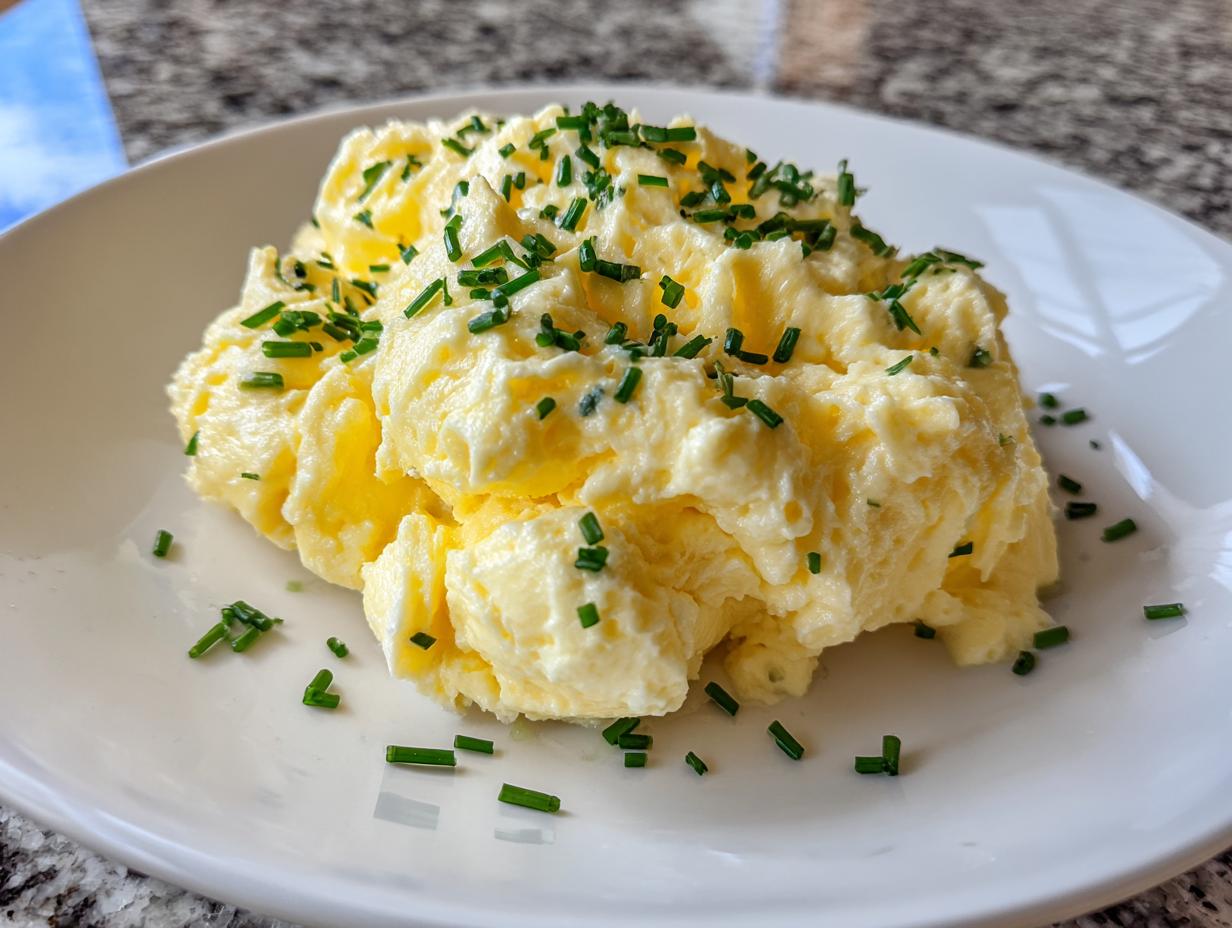
Oh, friends, let’s talk heartbreak. There is nothing sadder than a plate full of dry, rubbery eggs staring back at you when you were hoping for that perfect, custardy bite. I’ve been there, planning out my busy mornings only to be let down by a bad batch of scrambled eggs. But since leaving my fast-paced corporate life, I found my peace right here in my kitchen, figuring things out. That’s why I developed this recipe. It’s the ultimate guide to ridiculously creamy and fluffy scrambled eggs, achieved solely through the low-and-slow technique. Trust me, once you try this, you’ll never go back to cooking eggs quickly again. This is how Claire Sterling brings stillness and joy to her breakfast table.
- Why Our Low-and-Slow Method Creates the Best Scrambled Eggs
- Ingredients for Truly Creamy Scrambled Eggs
- Step-by-Step Instructions: How to Cook Eggs Perfectly
- Tips for Success When Making Scrambled Eggs
- Making Gourmet Breakfast at Home: Variations for Your Scrambled Eggs
- Storage and Reheating Instructions for Soft Scrambled Eggs
- Frequently Asked Questions About Fluffy Scrambled Eggs
- Pairing Your Scrambled Eggs with Simple Breakfast Meals
- Nutritional Snapshot for These Creamy Scrambled Eggs
- Share Your Homemade Comfort Food Creations
Why Our Low-and-Slow Method Creates the Best Scrambled Eggs
When most people make scrambled eggs, they turn up the heat because we’re all rushing in the morning. But that high heat is exactly what murders the texture! When you cook too fast, those delicate egg proteins seize up immediately, squeezing out all the moisture and leaving you with firm, almost squeaky curds. We want the opposite of that for the best scrambled eggs recipe!
My approach is to treat the eggs gently. We use consistently low heat—I mean really low—and we cook patiently. This slow process allows the butter to emulsify beautifully with the cream and the eggs, giving you that melt-in-your-mouth experience. It’s the difference between eating a rubber band and eating a cloud. Learning this technique has transformed my entire breakfast routine.
Achieving Fluffy Scrambled Eggs Technique Secrets
The secret to fluffiness actually happens before the eggs even hit the pan. You have to attack them in the bowl! We whisk them vigorously until they are perfectly frothy and light yellow. That means you’ve successfully incorporated tiny air bubbles into the liquid base. Those microscopic bubbles are what expand as they gently heat up, giving us that wonderful lift and airy structure.
Also, don’t skip the heavy cream! Fat equals flavor and tenderness. The cream coats the proteins, making them glide over each other instead of sticking and seizing. This combination of beating air in and bathing them in fat ensures we get those gorgeous, soft curds every single time.
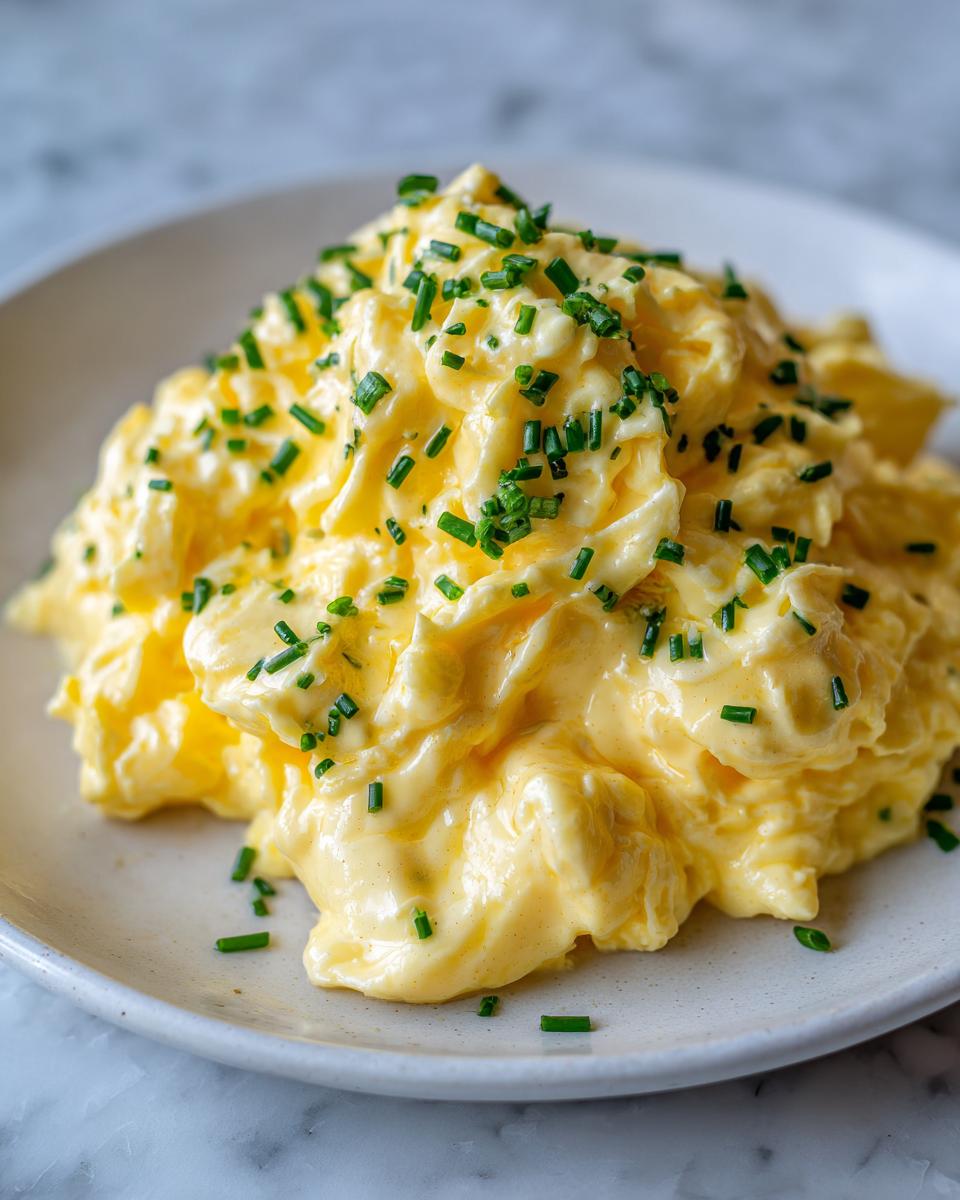
Ingredients for Truly Creamy Scrambled Eggs
Okay, now for the simple part! Since we are moving slowly with the cooking, we don’t need a mountain of ingredients. In fact, the fewer things you have in the pan, the more those high-quality components shine through. I want you to use the best eggs you can find—truly fresh ones make a huge difference here. Remember, this recipe is about technique, but good ingredients are the foundation of a gourmet breakfast at home. Here is what you’ll need for two servings that will change how you view breakfast forever.
- 4 large eggs (The freshest you can find!)
- 2 tablespoons unsalted butter (Use real butter, please!)
- 2 tablespoons heavy cream or half-and-half (Cream gives you that luxury texture)
- 1 pinch salt
- 1 pinch black pepper
- 1 teaspoon fresh chives, chopped (Optional, but it adds such a nice, bright finish)
Step-by-Step Instructions: How to Cook Eggs Perfectly
Now that we have our ingredients—and we’ve committed to being patient!—let’s actually cook these things. This process takes a little longer than your basic weeknight throw-together, but seriously, the difference in texture for these scrambled eggs is worth every single second of standing over the stove. We are aiming for soft, rich curds, not scrambled hockey pucks, okay? Follow these steps exactly, especially regarding the heat!
Preparing the Egg Base
First things first, get air into those eggs! Crack all four eggs into a good-sized bowl. Pour in your heavy cream (or half-and-half, if that’s what you have), and don’t forget the salt and pepper right now. Adding seasoning before cooking helps it distribute more evenly. Now, whisk! You want to whisk this mixture like you mean it until it’s completely uniform and maybe a little bit frothy on top. See those tiny little bubbles? That’s air getting ready to make your eggs fluffy.
The Low-Heat Scrambled Eggs Cooking Phase
This is where the magic—and the patience—comes in. Put your best non-stick skillet on the stove and set the burner to LOW. Seriously, you might even think it’s too low, but trust me on this one. Melt in your butter and let it get foamy, but under no circumstances should it brown! Once the butter is settled, pour in your egg mixture. Let the edges set for about 30 seconds without touching them.
When you see just the edges look set, take your rubber spatula and gently push the cooked egg from the edge toward the center. Tilt the pan so the raw egg rushes underneath. Keep repeating this gentle push-and-fold motion. Don’t scramble aggressively; we are folding them slowly. Because we are using that low heat, this will take a good 5 to 7 minutes. You are looking for eggs that look glossy and slightly wet—they still look slightly underdone, right? That’s perfect! As soon as you see that wet gloss, take the pan OFF the heat immediately. The residual heat in the pan finishes the cooking safely, leaving you with the creamiest scrambled eggs.
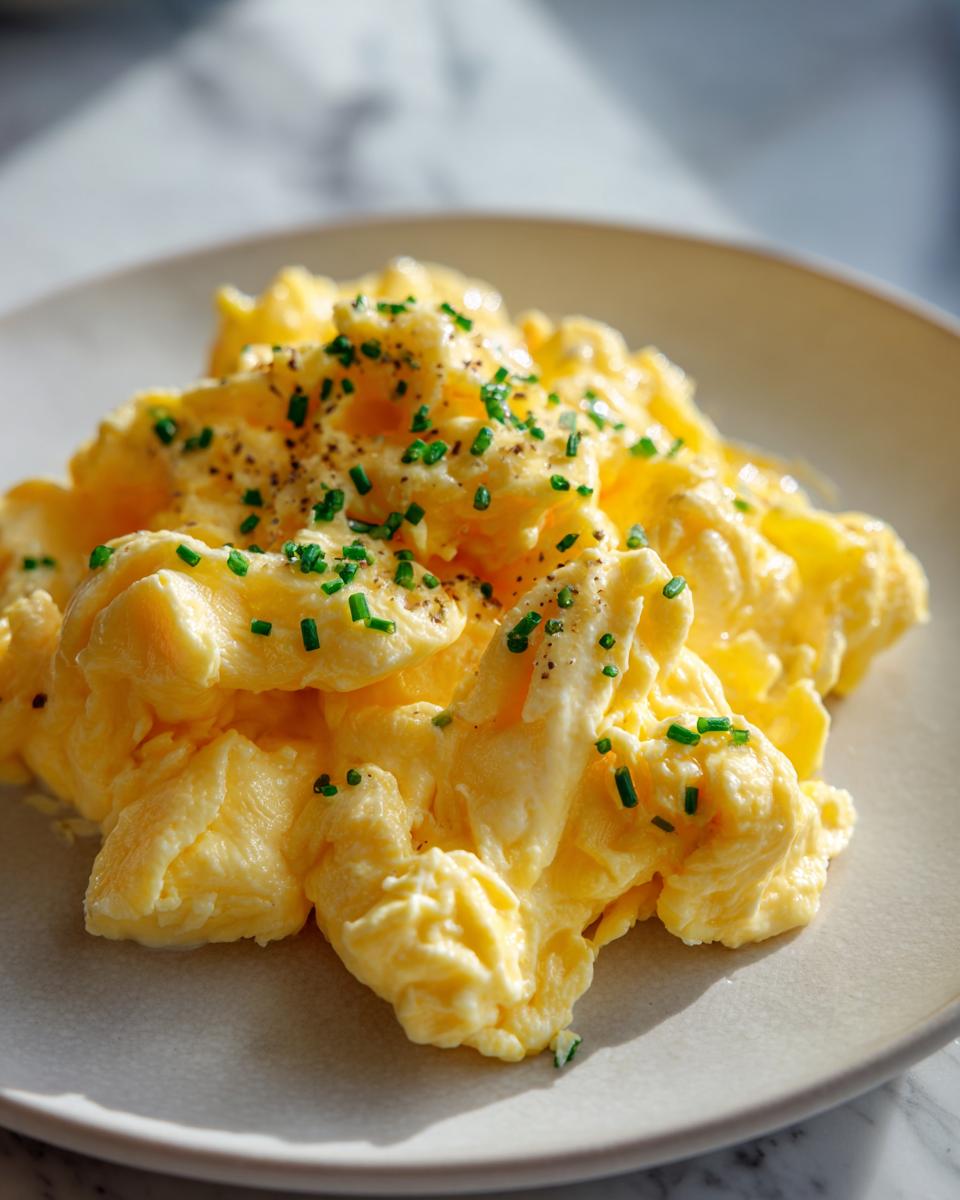
If you’re adding chives, toss them in right at this final step, stir once, and serve right away. Waiting even one minute means slightly drier eggs, so get them onto the plate!
Tips for Success When Making Scrambled Eggs
Once you master the low-and-slow scene, the small details really help nail that perfect outcome for your scrambled eggs. First off, please use a good non-stick pan. Trying to coax beautifully creamy eggs out of a stainless steel pan when you’re cooking low and slow is just asking for trouble and sticking! A good pan keeps things gentle.
Also, remember this rule: hot plate, cold eggs is the enemy. These eggs are cooked for texture, not for holding. As soon as they hit that perfect glossy, slightly runny stage, they must be transferred immediately to your serving plate. If you leave the pan on the burner for even one extra minute, you’ll lose that delicate, soft element we worked so hard to achieve. Don’t let them overcook waiting for the toast to finish!
Making Gourmet Breakfast at Home: Variations for Your Scrambled Eggs
I love that this low-and-slow method for making creamy scrambled eggs is so adaptable. While the basic version is pure heaven, sometimes you want to turn Tuesday morning into a little bit of a special occasion. These eggs are the perfect base for turning something simple into a really fantastic, almost gourmet breakfast at home. You don’t need much time, just a little imagination, to elevate your favorite breakfast dish!
Savory Egg Preparations: Add-Ins and Toppings
Remember, you add most toppings right at the end when you take the pan off the heat, or just sprinkle them on top immediately before serving so they don’t cook down too much. If you love savory egg preparations, this is your chance to shine.
- Cheese Please: My favorite is adding a teaspoon of finely grated Parmesan right at the end—the saltiness melts into the creamy base perfectly. A little sharp cheddar also works beautifully if you love a richer flavor profile.
- Smoked Salmon Swirl: For a real weekend treat, gently fold in small flakes of smoked salmon right as the eggs are finishing. A squeeze of fresh lemon juice over the top cuts through the richness perfectly.
- Spice It Up: If pepper isn’t enough heat for you, try a small swirl of your favorite high-quality hot sauce right before serving. A dash of sriracha or even a little sprinkle of chili crisp can completely transform your scrambled eggs!
- Veggie Boost: Sautéed mushrooms or finely chopped spinach (make sure to cook all the water out of the spinach first!) can be folded in alongside the chives for added nutrition and bulk.
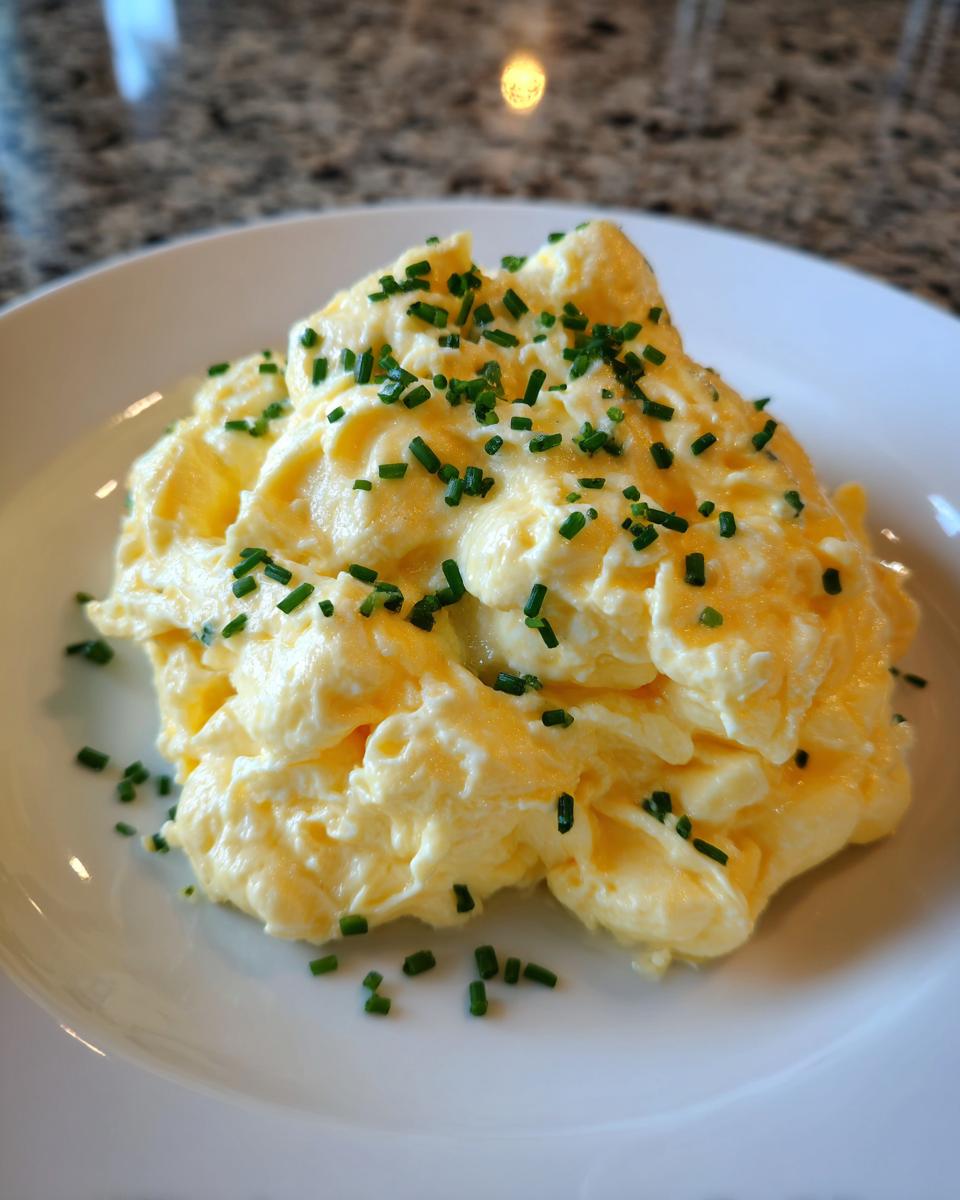
See? It’s still the same easy base, but suddenly you have three completely different and delicious breakfast options! It really shows how mastering one core fluffy scrambled eggs technique opens up so many doors.
Storage and Reheating Instructions for Soft Scrambled Eggs
Okay, let’s address the leftover situation honestly. These amazing, custardy scrambled eggs are definitely best eaten the second they come off that low heat. Any leftovers are going to firm up; that’s just the nature of eggs and protein, no matter what magic we worked in the pan!
If you absolutely have to save them, put them into a shallow, airtight container immediately. You shouldn’t plan on keeping them for more than a day, tops. Refrigeration is tough on the soft texture we worked hard to achieve, so forget about saving them for your quick breakfast ideas later in the week. They just won’t be the same.
Now, for reheating those precious remnants? You need to go low again. Do not microwave them! Microwaving eggs turns them instantly into concrete. Instead, put them in a small, non-stick pan over the absolute lowest heat setting you have. Add just a tiny splash of milk, cream, or even water—just enough to coat the bottom of the pan.
Gently fold them over and over until they heat through. You aren’t really cooking them; you are reintroducing a little moisture and gently warming them back into existence. It takes time, but it saves those soft scrambled eggs from a terrible, dry fate. This is how we salvage leftovers and maintain a little bit of that original creamy perfection!
Frequently Asked Questions About Fluffy Scrambled Eggs
I know sometimes the details can get buried when you’re trying to get out the door for breakfast for busy mornings! So, here are a few quick answers to the questions I get most often about getting these scrambled eggs just right. Don’t worry if you mess up the first time; mastering how to cook eggs perfectly takes practice!
Can I use milk instead of heavy cream in these scrambled eggs?
You absolutely can! Milk will give you a lighter, slightly more airy or fluffy result, which is also delicious. However, heavy cream is what truly delivers that rich, almost decadent, custardy texture we are chasing in this recipe. Cream has more fat, which coats the proteins better and prevents them from tightening up too fast, making them superior for that “creamy scrambled eggs” goal.
What is the difference between soft scrambled eggs method and standard cooking?
It all comes down to temperature and agitation! The standard way of cooking eggs usually involves medium to high heat, which rapidly cooks the proteins, resulting in firm, larger curds—think diner-style eggs. Our soft scrambled eggs method uses low heat and slow, gentle folding over several minutes. This keeps the curds small, delicate, and velvety soft, which is exactly what we want for an elevated breakfast classic!
Why do my scrambled eggs always turn out dry?
This is the classic mistake! They turn dry because you are either leaving them on the heat too long after they look done, or your heat was too high to begin with. Remember my golden rule: take them off the heat when they look slightly glossy and wet. That residual heat is crucial! For truly fluffy scrambled eggs, patience over the burner is the key to avoiding sad, dry results.
Pairing Your Scrambled Eggs with Simple Breakfast Meals
Honestly, once you’ve perfected these creamy scrambled eggs, you can almost serve them plain and call it a day! They are so rich and flavorful that they truly stand up on their own. But if you’re looking to build a complete meal without adding a ton of extra stress, I have a few favorite combinations, especially for those hectic mornings when you need quick breakfast ideas that still feel special.
Since this recipe is vegetarian, it’s super versatile for creating quick breakfast meals. My go-to is always just incredibly good toast. Forget thin white bread; grab a hearty slice of sourdough or a thick slice of rustic bakery bread, toast it until it’s sturdy, and spread just a tiny bit of good salted butter on it. Spoon those soft, glossy scrambled eggs right on top. The contrasting textures—crisp toast meeting the creamy egg—is just heaven. It’s so simple, but feels incredibly satisfying.
If you have an extra five minutes, those eggs are the absolute best filling for breakfast tacos. Just scoop them into a warm corn tortilla, maybe add a little salsa verde and a crumble of cotija cheese. Talk about an elevated breakfast classic that was ready faster than ordering takeout!
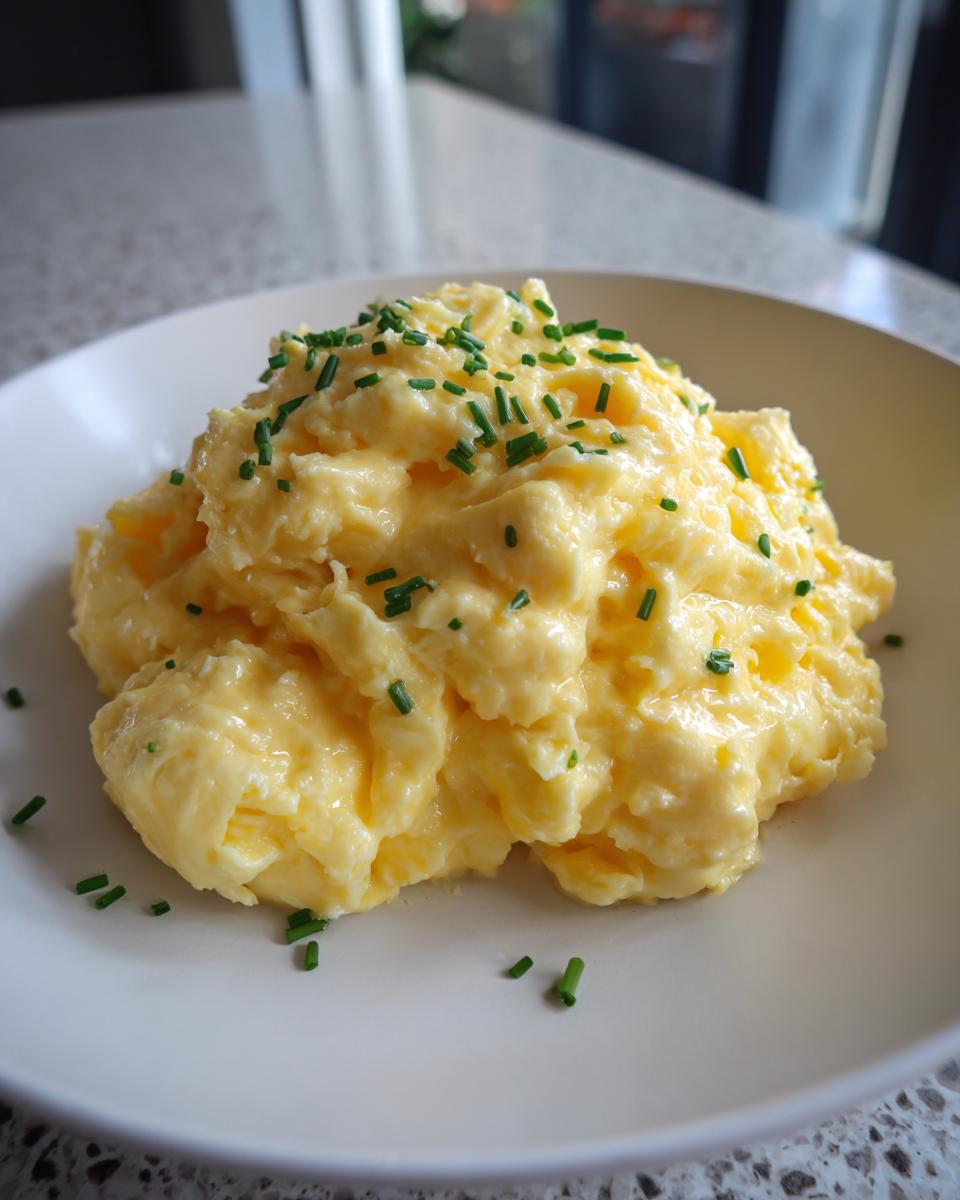
And never forget the coffee! No matter what you pair your scrambled eggs with, make sure you have a strong, hot cup of coffee waiting. That ritual—the warmth of the mug, the smell of the coffee, and that first bite of soft, buttery egg—is what convinces me that comfort food doesn’t need to be complicated or time-consuming at all.
Nutritional Snapshot for These Creamy Scrambled Eggs
I always feel a little guilty enjoying these rich, buttery scrambled eggs because they feel so indulgent, but you asked for the details, so here they are! I want to be super clear, though: these values are just estimates—they are calculated based on the basic ingredients listed in the recipe (four large eggs, butter, and heavy cream), and they don’t account for any extra toppings you might toss in, like cheese or toast.
Remember, the richness comes partly from the fat in the cream and butter, which also helps us achieve that incredible texture we love so much. Here’s a look at what’s in one serving based on the recipe notes. If you’re looking for low-calorie options, perhaps you could look into some best meal delivery services that focus on specific dietary needs, but for homemade perfection, this is what we’re working with!
- Serving Size: 1 serving (This recipe makes 2 servings total)
- Calories: 240
- Fat: 19g (Note: Saturated Fat: 11g)
- Protein: 13g
- Carbohydrates: 2g
- Sugar: 1g
- Cholesterol: 450mg (Eggs are high in cholesterol, but don’t let that scare you away from these amazing meal planning favorites!)
So, while they are a bit higher in fat due to the heavy cream and butter—which, let’s be honest, is the secret to the tastiest weight loss programs don’t allow—they also pack a solid protein punch to keep you full until lunchtime. Enjoy them responsibly, knowing you made the best scrambled eggs possible!
Share Your Homemade Comfort Food Creations
I truly, honestly hope these tips help you make the most incredible, soft, and fluffy scrambled eggs you’ve ever had at home! I get just as much happiness seeing your results as I do making them myself. If you’ve followed along, I really want to hear about your texture success!
Since this recipe has become my absolute go-to for those mornings when I still need something comforting but have zero time for elaborate cooking, I hope it does the same for your schedule of breakfast for busy mornings. Didn’t you just love how simple it was to achieve that creamy dream texture?
Please hop over to the recipe card and leave a rating—five stars if these have officially replaced your old way of making breakfast! And if you post a picture on social media, tag me! I love seeing your creations in real life. If you have questions or want to share your favorite savory additions, don’t hesitate to reach out through my contact page. Happy cooking, everyone!
PrintThe Ultimate Guide to Creamy and Fluffy Scrambled Eggs: Low-and-Slow Method
Learn the simple technique for making exceptionally creamy and fluffy scrambled eggs that melt in your mouth. This method focuses on low heat and gentle stirring for a gourmet breakfast at home.
- Prep Time: 3 min
- Cook Time: 7 min
- Total Time: 10 min
- Yield: 2 servings 1x
- Category: Breakfast
- Method: Stovetop Cooking
- Cuisine: American
- Diet: Vegetarian
Ingredients
- 4 large eggs
- 2 tablespoons unsalted butter
- 2 tablespoons heavy cream or half-and-half
- 1 pinch salt
- 1 pinch black pepper
- 1 teaspoon fresh chives, chopped (optional)
Instructions
- Crack the eggs into a medium bowl. Add the heavy cream, salt, and pepper. Whisk the mixture vigorously until the yolks and whites are completely combined and slightly frothy. This incorporates air for fluffiness.
- Place a non-stick skillet over low heat. Add the unsalted butter and let it melt completely until it foams slightly. Do not let the butter brown.
- Pour the egg mixture into the skillet. Let the eggs sit undisturbed for about 30 seconds until the edges just begin to set.
- Using a rubber spatula, gently push the cooked egg from the edge toward the center, tilting the pan to allow uncooked egg to flow underneath.
- Continue this slow pushing and folding motion. Keep the heat low. Cook slowly, moving the eggs gently every few seconds. This low-and-slow approach creates soft, creamy curds instead of dry, firm ones.
- When the eggs are mostly set but still look slightly wet and glossy (this is key for creaminess), remove the pan from the heat immediately. The residual heat will finish the cooking process.
- Stir in the fresh chives, if using. Serve immediately on toast or alongside your favorite breakfast items.
Notes
- For the creamiest texture, avoid high heat. Cooking low and slow prevents the proteins from seizing up too quickly.
- If you are planning your weekly meals, these scrambled eggs pair well with simple meal planning for busy mornings.
- For an extra rich flavor, use high-quality butter.
- If you prefer a firmer scramble, cook for one minute longer, but remove from heat before they look completely dry.
Nutrition
- Serving Size: 1 serving
- Calories: 240
- Sugar: 1
- Sodium: 180
- Fat: 19
- Saturated Fat: 11
- Unsaturated Fat: 8
- Trans Fat: 0.5
- Carbohydrates: 2
- Fiber: 0
- Protein: 13
- Cholesterol: 450