Slow-Fermented Green Tomatillo Salsa Verde Recipe
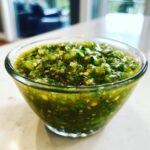
Learn how to make a deeply flavorful, tangy, and probiotic tomatillo salsa verde using natural fermentation. This recipe guides you through the safe culturing process for a complex flavor profile.
- Prep Time: 25 min
- Cook Time: 10 min
- Total Time: 35 min (plus 7-14 days fermentation)
- Yield: About 4 cups 1x
- Category: Condiment
- Method: Natural Fermentation
- Cuisine: Mexican-Inspired
- Diet: Vegan
Ingredients
Scale
- 2 lbs fresh tomatillos, husked and rinsed
- 3–4 jalapeño peppers (adjust to heat preference)
- 1–2 serrano peppers (optional, for extra heat)
- 1 medium white onion, quartered
- 4 cloves garlic, peeled
- 1/2 cup fresh cilantro leaves
- 2 tablespoons non-iodized salt (kosher or sea salt)
- Filtered water, as needed
Instructions
- Prepare the vegetables: Lightly char the tomatillos, jalapeños, and serranos under a broiler or directly over a gas flame until skins are blistered. This adds depth.
- Place the charred vegetables, onion quarters, garlic, and cilantro into a food processor. Pulse until roughly chopped. Do not over-process; you want some texture.
- Transfer the vegetable mixture to a clean glass jar (at least 1-quart size).
- Create the brine: In a separate bowl, dissolve the 2 tablespoons of non-iodized salt into 1 cup of filtered water. Stir until fully dissolved. This is the best salt ratio for salsa fermentation.
- Pour the brine over the vegetable mixture in the jar. Add more filtered water if necessary to fully submerge the vegetables. Leave at least 1.5 inches of headspace at the top of the jar.
- Use a fermenting weight or a small, clean plastic bag filled with a little brine to keep all solids submerged beneath the liquid surface. This prevents mold growth.
- Cover the jar loosely with an airlock lid or a standard lid placed loosely on top to allow gases to escape.
- Place the jar in a cool, dark place (ideally 65-70°F or 18-21°C).
- Monitor daily: You should see bubbling within 2-5 days. This indicates active fermentation. If no bubbling occurs after 5 days, check that the vegetables are fully submerged.
- Taste test: After 7 days, begin tasting daily. The salsa will become tangier and more complex as it ferments.
- When the flavor reaches your desired level of tanginess (usually between 7 and 14 days for a slow-fermented salsa verde), remove the weight and seal the jar tightly.
- Transfer the finished salsa to the refrigerator to halt fermentation. The salsa will keep for several months in the fridge.
Notes
- Always use non-iodized salt; iodine can inhibit the growth of beneficial lactobacillus bacteria.
- If you see white, harmless Kahm yeast on the surface, simply skim it off. If you see fuzzy mold (green, black, or pink), discard the batch for safety.
- For a smoother texture, blend the fermented mixture briefly before refrigerating.
- This natural fermentation salsa develops a deep flavor profile unlike quick, fresh versions.
Nutrition
- Serving Size: 1/4 cup
- Calories: 30
- Sugar: 2
- Sodium: 350
- Fat: 0
- Saturated Fat: 0
- Unsaturated Fat: 0
- Trans Fat: 0
- Carbohydrates: 6
- Fiber: 1
- Protein: 1
- Cholesterol: 0
Find it online: https://blissbatter.com/fermented-green-salsa-recipe/