

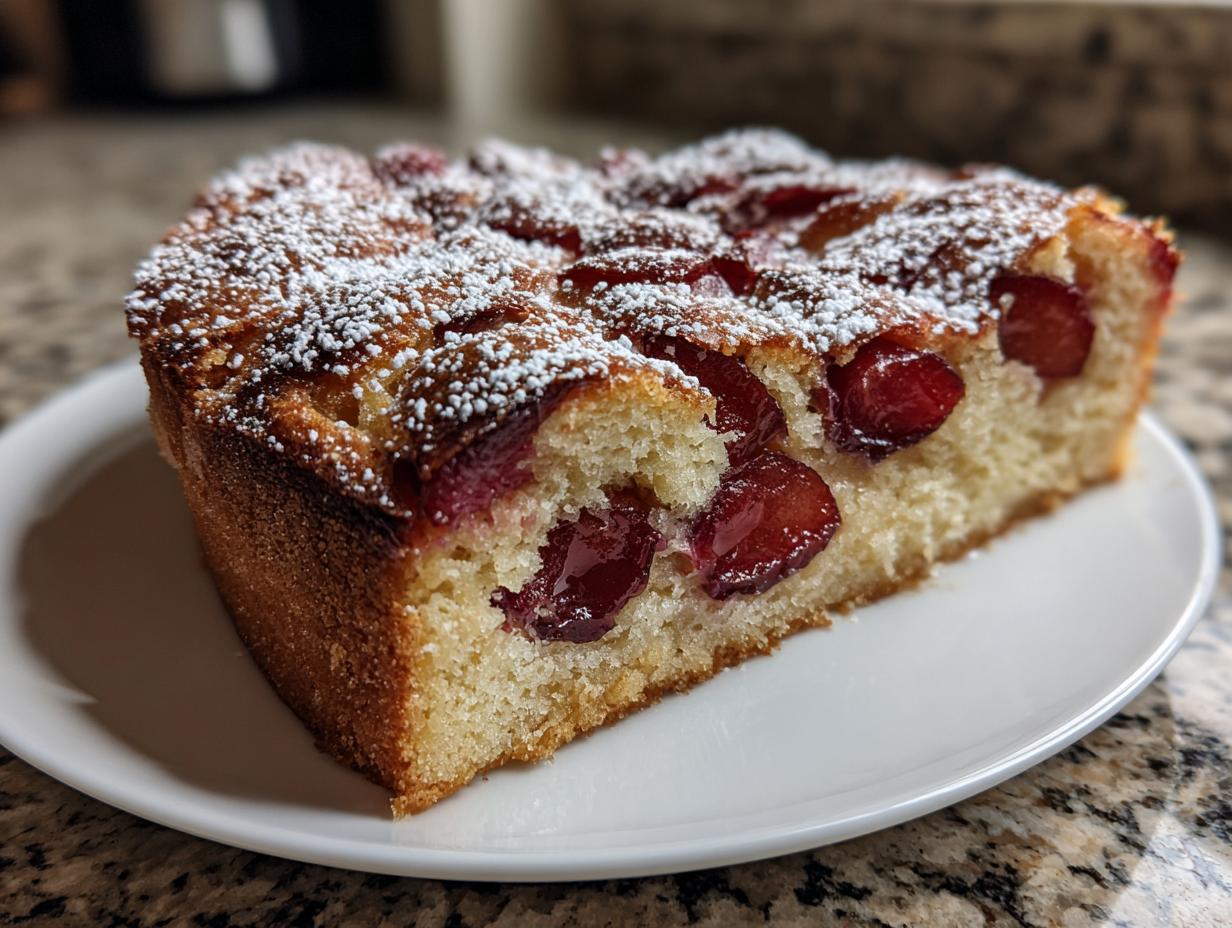
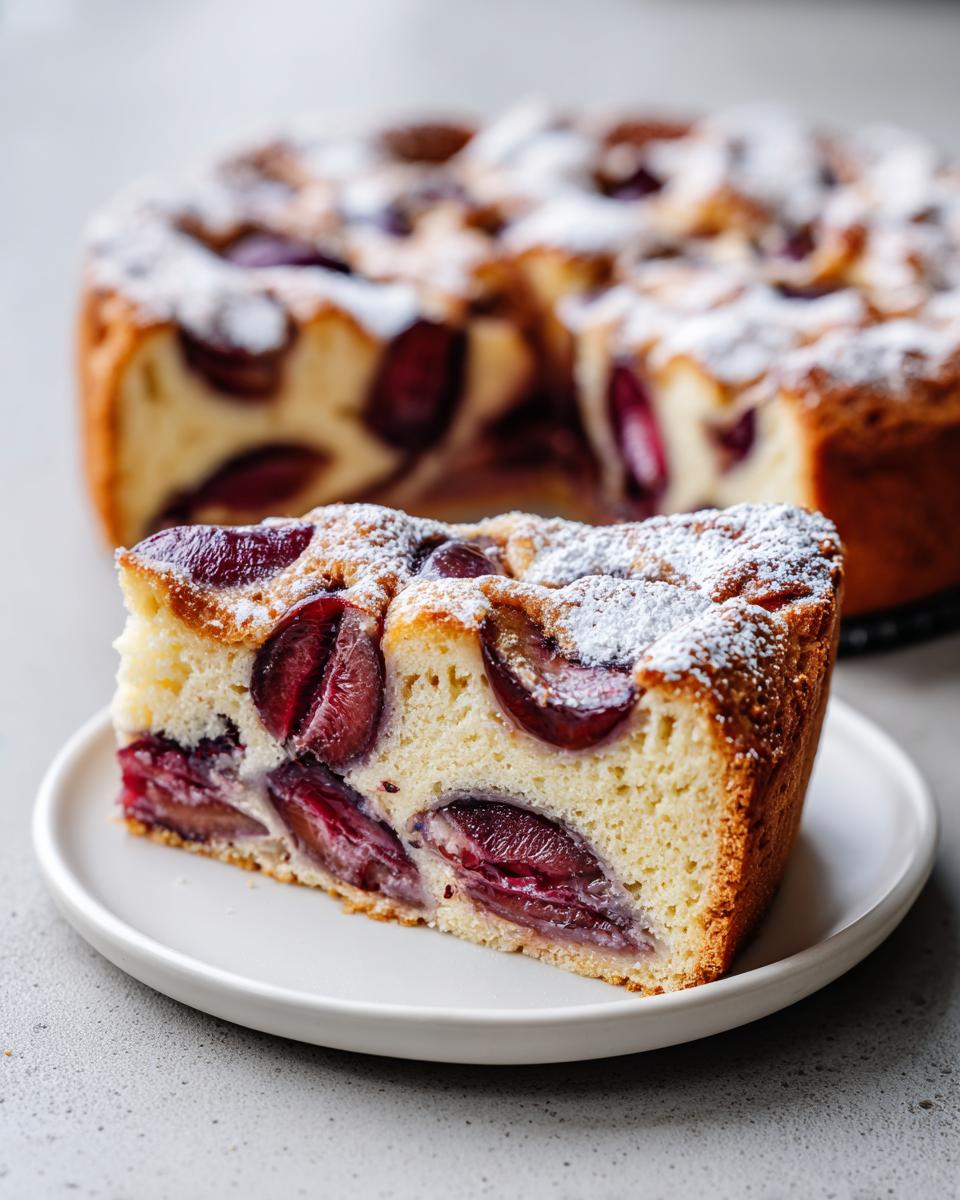
Oh, there is just nothing quite like that smell when summer starts whispering goodbye—a mix of ripe fruit and warm yeast rising slowly in the kitchen. That’s the magic behind our Authentic German Plum Cake, or Pflaumenkuchen, settling into the house. Forget those overly sweet, heavy tarts; this version uses a wonderfully soft yeast dough base, just like they make in Germany! I’m Claire, and if you check out my story on the About Page, you’ll see my commitment to testing every recipe until it’s perfect. I promise this traditional recipe is absolutely foolproof, bringing that classic European autumn comfort right to your own table with confidence.
- Why This Authentic German Plum Cake Recipe Works (The Bliss Batter Promise)
- Gathering Ingredients for Your German Plum Cake
- Step-by-Step Instructions for Traditional Pflaumenkuchen
- Baking and Finishing Your German Plum Cake with Yeast Dough
- Tips for Success with Your Homemade German Stone Fruit Tart
- Variations on the Classic German Sheet Cake
- Serving Suggestions for the Best German Plum Cake
- Storing Leftovers of Your German Plum Cake
- Frequently Asked Questions About German Baking Recipes for Autumn
Why This Authentic German Plum Cake Recipe Works (The Bliss Batter Promise)
When you search for the Authentic German Plum Cake recipe, you’ll often run into recipes calling for a stiff shortcrust or a light sponge. While those are tasty, they just aren’t the traditional heart of Pflaumenkuchen! Here at Bliss Batter, we only share what truly captures the classic bakery flavor. That’s why we stick to the soft, slightly sweet yeast dough base. Trust me, this is the Best Plum Cake from Germany because the light chewiness of the dough perfectly balances the tartness of the plums. I love sneaking a piece of this warm pastry while working on other bakes, like my cinnamon monkey bread!
I’ve tested shortcrust versions that become too crumbly, and sponges that deflate under the fruit’s weight. This yeast version is shockingly easy to handle, rises beautifully, and holds up perfectly to the juiciness of the fruit. It’s the version I’m happiest to share because I know it will turn out right for you.
The Importance of Yeast Dough for German Plum Cake
The yeast dough, or Hefeteig, is what sets this dessert apart from a standard fruit tart! It creates a slight chewiness and a marvelous, airy texture once baked. It’s not heavy like a shortcrust pastry, so it lets the plums truly shine as the star of the show.
We treat this dough almost like making soft dinner rolls—it needs that time to develop flavor and structure. It keeps the entire cake soft and tender underneath that blanket of fruit, which is exactly how German bakers intended it. I promise, you won’t miss the crumble topping!
Gathering Ingredients for Your German Plum Cake
Okay, let’s get organized! For this German Plum Cake, we want every single item ready to go before we start mixing, especially with yeast dough that doesn’t like to wait around. Using room temperature ingredients, like that egg, really helps the dough come together smoothly. It’s just one of those little things that makes the difference between good and great baking!
Here is everything you’ll need:
- 1 cup warm milk (about 105-115°F)
- 2 1/4 teaspoons active dry yeast
- 1/4 cup granulated sugar, plus 1 teaspoon for yeast
- 1 large egg, room temperature
- 1/4 cup unsalted butter, melted and cooled slightly
- 2 3/4 cups all-purpose flour, plus more for dusting
- 1/2 teaspoon salt
- 2 pounds fresh Italian prune plums (Zwetschgen), halved and pitted
- 1 tablespoon lemon juice
- 1/4 cup granulated sugar for topping
- 1 teaspoon ground cinnamon
- 1/2 cup heavy cream or milk for brushing
- Powdered sugar for dusting
If you’ve ever made my buttermilk biscuits, you know I preach ingredient prep! Having everything measured means when the dough needs the egg, it’s right there, not halfway across the kitchen.
Ingredient Notes and Plum Selection for German Plum Cake
The single most important tip for an amazing German Plum Cake is the plums themselves. You absolutely want to track down what Germans call Zwetschgen, which are Italian prune plums here in the US. They are firmer and less watery than regular plums, which is crucial so your yeast dough doesn’t end up soggy!
They hold their shape beautifully and give you that perfect tart counterpoint to the sweet pastry. If fresh *Zwetschgen* aren’t available—and I know they can be seasonal—you can use high-quality frozen ones! Just thaw them slightly and pat them *very* dry before you toss them with that lemon juice. Don’t skip drying them!
Step-by-Step Instructions for Traditional Pflaumenkuchen
Alright, let’s get this delicious German Plum Cake started! This is where the magic—and the patience—comes in. Don’t worry, these steps are straightforward, and with my tips, you’ll master these Easy Zwetschgenkuchen instructions in no time. We are moving from shaggy dough to a beautiful fruit blanket! If you love working with dough, check out my tips for my easy monkey bread recipe!
Activating Yeast and Preparing the German Plum Cake Dough
First things first: water temperature! The warm milk for the yeast needs to be cozy, not hot. If it burns the yeast, we start over, so aim for that 105-115°F range. Once it’s foamy—that’s your signal that the yeast is alive and kicking! Then, we mix the dry ingredients. When you combine the yeast mixture, the room temperature egg, and the slightly cooled melted butter, you get a dough that’s pliable. Give it a good five to seven minutes of kneading on the counter until it’s smooth and elastic. You want to feel that structure developing!
Shaping and Arranging Fruit for the German Plum Cake
Now for the rise! Let that dough bubble up in a warm spot—it needs about an hour and a half to double. While it’s proofing, prep your pan. Grab that 10×15 inch baking sheet; grease it well, and dust it lightly with flour. Once the dough is puffy, gently press or roll it right out to fit the pan perfectly. Don’t punch out all the air! Next, arrange those lovely plum halves. I always place them cut-side up, fitting them snugly side-by-side—almost overlapping them a little. This ensures you get plum in every single bite of your German Plum Cake base.
Baking and Finishing Your German Plum Cake with Yeast Dough
We are so close to tasting this incredible dessert! Set your oven for 375°F (190°C). While the oven heats up during those last 15 minutes of resting, go ahead and mix up your topping: just the sugar and cinnamon sprinkled right over those plums. Don’t forget to brush the exposed dough edges with that heavy cream or extra milk—it helps them get that beautiful golden color!
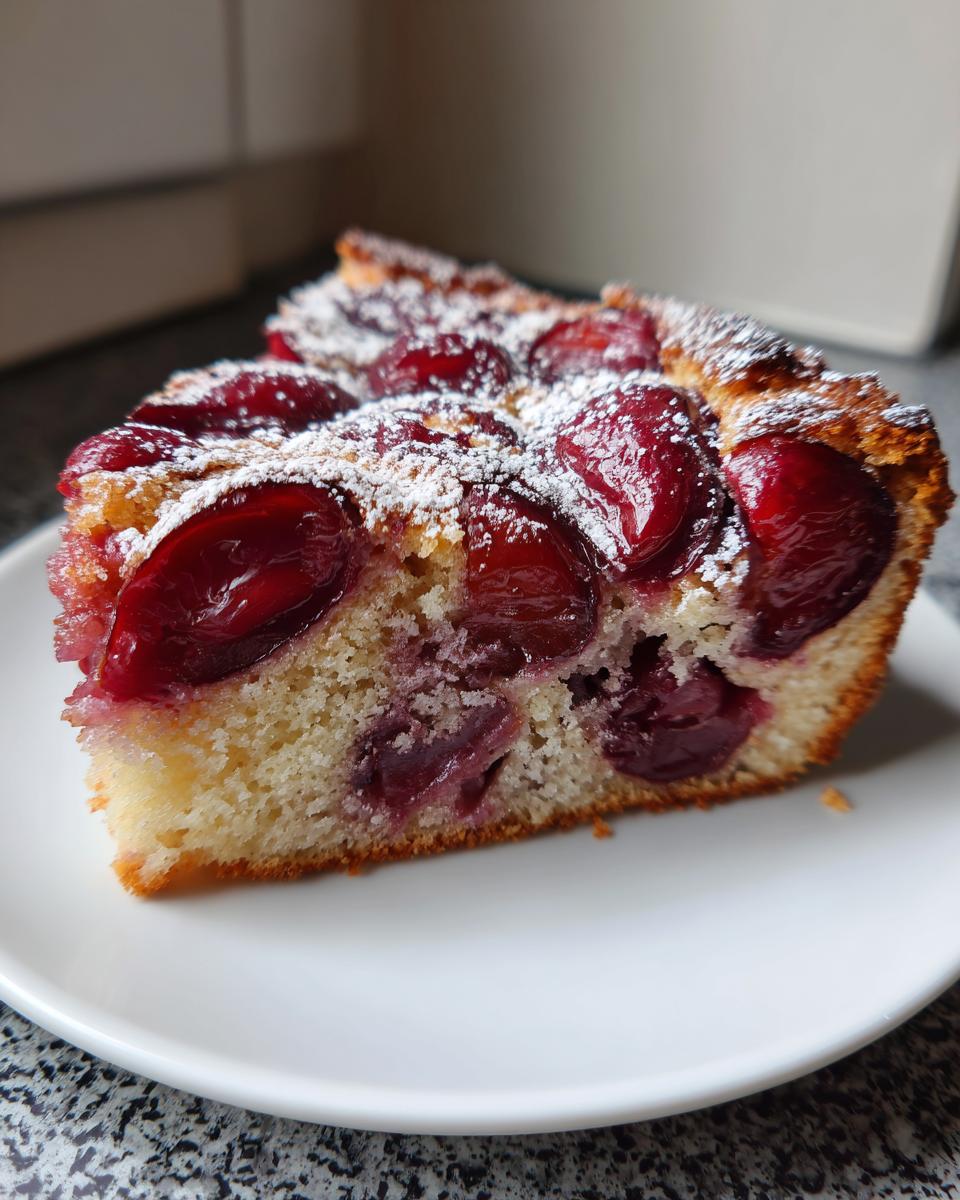
Bake for about 35 to 45 minutes. You are looking for the yeast dough bottom to be deeply golden brown and fully cooked through. The plums should look softened and jammy. Once it’s out, let your German Plum Cake cool just a bit on a wire rack. The absolute final touch? A generous, artistic dusting of powdered sugar. It looks so professional, but it’s so easy! This cake is truly amazing served slightly warm with a dollop of freshly whipped cream. If you love this technique, you need to see how I get that perfect texture on my moist coffee cake!
Tips for Success with Your Homemade German Stone Fruit Tart
Baking is all about communication between you and your ingredients, and this Homemade German Stone Fruit Tart is no exception! I’ve got a few hard-won tips from testing this recipe that guarantee you avoid any common pitfalls, like a damp bottom or uneven fruit cooking. Remember, my goal is always zero kitchen stress for you!
First, the oven temperature consistency is key. Yeast doughs don’t like wild temperature swings. Make sure your oven has fully preheated to 375°F before the cake even goes in. I even keep my oven thermometer handy just to be sure, because honestly, some home ovens lie!
Second, to really avoid that soggy bottom that plagues fruit cakes, try this: lightly brush the rolled-out dough with some beaten egg white before you place the fruit on top. That thin, invisible layer creates a barrier against the plum juices. It’s a trick I learned from my neighbor who specialized in deep-dish fruit pies. If you want to look at another solid base technique, check out my tips for a flaky pie crust—same principle, different dough!
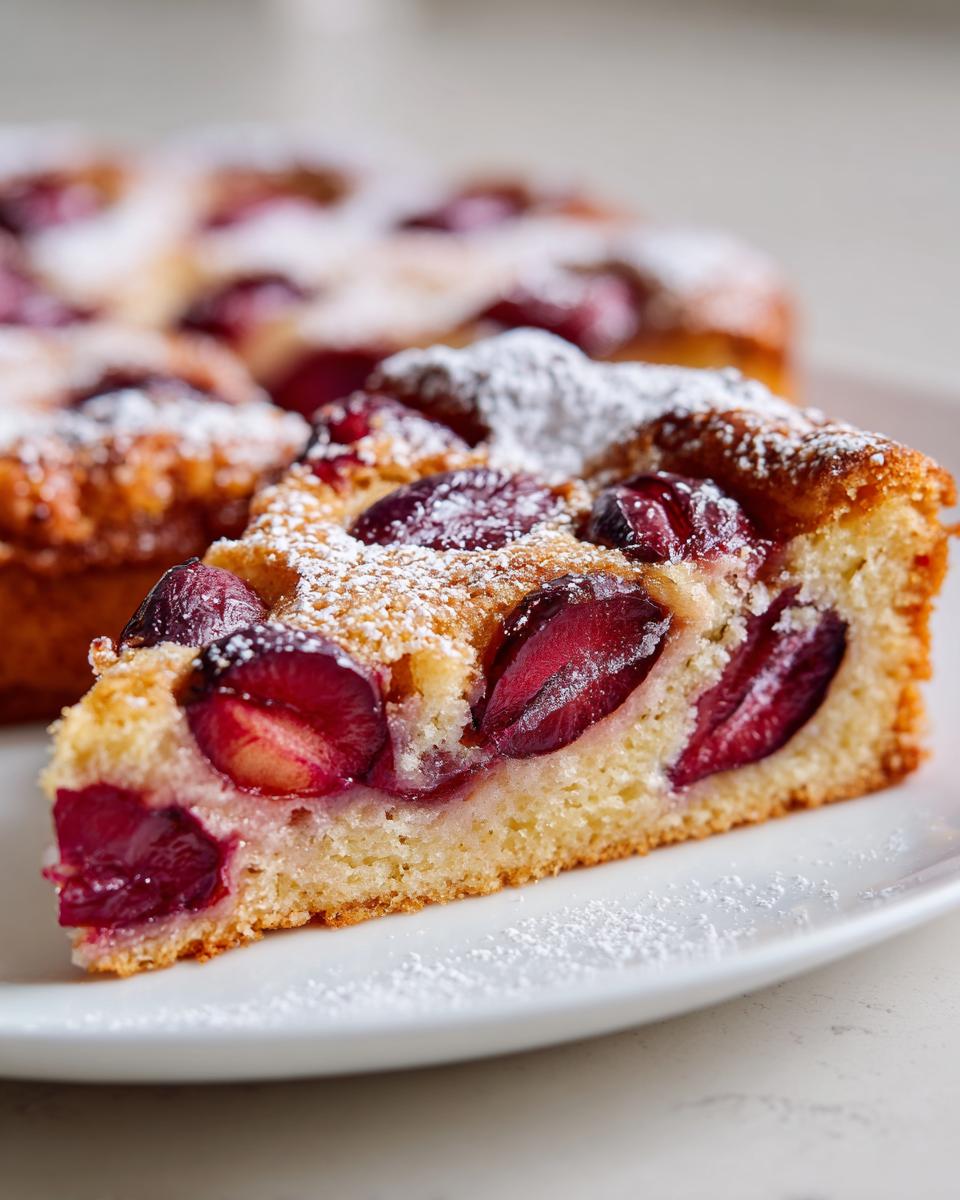
Finally, make sure you give the plums a pat-down with a paper towel after tossing them in lemon juice. Any excess liquid that hasn’t absorbed needs to go! This seems small, but it keeps our lovely yeast dough fluffy and perfectly baked.
Variations on the Classic German Sheet Cake
Now, while I absolutely adore this sweet yeast dough version—it is the most traditional Classic German sheet cake style—I know you might be wanting a little texture contrast or maybe you prefer a different base! That’s the fun of bringing an old recipe into a modern kitchen, right?
If you’re craving that sandy, buttery crumble topping, you can easily swap out the cinnamon-sugar mixture for a simple streusel. Just mix cold butter, flour, and sugar until coarse crumbs form, and sprinkle that right over the wet plums before baking. Wow, that makes it rich!
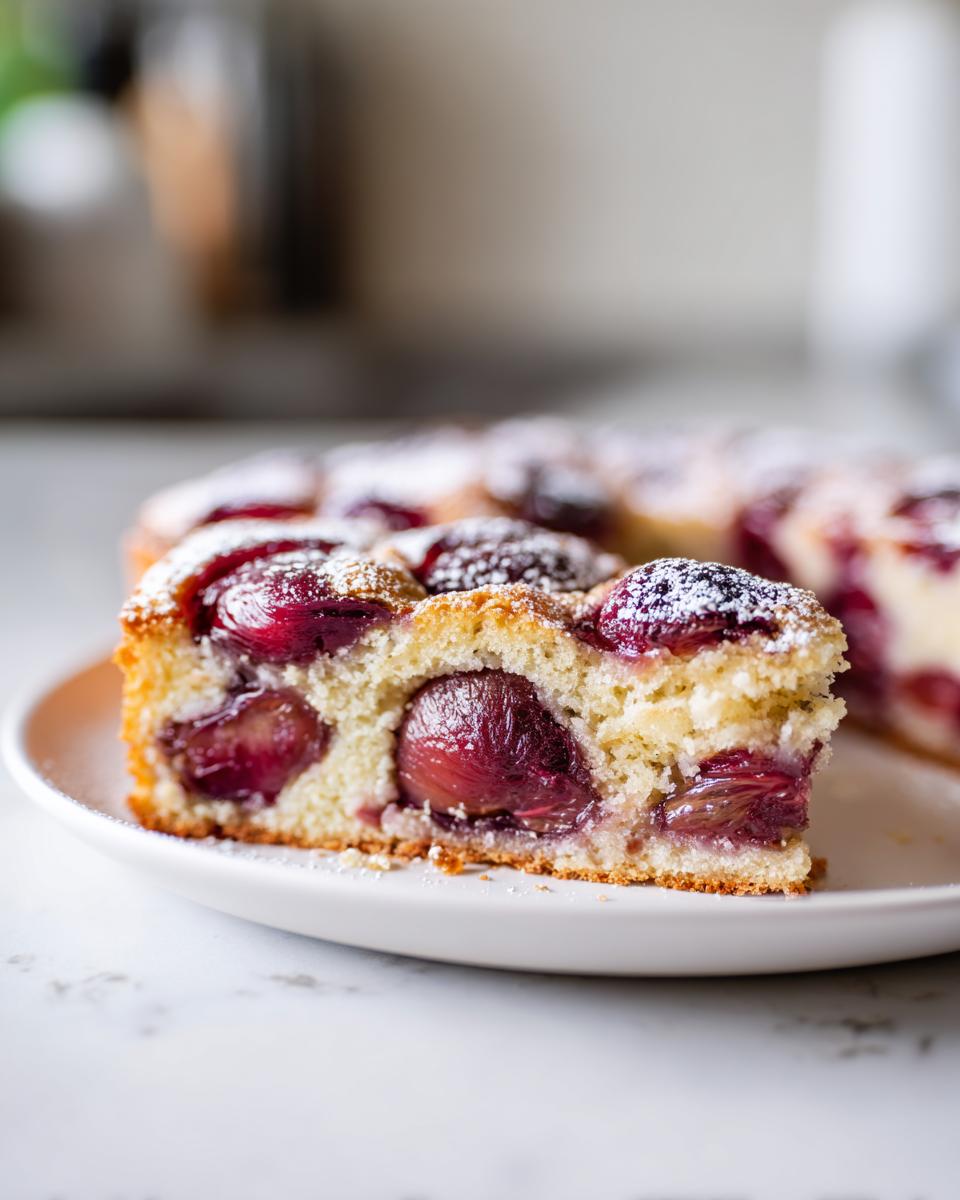
Also, just so you know, this isn’t the only style: some regions favor a shortcrust base, which is much more like a dessert tart. If you want to experiment with a firmer base next time, you should absolutely check out the techniques I use for a perfectly tender base in my moist coffee cake recipe. It gives you a totally different but equally delicious experience!
Serving Suggestions for the Best German Plum Cake
The beautiful thing about this German fruit cake is how versatile it is when it comes to serving! While it’s magnificent all on its own—warm straight from the oven—it really shines with a simple accompaniment. Traditionally, Germans serve Pflaumenkuchen with a generous dollop of very lightly sweetened whipped cream, or Schlagsahne.
The coolness and lightness of the cream cut through the warmth of the spiced fruit so perfectly. If you’re feeling extra cozy, a drizzle of vanilla sauce—which I have a fantastic recipe for on my bread pudding post—is dreamy. It’s all about balancing that slight tartness from those beautiful plums!
Storing Leftovers of Your German Plum Cake
I highly doubt you’ll have much leftover, but let’s talk storage just in case! Since this German Plum Cake has a soft yeast dough base, it actually does best at room temperature for the first couple of days. You can keep it simply covered tightly on the counter for up to three days. Don’t use the fridge unless your kitchen is super humid, or the dough can get a little stiff.
If you need to keep it longer, go ahead and wrap individual slices tightly in plastic wrap and freeze them for up to a month. To reheat, just pop a slice in a toaster oven for a few minutes, or microwave it for about 15 seconds. That warm, yeasty smell coming back? Pure comfort!
Frequently Asked Questions About German Baking Recipes for Autumn
I always get so many questions when I post this German Plum Cake because everyone wants to make sure their first try is perfect! It’s natural when you’re trying a truly Authentic German Plum Cake recipe for the first time. Here are a few things I hear most often when folks are diving into these wonderful German baking recipes for autumn.
Can I use other fruits for this German Plum Cake?
That’s a great question! While nothing beats the flavor and texture of Zwetschgen plums, you can absolutely substitute them during different seasons. Pitted cherries or sliced apricots work beautifully! Just treat them the same way: pat them dry and toss them with lemon juice. Remember, stone fruits work best because they hold their shape under the heat, unlike softer berries.
How long does the yeast dough need to rise?
This is critical for that light, fluffy texture we love in our Traditional Pflaumenkuchen guide. The first rise should take anywhere from 1 to 1.5 hours, or until the dough has doubled in size. It really depends on how warm your kitchen is! Don’t rush it; that slow rise develops the flavor and makes the dough easy to handle later. If you’re interested in other yeast bakes, you might enjoy looking at my rich German chocolate poke cake post!
Is this German Plum Cake the same as a German Plum Torte?
Not quite! This is a common mix-up. What we made here is a true Classic German sheet cake—a large, rectangular pastry with a generous layer of fruit atop a soft, yeasted bread base. A German Plum Torte (or sometimes *Versunkener Pflaumenkuchen*) is usually smaller, made in a round cake pan, and often features a shorter, sometimes buttery crust or perhaps a streusel topping instead of relying solely on the yeast dough.
My plums are leaking juice; what did I miss?
Oh, that means we have to go back to Step 4 for our tip! If your plums are weeping juice onto the dough, it usually means they weren’t dry enough after pitting and tossing with the lemon. Before arranging them, always give the plums a good gentle press between a couple of paper towels. Removing that excess surface moisture ensures a crisp bottom crust and better plum flavor concentration!
PrintAuthentic German Plum Cake (Pflaumenkuchen) with Yeast Dough

Create a classic German Plum Cake, or Pflaumenkuchen, using a soft yeast dough base. This recipe guides you through making the traditional, comforting fruit pastry perfect for late summer baking.
- Prep Time: 30 min
- Cook Time: 45 min
- Total Time: 1 hr 50 min
- Yield: 12 servings 1x
- Category: Dessert
- Method: Baking
- Cuisine: German
- Diet: Vegetarian
Ingredients
- 1 cup warm milk (about 105-115°F)
- 2 1/4 teaspoons active dry yeast
- 1/4 cup granulated sugar, plus 1 teaspoon for yeast
- 1 large egg, room temperature
- 1/4 cup unsalted butter, melted and cooled slightly
- 2 3/4 cups all-purpose flour, plus more for dusting
- 1/2 teaspoon salt
- 2 pounds fresh Italian prune plums (Zwetschgen), halved and pitted
- 1 tablespoon lemon juice
- 1/4 cup granulated sugar for topping
- 1 teaspoon ground cinnamon
- 1/2 cup heavy cream or milk for brushing
- Powdered sugar for dusting
Instructions
- Activate the yeast: In a small bowl, combine the warm milk, 1 teaspoon of sugar, and the yeast. Let this stand for 5 to 10 minutes until foamy.
- Prepare the dough: In a large bowl, whisk together the remaining 1/4 cup sugar, flour, and salt. Make a well in the center and pour in the yeast mixture, melted butter, and egg. Mix until a shaggy dough forms.
- Knead the dough: Turn the dough out onto a lightly floured surface and knead for 5 to 7 minutes until it is smooth and elastic.
- First rise: Place the dough in a lightly oiled bowl, turning to coat. Cover the bowl with plastic wrap or a clean towel and let it rise in a warm place for 1 to 1.5 hours, or until doubled in size.
- Prepare the plums: While the dough rises, wash and halve the plums, removing the pits. Toss the plum halves gently with the lemon juice.
- Preheat and shape: Preheat your oven to 375°F (190°C). Lightly grease and flour a 10×15 inch baking sheet. Punch down the risen dough and roll or press it out onto the prepared sheet, forming a rectangle that covers the base.
- Arrange the fruit: Arrange the plum halves cut-side up over the dough, packing them closely together. You can slightly overlap them for a dense fruit layer.
- Second rise (optional): Let the assembled cake rest for 15 minutes while you prepare the topping.
- Top the cake: In a small bowl, mix the 1/4 cup sugar and cinnamon. Sprinkle this mixture evenly over the plums. Brush the exposed dough edges with heavy cream or milk.
- Bake: Bake for 35 to 45 minutes, or until the yeast dough is golden brown and cooked through, and the plums are soft.
- Cool and serve: Let the German Plum Cake cool slightly on a wire rack. Dust generously with powdered sugar before slicing and serving. This pastry is wonderful served warm with whipped cream.
Notes
- For an authentic taste, use Italian prune plums (Zwetschgen) as they hold their shape well and offer a good tartness against the sweet dough.
- If you prefer a richer, crumbly topping, you can substitute the cinnamon-sugar topping with a simple streusel (crumble topping).
- This cake is traditionally made on a sheet pan, resulting in a classic German sheet cake style.
Nutrition
- Serving Size: 1 slice
- Calories: 280
- Sugar: 22
- Sodium: 150
- Fat: 9
- Saturated Fat: 5
- Unsaturated Fat: 4
- Trans Fat: 0
- Carbohydrates: 45
- Fiber: 2
- Protein: 6
- Cholesterol: 45