

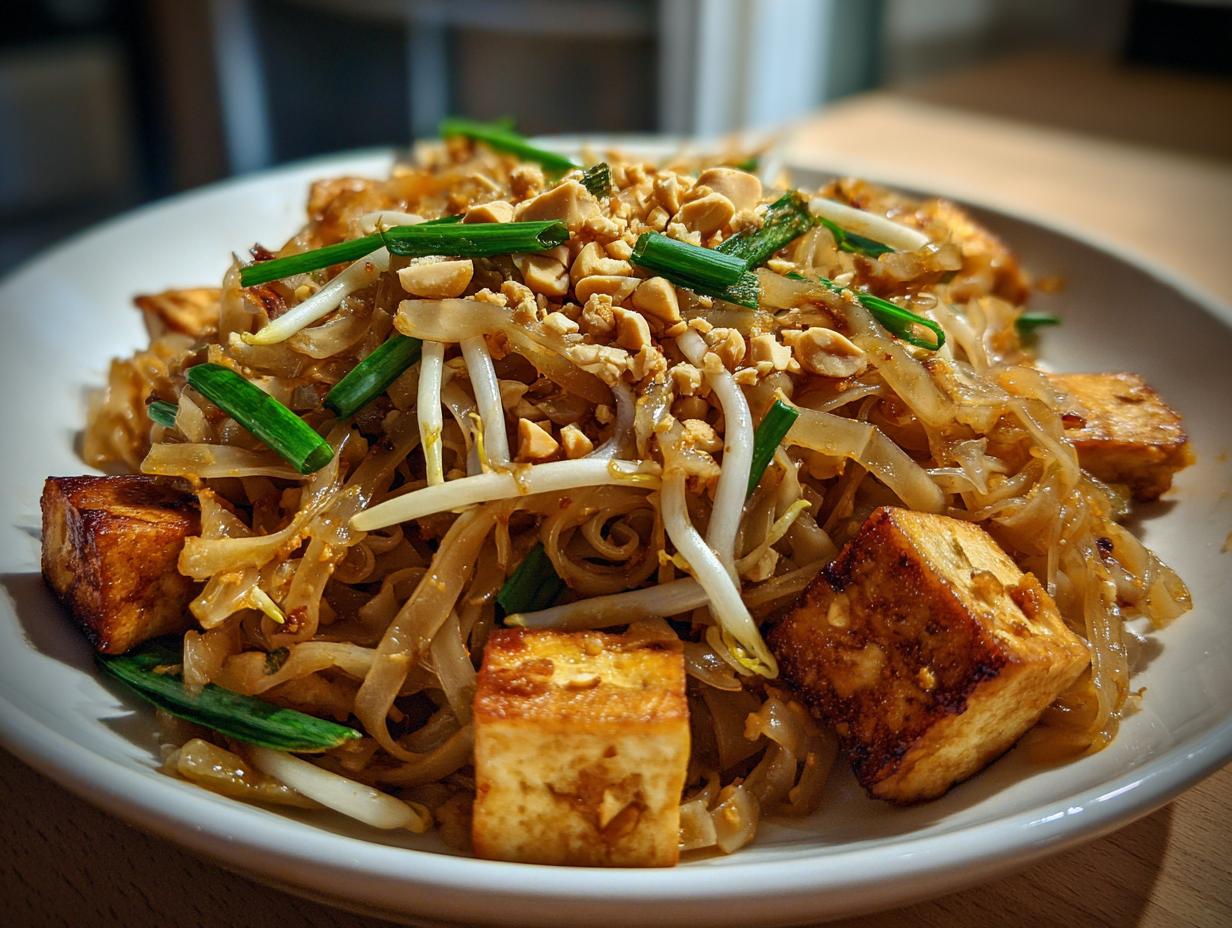
You know those days? When all you crave is something bright, zesty, and totally not from the usual comfort food playbook? Especially when the weather’s got you dreaming of warmer, vibrant flavors, a big plate of Pad Thai sounds like pure magic. And trust me, this vegetarian Pad Thai is going to be your new go-to! It’s amazing what you can whip up right in your own kitchen, getting that perfect sweet, sour, and savory hug in every single bite. Claire Sterling herself believes that complex recipes should be totally doable, and this homemade Thai noodle dish is proof of that – a little culinary adventure delivered straight to your table!
- Why You'll Love This Vegetarian Pad Thai Recipe
- Gather Your Ingredients for Authentic Pad Thai (Vegetarian)
- Essential Equipment for Your Pad Thai (Vegetarian)
- Step-by-Step Guide to Making Vegetarian Pad Thai
- Tips for Perfect Pad Thai (Vegetarian)
- Ingredient Notes and Substitutions for Your Pad Thai
- Serving Your Homemade Thai Noodle Dish
- Frequently Asked Questions about Pad Thai (Vegetarian)
- Nutritional Information for Vegetarian Pad Thai
Why You’ll Love This Vegetarian Pad Thai Recipe
Seriously, why wouldn’t you want to make this? It’s a flavor explosion that’s surprisingly easy to pull off. Here’s why it’s going to be a favorite:
- That Perfect Flavor Balance: We’re talking sweet, sour, savory, and a little bit nutty – all in one glorious dish!
- So Quick and Easy: You can totally have this homemade Thai noodle dish on your table in under 40 minutes. No takeout menu needed!
- Totally Vegetarian (and Vegan-Friendly!): Made with tofu and happy to skip the eggs, it’s a winner for everyone.
- Restaurant Vibes at Home: Get that amazing, craveable Pad Thai taste without leaving your kitchen.
Gather Your Ingredients for Authentic Pad Thai (Vegetarian)
Alright, time to gather our goodies! This list might look a little long, but trust me, it’s all worth it for that amazing Pad Thai flavor. You’ll want to make sure you have everything ready to go before you start cooking because things move fast!
For the Noodles and Stir-Fry:
- About half a pound (8 ounces) of those dried flat rice noodles – the wider ones work best!
- Just a tablespoon of vegetable oil for the stir-fry, plus a little extra if you’re cooking tofu.
- 8 ounces of firm or extra-firm tofu. Just make sure you press out the extra water and cut it into little cubes – it makes all the difference!
- 2 cloves of garlic, all minced up nice and fine.
- 1 shallot, thinly sliced. It gives a lovely subtle oniony bite.
- 2 large eggs – totally optional, though! If you’re keeping it vegan, just skip these.
- 1 heaping cup of fresh bean sprouts. We want that crunch!
- About 1/4 cup of fresh chives or scallions, chopped – these add a nice pop of freshness.
- And for the grand finale, 1/4 cup of roasted peanuts, crushed. Sprinkle them generously on top!
- Don’t forget lime wedges for serving – they’re a must!
For the Magic Sauce:
- 3 tablespoons of tamarind paste. This is key for that signature sour punch!
- 3 tablespoons of soy sauce. Or, if you have it, a vegetarian fish sauce works too.
- 2 tablespoons of palm sugar (or good old brown sugar if that’s what you have).
- 1 tablespoon of rice vinegar – just a little extra zip!
- And if you like a bit of heat, 1 teaspoon of sriracha or a good chili garlic sauce. Totally optional, but it’s my secret weapon!
Essential Equipment for Your Pad Thai (Vegetarian)
You don’t need a fancy setup for this, just a few trusty kitchen helpers! Grab a big skillet or a wok if you have one – it really helps with tossing. You’ll also need a small bowl for mixing up that amazing sauce, a whisk to get it smooth, and a good sharp knife for chopping your tofu, garlic, and shallots. That should do it!
Step-by-Step Guide to Making Vegetarian Pad Thai
Okay, deep breaths! We’re going to make this amazing Pad Thai together. It’s really not as complicated as it seems, I promise! The trick is to have everything prepped and ready to go, because once we start cooking, it’s a pretty quick process. Think of it like a little dance between your skillet and your ingredients! It reminds me a bit of when I’m making my quick veggie stir-fry – everything needs to be in place so it all comes together perfectly.
Preparing the Noodles and Sauce
First things first, let’s get those rice noodles ready. You’ll want to soak them in hot water according to the package directions. The goal here is for them to be bendy and soft, but not mushy! We don’t want soggy noodles, nope! While they soak, whisk together all your sauce ingredients – the tamarind paste, soy sauce, palm sugar, rice vinegar, and that optional sriracha – in a small bowl. Give it a good stir until the sugar dissolves. Set that magic potion aside!
Cooking the Tofu and Aromatics
Now for the tofu! Heat a little oil in your big skillet or wok over medium-high heat. Add your pressed and cubed tofu and just let it do its thing until it’s beautifully golden brown and a little crispy on all sides. Oh, and don’t crowd the pan, give those cubes some space to sizzle! Once it’s ready, scoop it out and set it aside. If your pan looks a bit dry, add another splash of oil, then toss in your minced garlic and sliced shallots. Stir them around for about 30 seconds until they smell amazing – don’t let them burn!
Combining Noodles, Sauce, and Add-ins
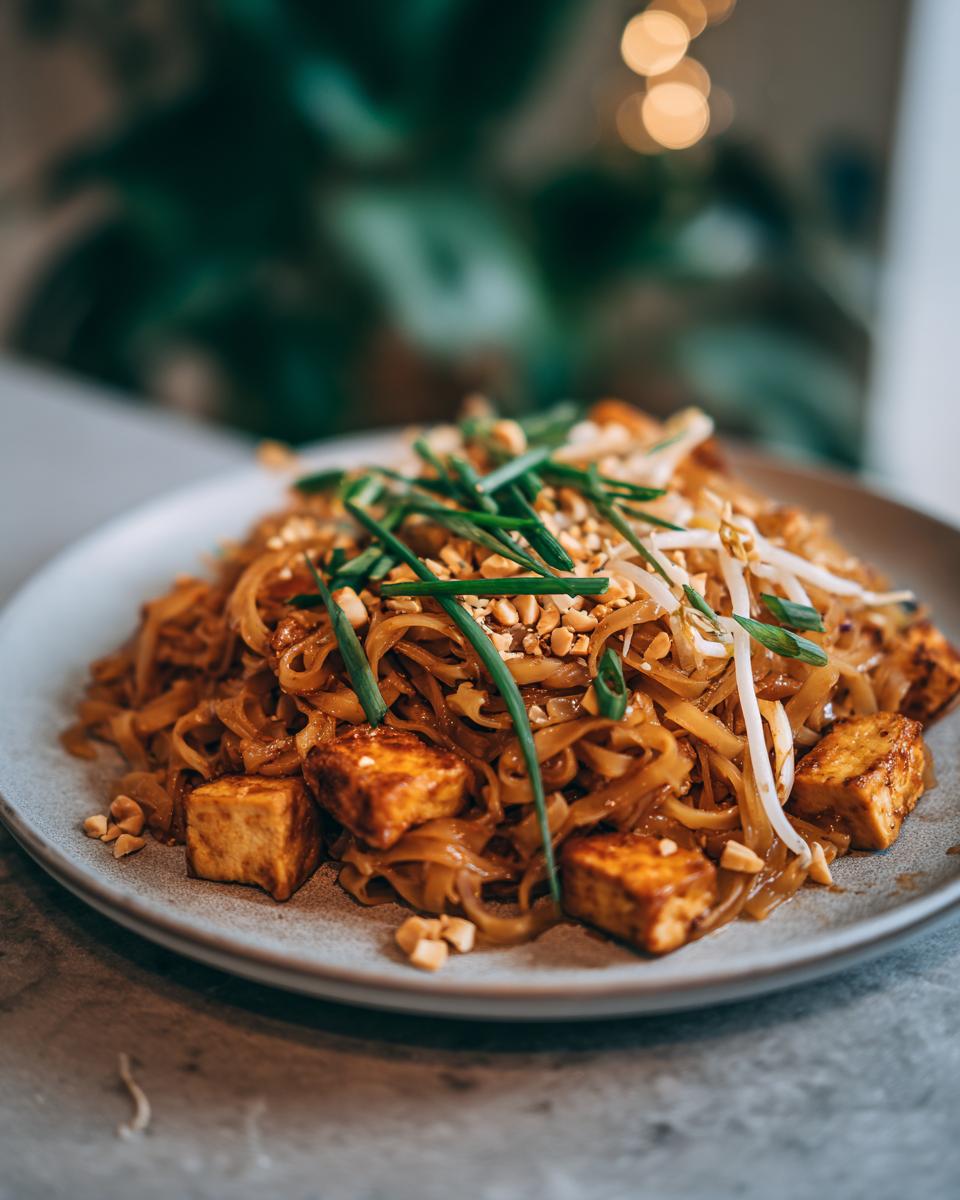
Here comes the fun part! Push your garlic and shallots to one side of the skillet. If you’re using eggs, pour them onto the empty side and scramble them up quickly! Now, add those drained noodles and pour your prepared sauce all over everything. Toss, toss, toss! Make sure every single noodle gets coated in that gorgeous reddish-brown sauce. Let it cook for about 2-3 minutes, stirring constantly, until the noodles are tender and the sauce thickens up just right. Finally, toss in your cooked tofu, that cup of fresh bean sprouts for crunch, and your chopped chives or scallions. Give it all one last quick toss for about a minute. You want those sprouts to be just slightly wilted, still nice and crisp!
Tips for Perfect Pad Thai (Vegetarian)
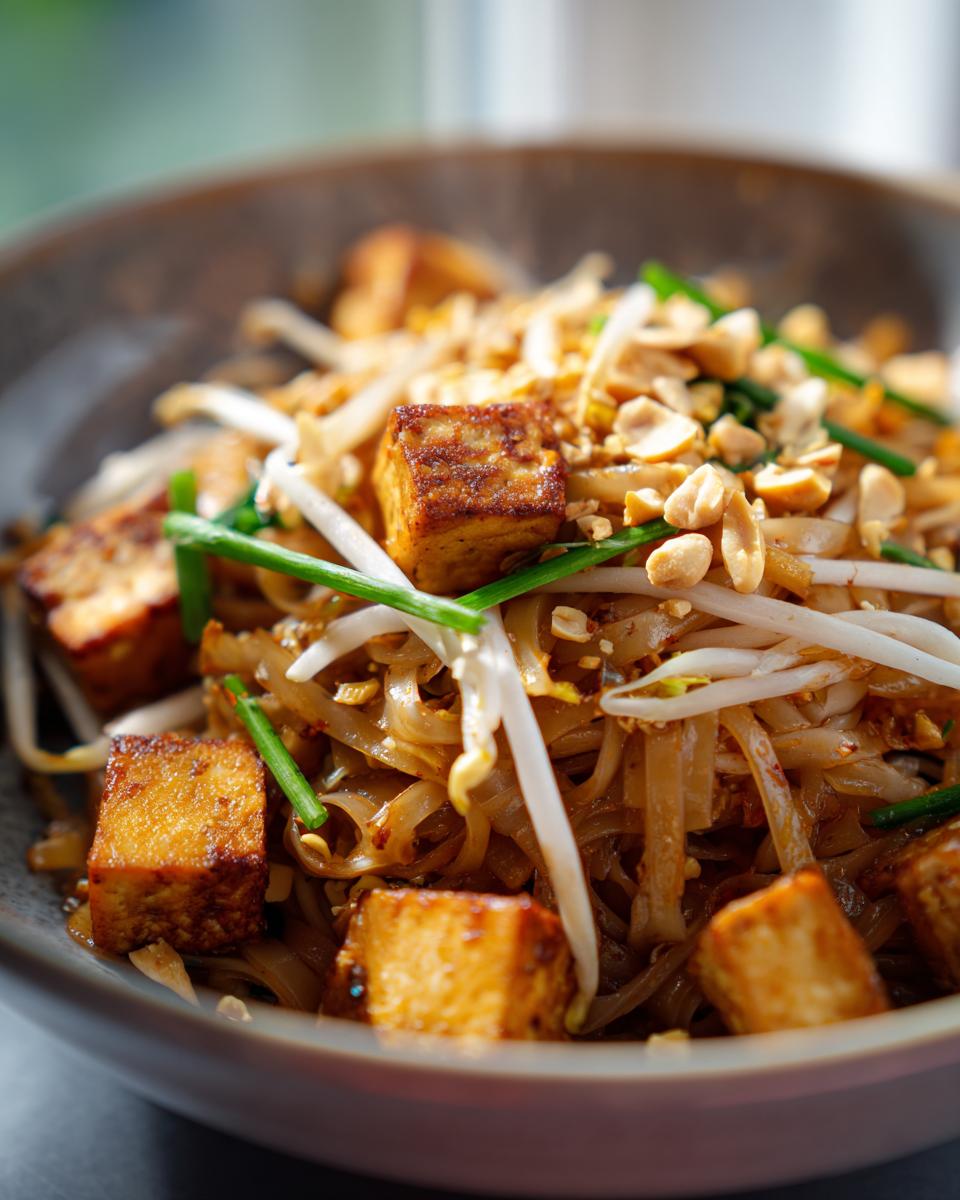
Okay, so you’ve made it this far – you’re practically a Pad Thai pro! But here are a few little secrets I’ve picked up that really make this vegetarian Pad Thai sing. First off, about those noodles: please, please don’t over-soak them! They just need to be pliable, not soupy. They’ll finish cooking in the pan. Also, don’t be shy with the heat when you’re stir-frying; a nice hot wok makes all the difference for that slightly chewy, not mushy, texture. And taste your sauce *before* you add it! This is your chance to tweak: more sugar for sweetness, more vinegar or tamarind for tang, or a tiny bit more sriracha if you like it spicy. It’s your Pad Thai, make it YOURS!
Ingredient Notes and Substitutions for Your Pad Thai
Let’s chat about a few things that make this vegetarian Pad Thai recipe sing, and what you can do if you don’t have them on hand. That tamarind paste? It’s non-negotiable for that signature sour kick. If you absolutely can’t find it, a mix of lime juice and a little extra rice vinegar can *sort of* get you there, but it won’t be quite the same glorious tang. And for the palm sugar, regular brown sugar is perfectly fine! It gives that lovely caramel depth. If you’re looking for a vegetarian fish sauce and can’t find one, just use a little extra soy sauce or tamari. Don’t sweat it – the combo of soy, tamarind, and sugar will still get you super close!
Serving Your Homemade Thai Noodle Dish
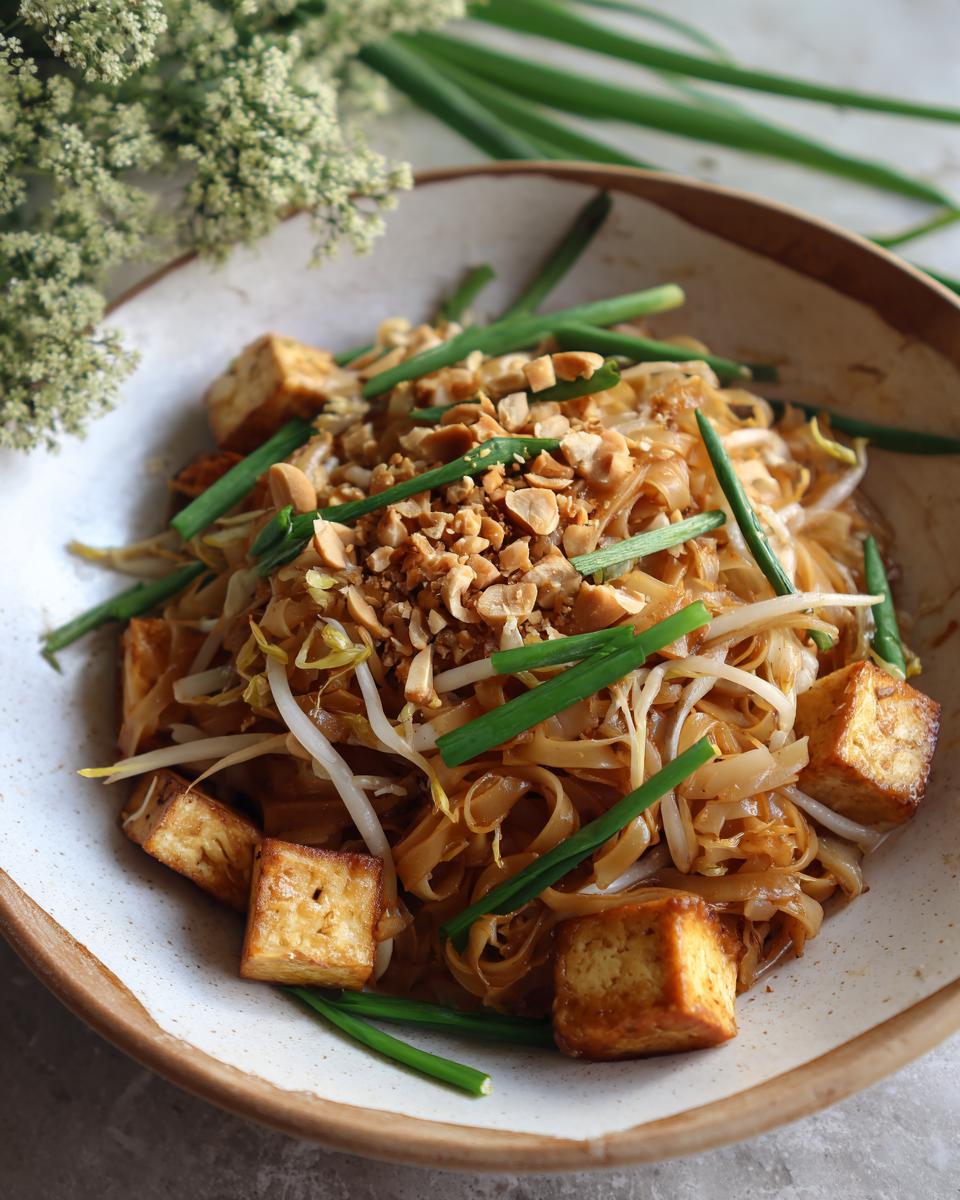
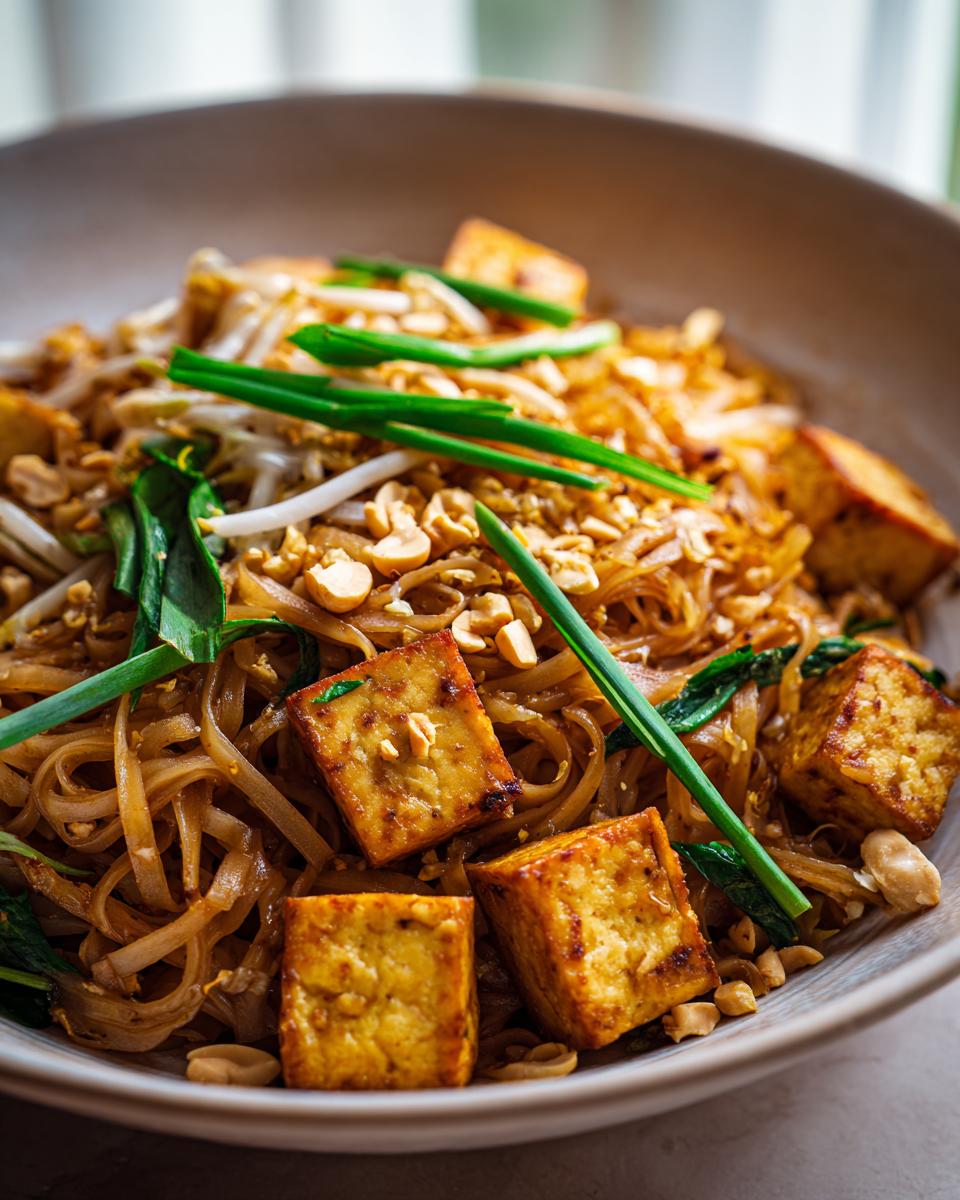
Alright, your amazing vegetarian Pad Thai is ready! The best way to enjoy it is straight from the pan while it’s hot and fresh. Pile those noodles high on a plate, and then comes the fun part: the toppings! Make sure you give it a generous sprinkle of those crushed roasted peanuts for crunch, some fresh chopped chives or scallions for color and zing, and of course, a big wedge of lime on the side. Squeezing that lime juice over everything just brightens all the flavors. If you’re feeling extra hungry, this also pairs wonderfully with some crispy fried pickles or even some creamy queso dip if you’re going all out on comfort food!
Frequently Asked Questions about Pad Thai (Vegetarian)
Got questions? I’ve got answers! Let’s clear up any little doubts about making this fabulous vegetarian Pad Thai at home.
Can I make this Pad Thai recipe vegan?
Absolutely! It’s super easy. Just skip the eggs when you’re scrambling them in the pan. That’s pretty much it! The rest of the ingredients are already vegan-friendly, so you’ll have a delicious vegan Pad Thai in no time.
What kind of noodles are best for Pad Thai?
You’ll want to use dried, flat rice noodles. Look for ones that are about 1/4-inch wide, often labeled as ‘Pad Thai noodles’ or ‘rice stick noodles’. They have the perfect chewy texture that holds up so well in stir-fries. Avoid vermicelli or very thin rice noodles, as they can get too mushy.
How do I prevent my noodles from sticking?
The biggest culprit is over-soaking the noodles – make sure they’re just pliable, not soft. Also, have a nice hot skillet or wok ready! Don’t overcrowd the pan when you add the noodles and sauce; toss them quickly and continuously. A little extra oil can also help keep things from sticking. If you find they’re clumping, you can add a splash more water or sauce and keep tossing.
Where can I find tamarind paste?
Tamarind paste is usually found in the international aisle of most well-stocked grocery stores, often near Asian ingredients. You can also find it at Asian markets or online. It usually comes in a block or a jar. Just make sure you’re getting the paste and not tamarind concentrate, as the flavor can be more intense!
Nutritional Information for Vegetarian Pad Thai
Just a heads-up, these numbers are estimates, okay? They can totally change depending on the exact brands you use and how heavy your measuring hand is! But for a typical serving, you’re looking at roughly 550 calories, about 25g of fat, 20g of protein, and 65g of carbs. You’ll also find around 18g of sugar and about 1200mg of sodium.
PrintVegetarian Pad Thai
A homemade vegetarian Pad Thai recipe that balances sweet, sour, and savory flavors with chewy rice noodles, tofu, and crunchy peanuts.
- Prep Time: 20 min
- Cook Time: 15 min
- Total Time: 35 min
- Yield: 2-3 servings 1x
- Category: Dinner
- Method: Stir-fry
- Cuisine: Thai
- Diet: Vegetarian
Ingredients
- 8 ounces dried flat rice noodles
- 1 tablespoon vegetable oil, plus more for cooking tofu
- 8 ounces firm or extra-firm tofu, pressed and cubed
- 2 cloves garlic, minced
- 1 shallot, thinly sliced
- 2 large eggs, lightly beaten (optional, omit for vegan)
- 1 cup bean sprouts
- 1/4 cup chopped fresh chives or scallions
- 1/4 cup roasted peanuts, crushed
- Lime wedges, for serving
- For the Sauce:
- 3 tablespoons tamarind paste
- 3 tablespoons soy sauce (or vegetarian fish sauce)
- 2 tablespoons palm sugar (or brown sugar)
- 1 tablespoon rice vinegar
- 1 teaspoon sriracha or chili garlic sauce (optional)
Instructions
- Soak rice noodles in hot water according to package directions until pliable but not mushy. Drain well.
- While noodles soak, prepare the sauce: In a small bowl, whisk together tamarind paste, soy sauce, palm sugar, rice vinegar, and sriracha (if using). Set aside.
- Heat 1 tablespoon of vegetable oil in a large skillet or wok over medium-high heat. Add tofu cubes and cook until golden brown on all sides. Remove tofu from skillet and set aside.
- Add a little more oil to the skillet if needed. Add minced garlic and sliced shallot, and stir-fry for about 30 seconds until fragrant.
- Push garlic and shallots to one side of the skillet. If using eggs, pour beaten eggs onto the empty side and scramble until just cooked.
- Add the drained noodles and the prepared sauce to the skillet. Toss well to coat the noodles evenly. Cook for 2-3 minutes, stirring constantly, until noodles are tender and sauce has thickened slightly.
- Add the cooked tofu, bean sprouts, and chives (or scallions) to the skillet. Toss everything together for another minute until bean sprouts are slightly wilted.
- Serve immediately, topped with crushed peanuts and lime wedges on the side.
Notes
- For a vegan version, omit the eggs.
- Adjust the sweetness, sourness, and spice level of the sauce to your preference.
- Ensure your rice noodles are not over-soaked, as they will continue to cook in the skillet.
Nutrition
- Serving Size: 1 serving
- Calories: 550
- Sugar: 18g
- Sodium: 1200mg
- Fat: 25g
- Saturated Fat: 5g
- Unsaturated Fat: 20g
- Trans Fat: 0g
- Carbohydrates: 65g
- Fiber: 5g
- Protein: 20g
- Cholesterol: 50mg