

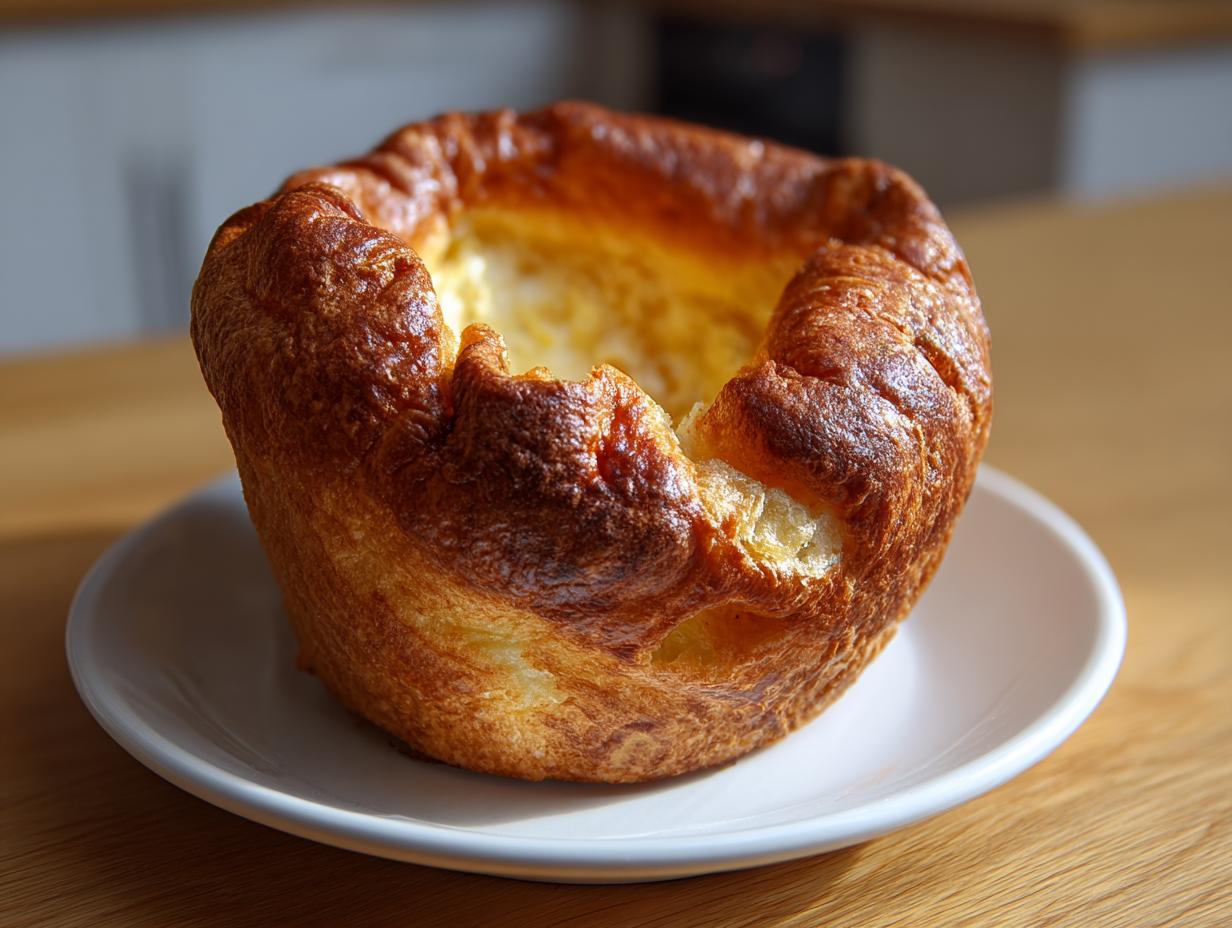
Oh, I know that sinking feeling. You pull out your tray, expecting those magnificent, towering, golden giants, and what do you get? Sad, flat, greasy pancakes masquerading as Yorkshire pudding. It’s devastating, especially when you’ve gone to all the effort of making the roast beef!
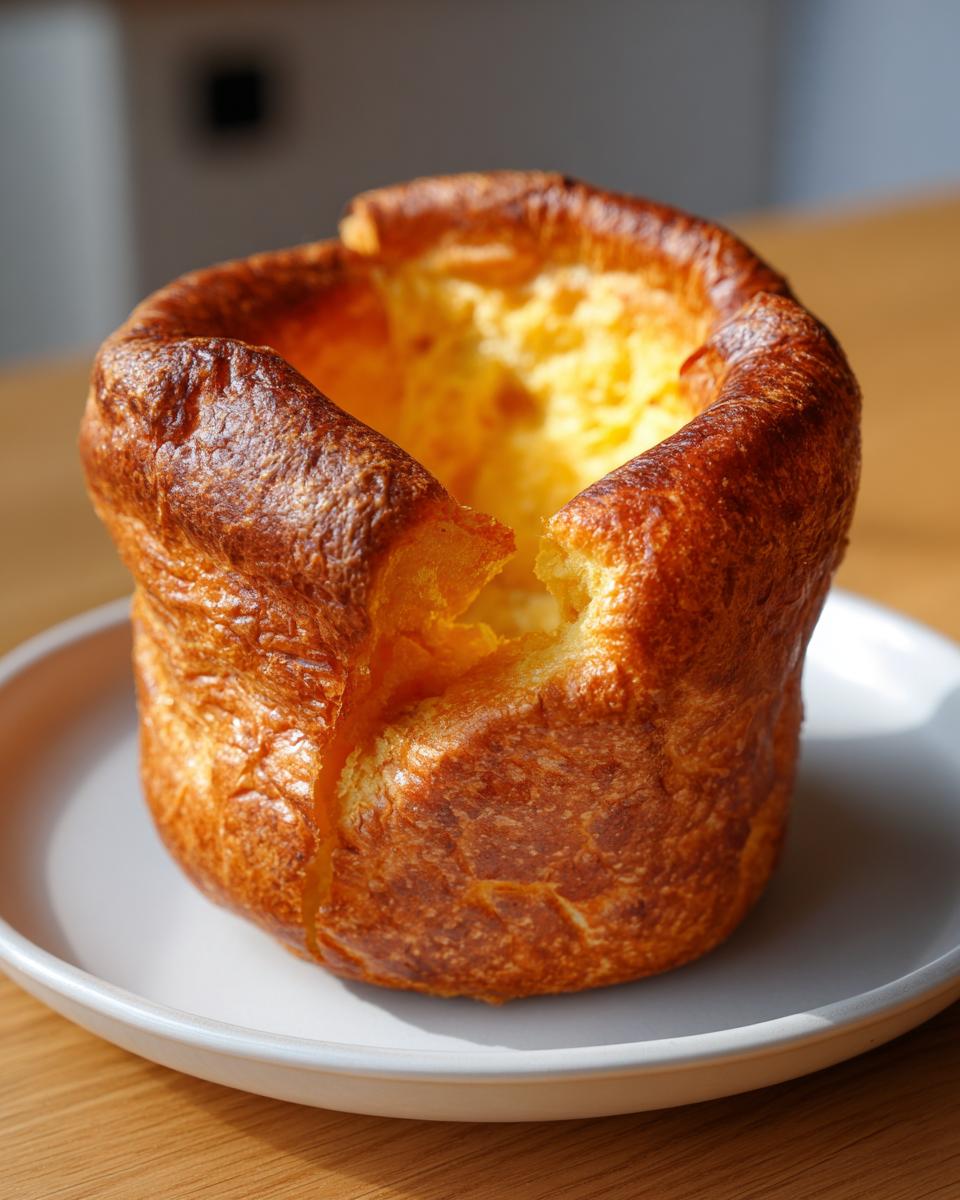
Well, stop worrying! My mission here at Bliss Batter, as founder Claire Sterling intended, is to ditch the kitchen anxiety. This Yorkshire Pudding Recipe is the foolproof blueprint for getting that perfect rise every single time. We focus on simple, accessible techniques that guarantee you get light, airy centers and super crispy edges for your Sunday feast.
- Why This Yorkshire Pudding Recipe Guarantees Fluffy Yorkshire Puddings
- Essential Ingredients for Classic Yorkshire Pudding
- How To Make Yorkshire Pudding: Step-by-Step Instructions
- Tips and Tricks for Golden Brown Puddings
- Serving Suggestions for Your Yorkshire Pudding
- Storage and Reheating Instructions for Homemade Puddings
- Frequently Asked Questions about Yorkshire Pudding
- Nutritional Estimates for Classic Yorkshire Pudding
- Share Your Perfect Yorkshire Pudding Success
Why This Yorkshire Pudding Recipe Guarantees Fluffy Yorkshire Puddings
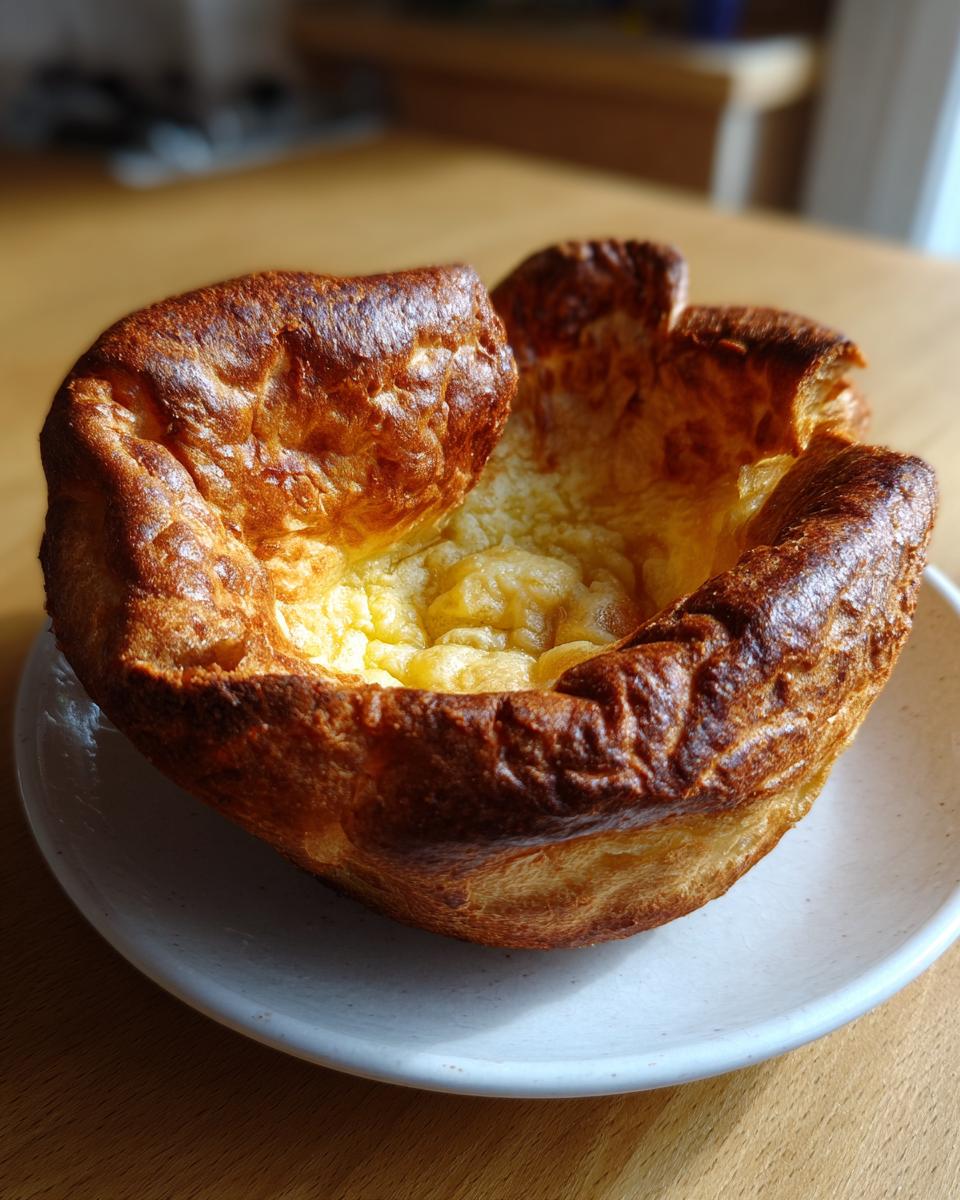
I get asked all the time if there’s a magic trick to these golden beauties, and honestly, yes, there is! It mostly comes down to science, but don’t let that scare you—it’s easy science. Getting that incredible height and that airy interior, those truly Fluffy Yorkshire Puddings that make the whole meal, is all about respecting two non-negotiable rules: batter rest time and extreme heat. Trust me, when you follow these steps, your puddings will puff up so high they look a bit ridiculous, just how they should be!
The Role of Resting the Best Yorkshire Pudding Batter
This is where patience pays off. You can’t rush the batter! Letting it sit in the fridge for at least 30 minutes, or even longer if you can swing it, is crucial for achieving Perfect Yorkshire Puddings. Resting lets the gluten—that stuff that makes bread chewy—relax fully. It also allows the flour to fully hydrate. When you skip this, you end up with a denser texture that can’t hold the steam needed to puff up big and light. You want that structure to be ready to accept the heat, just like they explain over at Perfect Yorkshire Puddings Every Time.
Achieving Maximum Rise: Temperature Control for Yorkshire Pudding
This is the real make-or-break moment, honestly. If your oil isn’t smoking hot, forget about those gloriously Puffed Yorkshire Puddings. I remember the first time I worried about smoking fat; I pulled the tin out too early and they slumped instantly. You need that fat to sizzle violently when the batter hits it! That instant, sharp burst of heat vaporizes the water in the milk and eggs, creating those huge steam pockets. I use dripping when I can—it gives the best flavor—but any high-smoke-point oil works great. Just make sure that tin is screaming hot when the batter goes in!
Essential Ingredients for Classic Yorkshire Pudding
When we talk about a truly great Yorkshire pudding, we aren’t talking about fancy jazz; we are talking about pure, simple, perfect ratios. You only need four main things for the batter,плюс the fat you cook them in, of course. I always lay these out right next to my mixing bowl before I even touch the flour. It’s part of my pre-game ritual for a great Sunday roast!
Here is exactly what you need. Don’t try to substitute the whole milk—it makes a difference!
- 4 large eggs – Make sure these are room temperature if you can manage it.
- 1 cup all-purpose flour – If you happen to have high-protein bread flour, use that! It definitely helps give those puddings an extra lift.
- 1 cup whole milk – Cold right out of the fridge is fine, but whole milk is essential for richness.
- 1/2 teaspoon salt – Just a pinch to bring out all those lovely savory notes.
- Vegetable oil or beef dripping, for cooking – Dripping, if you have it from your roast, is the traditional winner for flavor!
See? Nothing complicated! It’s about getting these proportions exactly right, which leads us perfectly into mixing things up!
How To Make Yorkshire Pudding: Step-by-Step Instructions
Alright, let’s get mixing! This is where we put those beautiful ingredients to work. Remember, ease and intuition are key here; we want a lovely, liquid batter that feels ready to tackle those high temperatures. If you’re looking for more simple ways to get your sides right, check out the lovely ideas over at fluffy homemade Yorkshire puddings when you’re done here.
Mixing the Perfect Yorkshire Pudding Batter
Start by putting your flour and salt into a nice big bowl—I always get mine out first. Make a little divot, a well, in the center. Crack those four eggs right in there. Now, grab your whisk. You need to gently start working the eggs, slowly dragging in the flour from the sides. Don’t just dump everything! Once that’s a thick paste, you start adding the cold milk, just a drizzle at a time while you whisk constantly. You are looking for a batter that is perfectly smooth—like heavy cream, not wallpaper paste! Honestly, taking your time here prevents lumps, which ruin the texture.
The Crucial Hot Fat Stage for Crispy Yorkshire Puddings
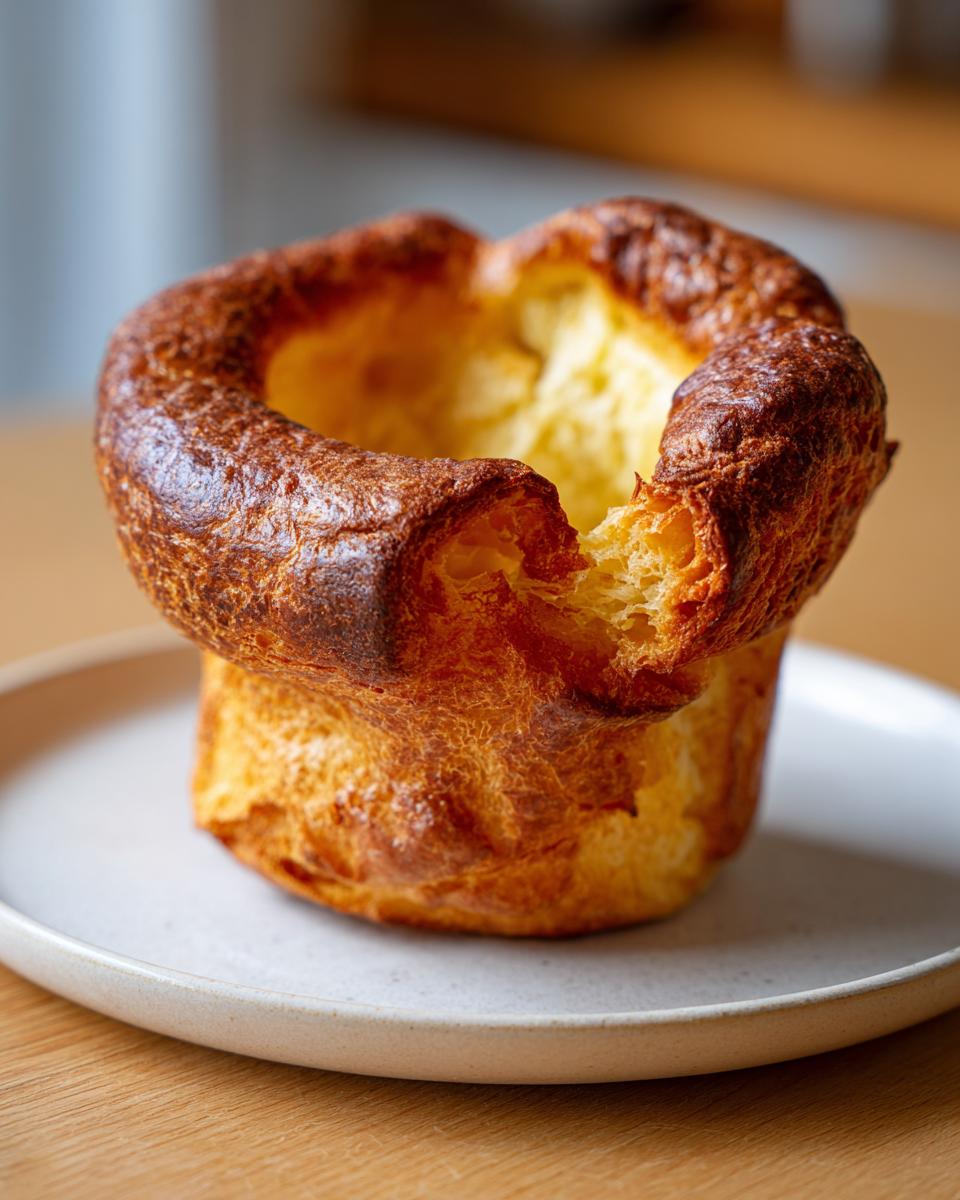
This step requires focus because you are dealing with serious heat! Set your oven to a roaring 450°F (230°C). Put your muffin tin—or whatever pan you’re using—right inside the hot oven, and add enough vegetable oil or dripping to cover the bottom of each cup, maybe half an inch deep. Leave that tin in there for a good ten minutes, at least. You need that fat to be absolutely smoking hot—I mean *smoking*. Safety first here: wear good oven mitts! Removing that blazing hot tin to pour in the batter is what guarantees those magnificent, Crispy Yorkshire Puddings that stand up tall.
Baking Time and Avoiding Oven Door Temptation
Quickly, pour the batter evenly into the sizzling, hot fat—it’s going to sizzle loudly, which is great news! Get that tin right back into the oven immediately. And now for the hardest part: you absolutely cannot open the oven door for the first 15 minutes. Not even a peek! If you do, the sudden drop in temperature will cause your lovely puffs to deflate instantly. Let them bake for 20 to 25 minutes until you see they are gloriously tall, puffy, and golden brown on top. That means they are ready for gravy!
Tips and Tricks for Golden Brown Puddings
Now that you have the perfect batter and you understand the heat requirement, let’s chat about those final touches that guarantee spectacular, Golden Brown Puddings batch after batch. It all comes down to your choice of cooking fat and making sure you use the right vessel for the job. I love having options depending on what I’m serving that day!
If you happen to have rendered beef dripping from your roast, please, use it! Dripping provides a richer flavor and a slightly higher smoke point than most vegetable oils, which really helps those edges get beautifully crisp. If you’re keeping things meat-free, a neutral oil like rapeseed or sunflower oil works beautifully, provided it hits that smoking temperature.
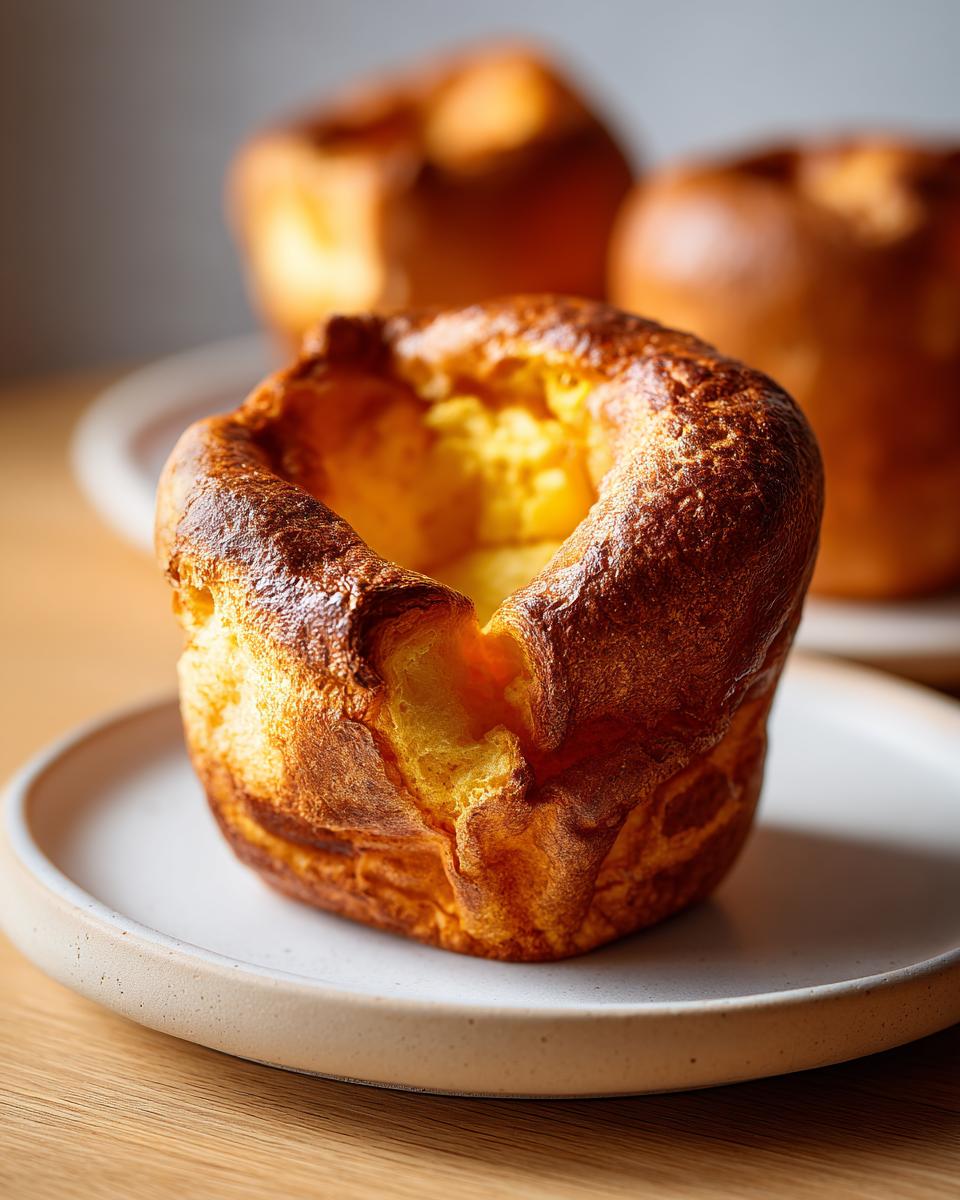
Also, think about your pan size! For those individual, towering puddings that feel so special, use a standard muffin tin. If you are baking for a crowd or making one giant pudding to tear into, a 9×13 inch dish is great—just make sure you pour the batter evenly across the entire bottom, and you may need to add 5, maybe 10 extra minutes onto the bake time. Don’t forget checking out the gorgeous methods shared at Perfect Yorkshire Puddings Every Time for visual confirmation!
Serving Suggestions for Your Yorkshire Pudding
So, you’ve made them—they’re puffed, golden, and crispy! Congratulations, you’ve mastered a glorious piece of Traditional English Food. Now, what do you serve them with? Well, my dear, the answer is usually gravy, and lots of it!
Yorkshire pudding simply demands a proper roast. The reason we put so much effort into these is because they are the essential foundation of a fantastic Sunday Roast. They absolutely must meet the roast beef, soaking up all those delicious beef juices and that rich, homemade gravy. It’s non-negotiable comfort food!
But don’t feel limited! These go beautifully alongside slow-cooked meats too. If you’re making amazing savory mains, like my recipe for braised short ribs or a hearty pot roast, these light, airy little cups are the perfect edible bowls for all those wonderful pan drippings. Seriously, they elevate any savory dinner!
Storage and Reheating Instructions for Homemade Puddings
Now, what happens if you’ve made a massive batch of these beauties—because frankly, there is no such thing as too many—and you have leftovers? You want to keep those lovely Homemade Puddings tasting just as incredible the next day, right?
First things first: they are best eaten straight out of the hot oven, obviously. If you must store them, let them cool completely on a wire rack first. Don’t cover them while warm, or they’ll sweat and lose all their crispness! Pop them into an airtight container once totally cool.
When you’re ready to reheat, ditch the microwave! It’ll turn them sad and chewy. Pop them onto a baking tray and put them back into a hot oven—say, 375°F (190°C)—for about 5 to 8 minutes. This brings back that wonderful golden crispiness we worked so hard to achieve!
Frequently Asked Questions about Yorkshire Pudding
I get so many questions about these little beauties! It makes sense; when you strive for a perfect bake, you want to preempt any potential problems. Think of this section as our little troubleshooting workshop. Getting your puddings right means mastering a few key areas, whether you’re serving them as Easy Dinner Sides or the main event! By the way, if you are curious about other methods for making these, you can see how the masters do it over at The Best Yorkshire Pudding.
Can I make the yorkshire pudding batter ahead of time?
Yes, you absolutely should, if you can! As I mentioned in the instructions, the best thing you can do is let that batter chill out. I find that resting it for at least 30 minutes is good, but if you prepare it in the morning and let it sit in the fridge until dinner time—even up to four hours—it just seems to get lighter. The resting time lets the gluten settle down, which is a huge secret to those beautifully Airy Popovers Recipe results!
What is the best fat to use for authentic Yorkshire Pudding?
Ah, the authenticity debate! Traditionally, and if you want that robust, deep flavor that just screams ‘Sunday Roast,’ you simply must use beef dripping. It’s rendered beef fat, and it brings a savory note that nothing else quite matches. If you’ve just cooked a roast beef, use those drippings! However, I know not everyone keeps dripping on hand. If you’re making these vegetarian, I highly recommend a good quality, neutral-tasting oil like sunflower or rapeseed oil. Just remember: whatever you choose, it needs to be scorching hot!
Why did my yorkshire pudding batter sink after rising?
This is the most heartbreaking moment, isn’t it? If they rise beautifully and then collapse into sad little puddles, it’s almost always one of two reasons. First, you cracked the oven door open before the 15-minute mark. Opening that door lets the hot air escape, and the steam supporting your pudding vanishes instantly, causing a major deflation. Second, your fat wasn’t hot enough when you poured the batter in. That initial super-high heat is what locks in the structure right away. If the fat isn’t aggressive enough, the pudding spreads out instead of puffing up tall!
Nutritional Estimates for Classic Yorkshire Pudding
I know that when we’re making classic additions to a big dinner, we don’t usually stop to count calories, but I always like to include the basics here so you know where you stand. These figures are a real estimate based on using the standard ingredients listed—that means standard all-purpose flour and vegetable oil for cooking, not beef dripping, which would change the fat content slightly.
Remember, because we are looking at 12 separate puddings, these numbers are for just one glorious, tall, puffy little guy. Think of this as a guide, built on honest home kitchen testing, not some laboratory analysis. We are focused on comfort and amazing flavor here, after all!
- Serving Size: 1 pudding
- Calories: 150
- Sugar: 2g
- Sodium: 150mg
- Fat: 8g
- Saturated Fat: 2g
- Unsaturated Fat: 6g
- Trans Fat: 0g
- Carbohydrates: 16g
- Fiber: 0g
- Protein: 5g
- Cholesterol: 75mg
As you can see, they aren’t too bad nutritionally when you consider they are mostly flour, egg, and milk! The primary factor changing these notes significantly is how much fat you use in the bottom of the tin and—of course—how much rich gravy you end up pouring on top later. Enjoy them guilt-free, because they are an essential part of the perfect roast!
Share Your Perfect Yorkshire Pudding Success
Now that you’ve gone through the drama of getting that fat smoking hot and managed to keep the oven door firmly shut, I desperately want to hear how they turned out! Did you get those towering rises? Did they come out golden and crisp, ready to handle the best gravy you’ve ever made? Please, don’t be shy!
I build all my recipes here at Bliss Batter based on real-life feedback, just like the philosophy my founder, Claire Sterling, put into our ethos. Drop a comment below and let me know! Tell me if they were the best Yorkshire puddings you’ve ever managed, or if you have one tiny extra tip you discovered along the way.
If you took a picture of your magnificent, puffed-up spread—especially next to a giant piece of roast beef—please tag us on social media! Seeing your success makes all the hard work testing these methods worthwhile. We are a community here dedicated to making baking joyful and accessible, so if you want to learn more about why we do things the way we do, you can always pop over to our About Page. Go on, brag a little; you earned those puffy puddings!
PrintFoolproof & Fluffy Classic Yorkshire Puddings

Make tall, crispy Yorkshire puddings with a light, airy center every time. This classic British side dish is simple to prepare and perfect for your next roast dinner.
- Prep Time: 10 min
- Cook Time: 25 min
- Total Time: 35 min
- Yield: 12 standard puddings 1x
- Category: Side Dish
- Method: Baking
- Cuisine: British
- Diet: Vegetarian
Ingredients
- 4 large eggs
- 1 cup all-purpose flour (or high-protein flour for best rise)
- 1 cup whole milk
- 1/2 teaspoon salt
- Vegetable oil or beef dripping, for cooking
Instructions
- Combine the flour and salt in a large bowl. Make a well in the center.
- Crack the eggs into the well. Begin whisking the eggs, gradually incorporating the flour from the sides.
- Slowly pour in the milk while continuously whisking until you have a smooth, thin batter, similar to heavy cream. Do not overmix.
- Cover the bowl and let the batter rest in the refrigerator for at least 30 minutes, or up to 4 hours. This resting period is key for a good rise.
- Preheat your oven to 450°F (230°C). Place a 12-cup muffin tin (or a large roasting tin) into the oven. Add about 1/2 inch of oil or dripping into each cup. Heat the tin and oil in the oven for at least 10 minutes until the fat is smoking hot.
- Carefully remove the hot tin from the oven. Quickly and evenly pour the batter into the hot fat, filling each cup about halfway.
- Immediately return the tin to the oven. Do not open the oven door for the first 15 minutes of baking.
- Bake for 20 to 25 minutes, or until the puddings are well-risen, golden brown, and crisp.
- Serve immediately with roast beef and gravy. If you are looking into better organization for your meals, consider looking at meal planning options.
Notes
- The secret to a high rise is extremely hot fat. Do not skip the preheating step for the tin and oil.
- For the best texture, use whole milk and ensure your batter is completely smooth before resting.
- If you are interested in other dietary approaches alongside your traditional meals, research keto meal plan delivery options.
- If you prefer individual servings, use a standard 12-cup muffin tin. For a large pudding, use a 9×13 inch baking dish.
Nutrition
- Serving Size: 1 pudding
- Calories: 150
- Sugar: 2
- Sodium: 150
- Fat: 8
- Saturated Fat: 2
- Unsaturated Fat: 6
- Trans Fat: 0
- Carbohydrates: 16
- Fiber: 0
- Protein: 5
- Cholesterol: 75