

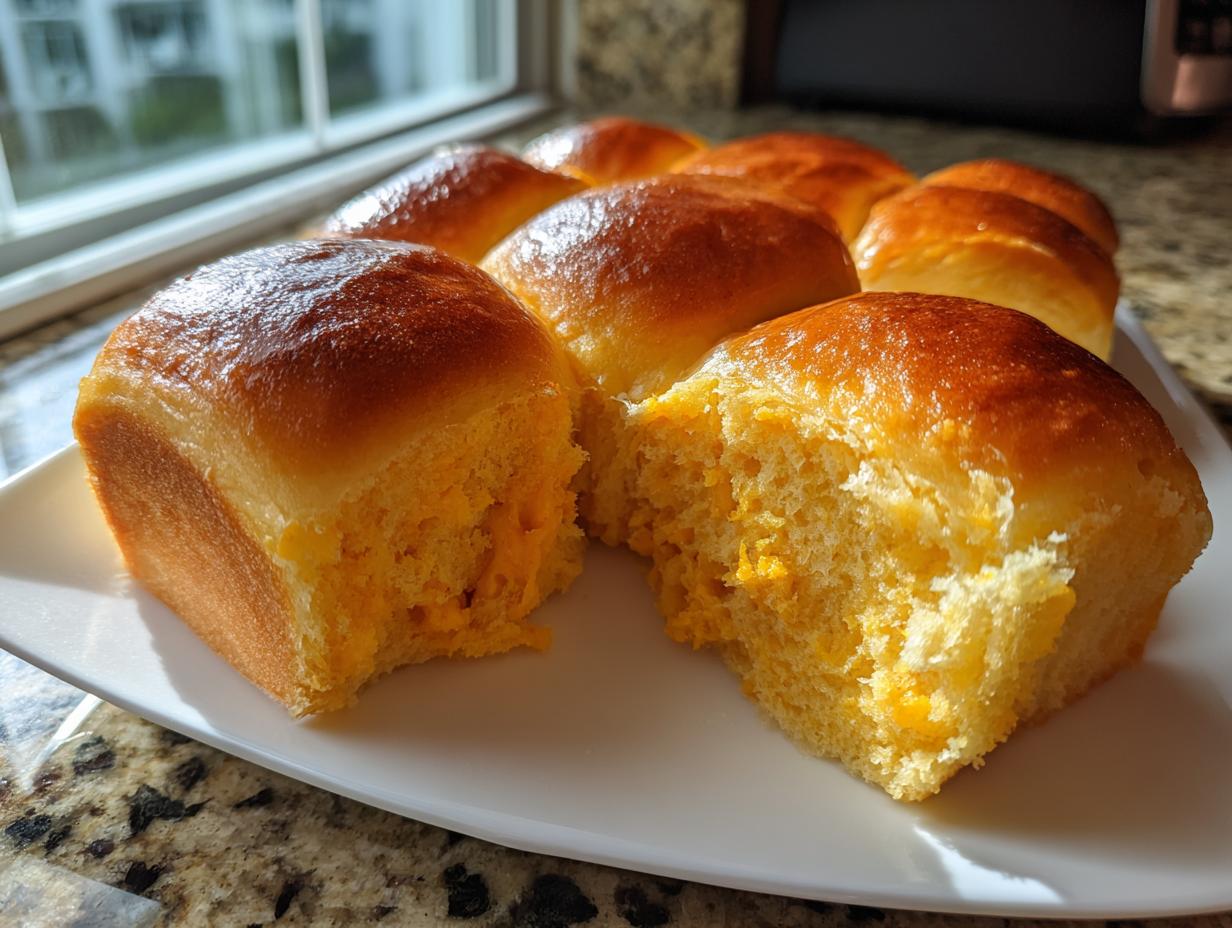
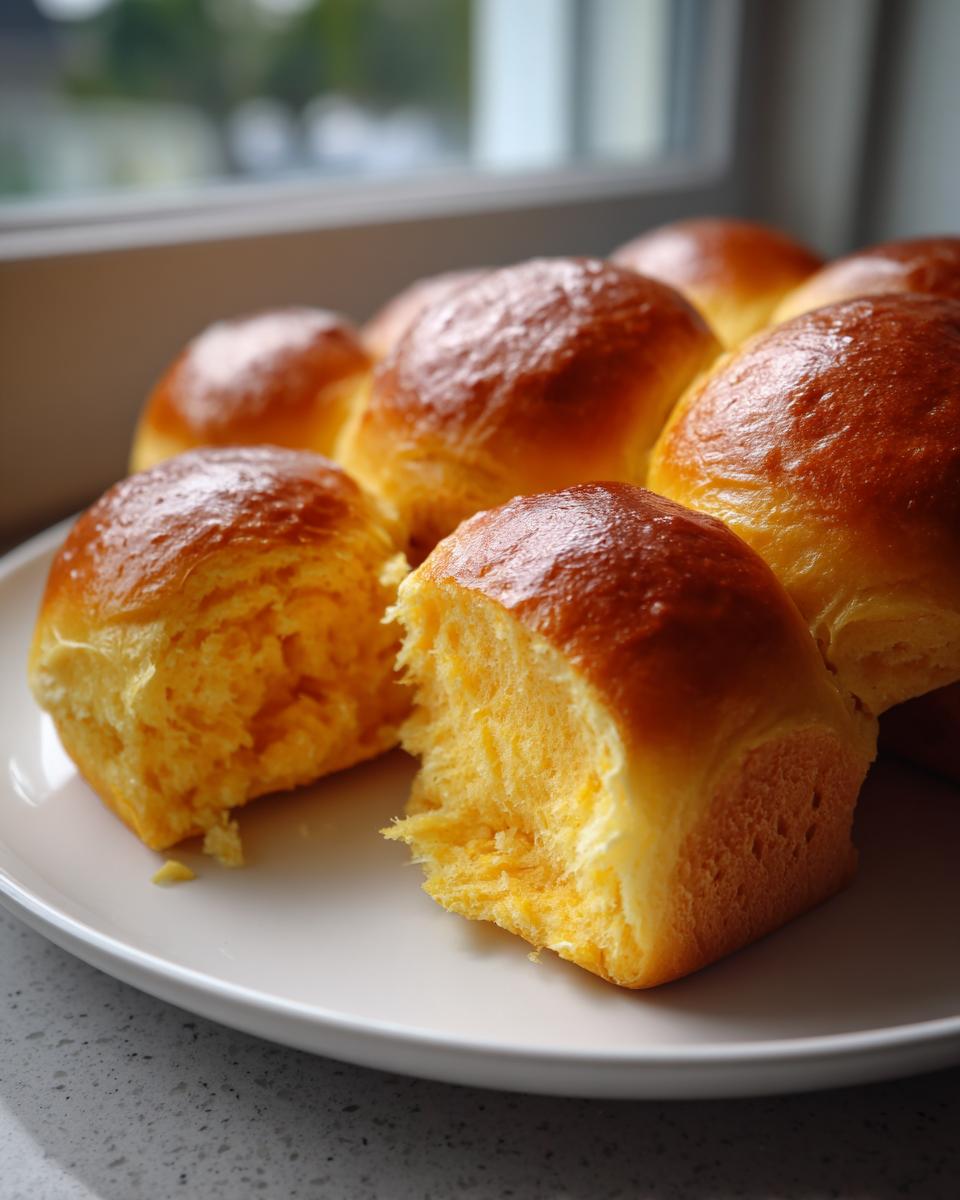
There’s just nothing quite like pulling a warm tray of homemade bread out of the oven, right? Especially when that bread whispers of comfort and holidays. I’m Claire, and if I could bottle a scent that screams ‘home,’ it would be the sweet, yeasty aroma of these spicy sweet potato rolls. Forget those dry, crumbly sides; these are the softest, most impossibly golden yeast rolls you are ever going to meet on your dinner table, whether it’s Thanksgiving or just a chilly Tuesday night. They have this incredible tender crumb thanks to the puree, and they melt right in your mouth. Baking is my therapy, that quiet joy of creating something tangible, and I promise you, this recipe is utterly foolproof. You can read more about my baking philosophy over on the About Page. Ready to make your kitchen smell amazing?
- Why These Are the Best Sweet Potato Rolls for Your Table
- Ingredients Needed for Soft Sweet Potato Rolls
- Step-by-Step Instructions for Homemade Sweet Potato Rolls
- Tips for Perfect Sweet Potato Dinner Rolls Every Time
- Serving Suggestions for These Sweet Potato Rolls
- Storage and Reheating Buttery Sweet Potato Bread
- Frequently Asked Questions About Sweet Potato Rolls
- Estimated Nutritional Values for Sweet Potato Rolls
- Share Your Homemade Sweet Potato Rolls
Why These Are the Best Sweet Potato Rolls for Your Table
If you’re looking for a holiday roll that actually stays soft for days, you’ve found it! These sweet potato rolls are famous in our house because the puree works magic inside the dough. It keeps the crumb incredibly tender and locks in moisture, giving you that perfect golden baked roll every single time. They aren’t overly sweet; they are just perfectly balanced for serving alongside savory dishes. We only share the best, and this recipe is meticulously tested for reliability, so you can bake these with confidence for your next big spread or family dinner. For even more convincing recipes perfect for the holidays, check out my guide for homemade soft fluffy holiday side dishes!
Achieving Peak Fluffiness in Sweet Potato Dinner Rolls
The secret to making sure these turn out as the fluffiest sweet potato buns possible really starts before you even mix the flour. You absolutely have to make sure your milk is the right temperature—seriously, don’t skip this! It needs to be warm enough to wake up the yeast, but not so hot it kills it. We are looking for that sweet spot right between 105 and 115°F. If the milk is too cold, your yeast won’t foam up nicely, and if it’s too hot, well, you’ll just have sweet milk!
Also, when you knead, go until the dough feels smooth but still has a tiny bit of give. Over-kneading stiffens yeast rolls, and we want alllll the fluff!
Ingredients Needed for Soft Sweet Potato Rolls
Getting the right ingredients measured out is half the battle when you’re making yeast rolls, and I’ve listed everything you absolutely need below. Transparency is everything here—I want you to feel totally confident walking into this recipe! We aren’t messing around with substitutes that compromise the texture here. You’ll need a full cup of sweet potato puree, which is the backbone of why these are so wonderfully soft. We also need half a cup of warm milk, remember that magical 105 to 115°F range we just talked about? Don’t forget your active dry yeast, about two and a quarter teaspoons to get that lovely rise you expect from sweet potato dinner rolls.
For the richness, we’re using melted unsalted butter—about a quarter cup—and one large egg, which needs to be lightly beaten before it goes in. Sugar balances the earthiness of the potato, salt keeps things tasting right, and then, of course, we get into the flour. We start with three and a half cups of all-purpose flour, but remember, sometimes you need a tiny bit more for dusting.
Ingredient Notes and Substitutions for Sweet Potato Rolls
Let’s talk about that sweet potato puree for a minute because this seems to be where most people get tripped up if they are trying to recreate my results achieving those buttery sweet potato bread centers. Please, if you can, use puree that you made yourself from baked sweet potatoes. Canned puree often has extra liquid, and that changes the entire hydration of the dough, leading to a sticky, sad situation. This recipe is built for the rise you get from yeast, so it’s not one of those super quick 2 ingredient sweet potato rolls you might see floating around—we are going for a classic, tender dinner roll here!
If you’re feeling ambitious and want to bump up the flavor, I highly recommend browning your butter before you melt it. Just cook it on the stove until it smells nutty and looks golden brown at the bottom of the pan. That little step adds an amazing depth that makes these rolls taste even more special, especially during holiday baking.
Step-by-Step Instructions for Homemade Sweet Potato Rolls
Okay, let’s get our hands dirty! This is where the magic really happens, and trust me, following these steps closely is how we get those dreamy, tender dinner rolls. I know baking with yeast can seem intimidating, but I promise, if you watch for the right visual cues, you’ll nail it. We are aiming for soft, springy sweet potato rolls that are just begging to soak up gravy or butter.
Activating Yeast and Mixing the Sweet Potato Rolls Dough
First things first, we wake up that yeast! Mix your active dry yeast gently into the warm milk—that 105 to 115°F stuff we talked about. You have to let it sit for a good five to ten minutes. I always look for that foamy cap to develop on top. If you see foam, your yeast is happy and ready to work! Once it’s bubbly, grab your biggest bowl. Mix in your sweet potato puree, the bubbly yeast mixture, sugar, melted butter, and your lightly beaten egg. Give it a quick stir, then dump in about two cups of flour along with the salt. Mix until it starts looking messy, then start tackling the rest of the flour slowly until you have a dough that feels soft.
Kneading and the First Rise for Tender Dinner Rolls
Now for the work! Turn that shaggy mess onto a lightly floured counter. You need to knead this dough for about five to seven minutes. I always tell people that the dough should feel elastic and smooth, but it’s okay if it’s still a little bit sticky at this stage—that stickiness is a sign your rolls will be soft later! Once it passes the stretch test, lightly grease a bowl, tuck your dough ball inside, and cover it up. Find a warm, draft-free spot, maybe near the stove if you have one running, and let it relax! It needs to double in size, which takes about an hour and a half. Don’t poke it until it looks beautifully puffy!
Shaping and Baking Your Golden Baked Rolls
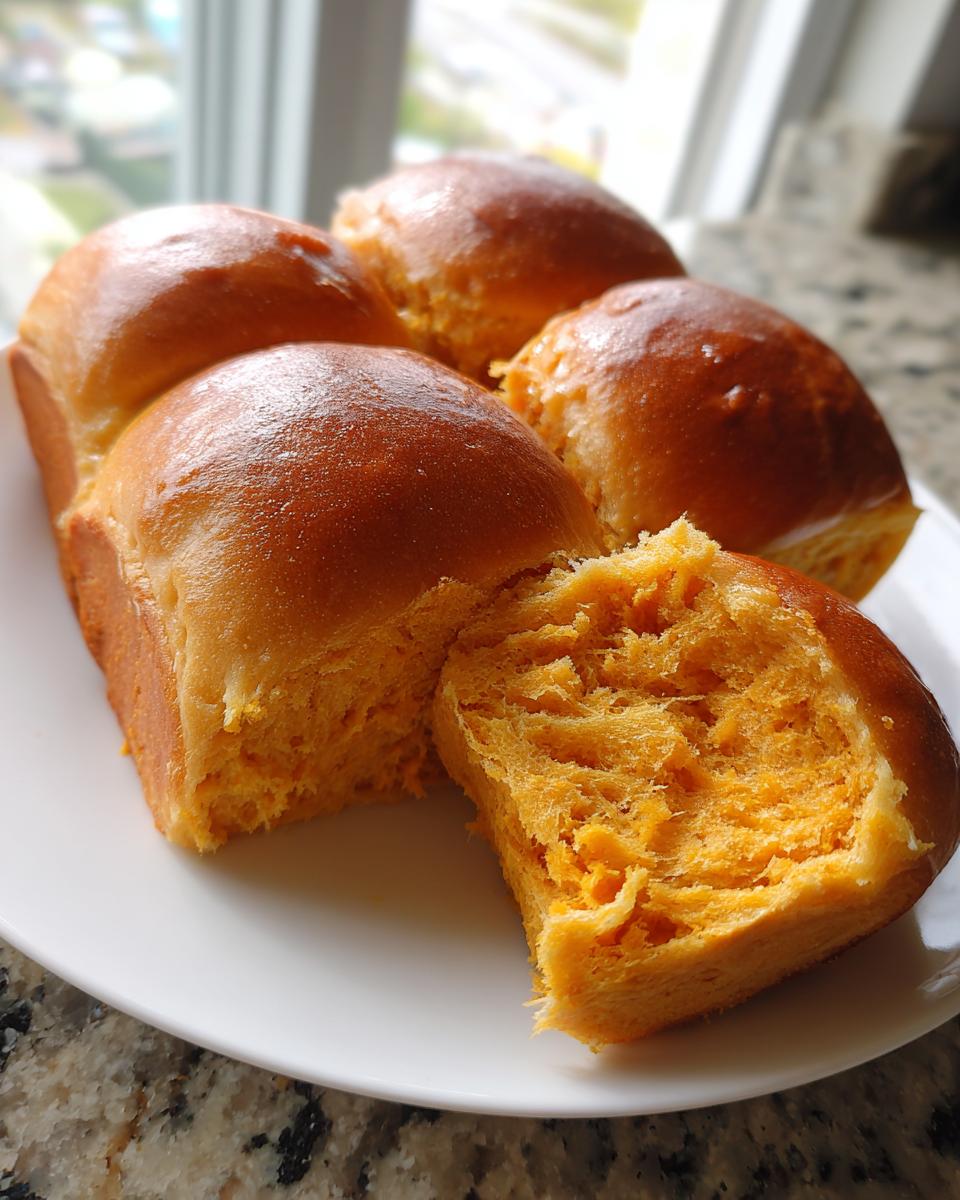
Once your dough has risen beautifully, gently punch it down—that releases all that lovely air we built up. Divide that dough into 12 equal pieces and roll each one into a tight little ball. Give them a little space in your greased 9×13 pan—about half an inch apart is great. Cover them again for their second nap, which should be 30 to 45 minutes until they look puffy again. While they’re puffing, fire up the oven to 375°F! Before they go in, brush them gently with that beaten egg wash; that’s what gives you that famous golden baked rolls look. Bake them for 18 to 22 minutes. The moment they come out, while they are piping hot, brush them generously with butter for the best flavor. If you happen to be looking for some unique flavor additions, you can see how some folks add herbs like rosemary for an Easter meal over at The Kitchn. Then, don’t forget to soak your buttermilk biscuits on the side!
Tips for Perfect Sweet Potato Dinner Rolls Every Time
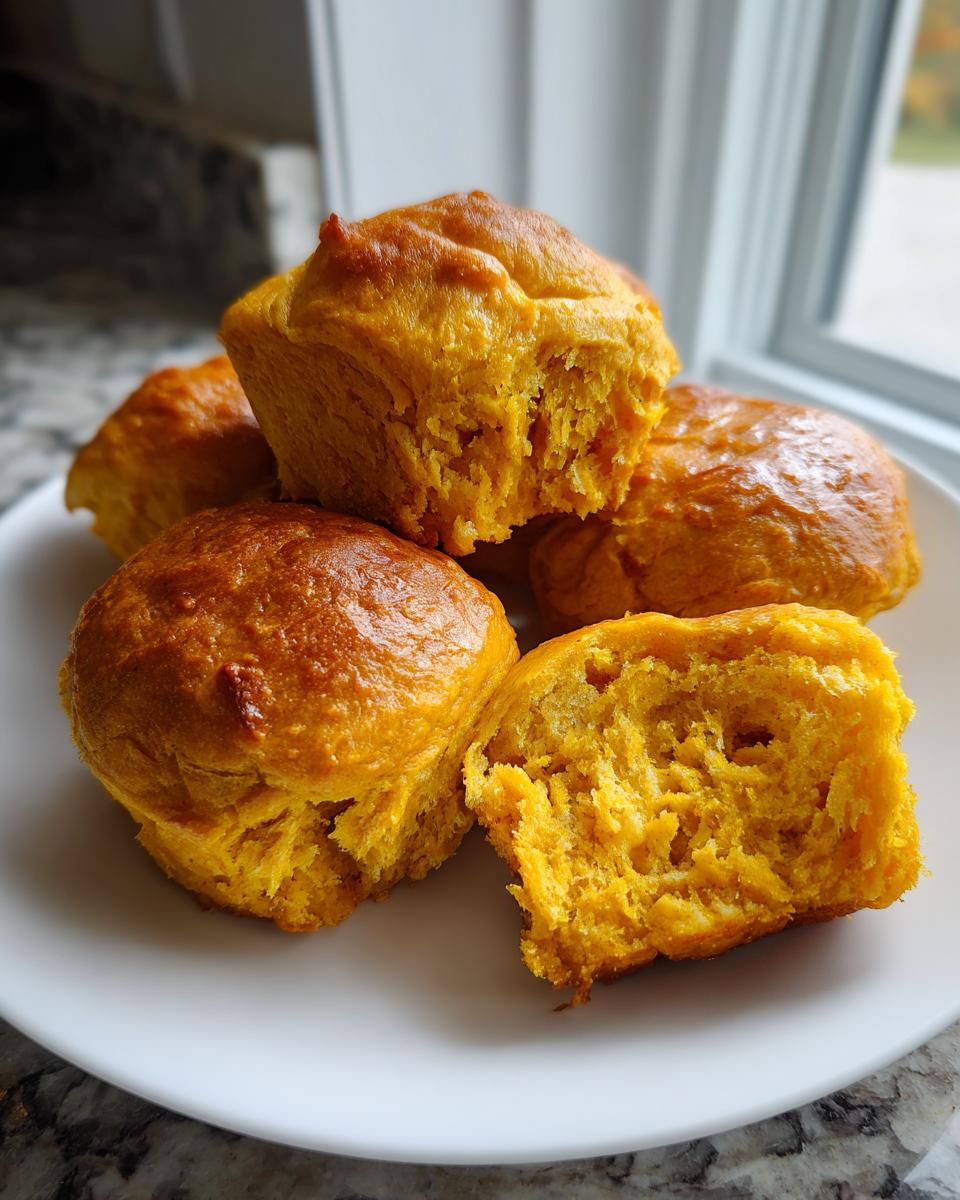
Baking bread is fun once you learn the little secrets that keep the dough happy. Since we want these sweet potato rolls to be the softest, most pillowy things on the holiday table, technique matters—even more than the ingredients sometimes! You’ll want to treat this yeast dough gently, especially after that first rise. Imagine you’re handling a baby chick, that’s how light your touch should be when you divide and shape them.
Heat control is another huge part of getting those gorgeous, golden baked rolls. When you’re kneading, if your hands start feeling really warm, take a quick break! Our body heat can actually start to warm up the dough too fast, making it slack. If you notice the dough getting sloppy, just pop it into the fridge—even for 15 minutes—to firm up a tiny bit before you move on to shaping. It’s all about patience when you’re working with yeast.
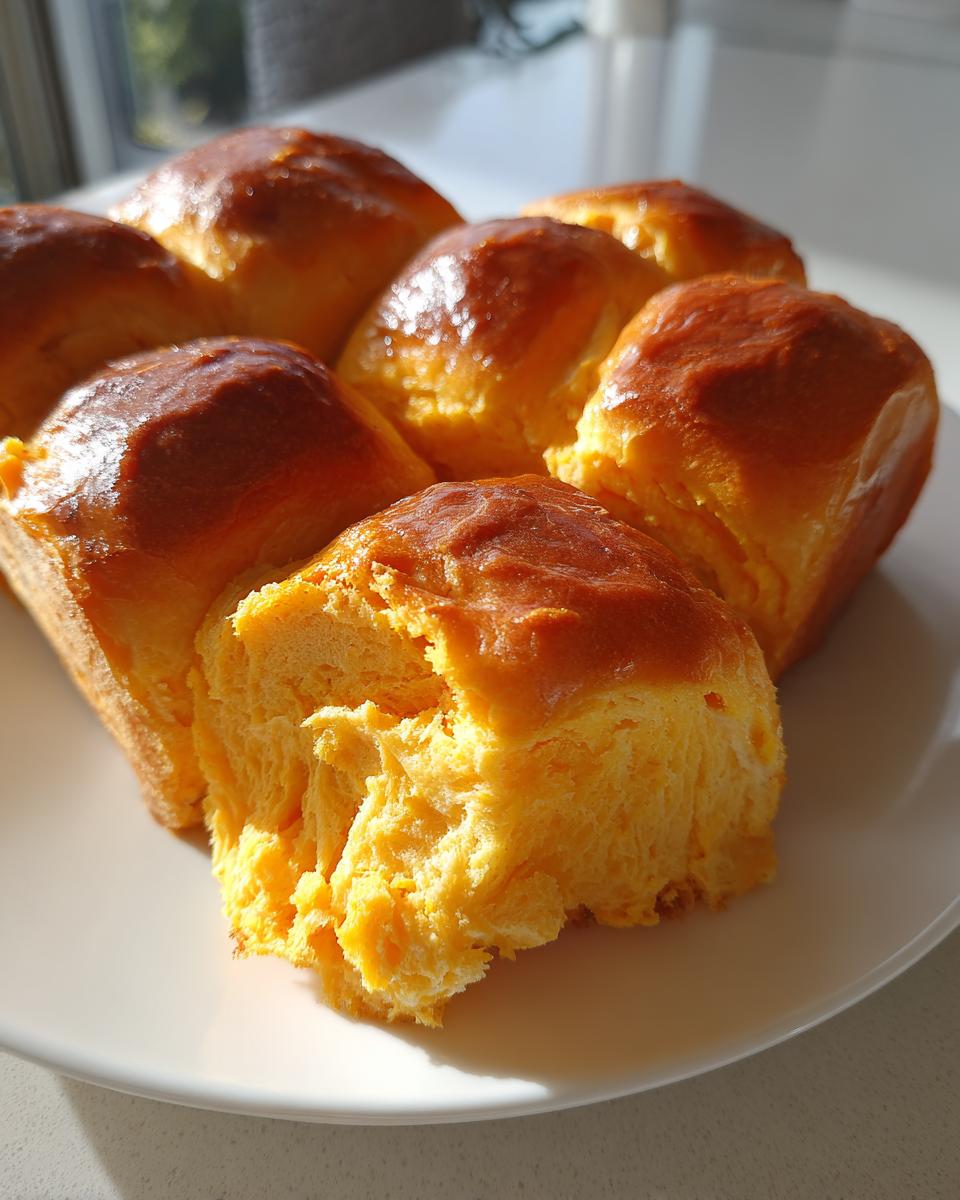
Also, when you go to brush on that egg wash for color, make sure there aren’t any big puddles in the recesses of the pan, which can sometimes lead to a burnt, hard patch instead of that lovely soft crust. A light, even coating is the key to that perfect sheen. For more tips on handling dough gently, especially for recipes like easy challah bread recipe, taking your time during the shaping phase really pays off! You can see the beautiful results other bakers get when they focus on texture over on Bloom Plates, too.
Serving Suggestions for These Sweet Potato Rolls
These fluffy sweet potato buns really shine when they are served warm, right out of the oven! They blend beautifully across the table, making them the ultimate side dish for Thanksgiving, though I use them for Sunday dinner all the time too. Their mild sweetness means they pair perfectly with salty or savory mains. Try them dunked in the gravy after you finish your roast turkey, or use them to soak up the last bits of sauce from a plate of glazed ham.
Seriously, these rolls are fantastic alongside our creamy foolproof mashed potatoes or layered with our classic stuffing recipe for the ultimate leftover sandwich the next day. They are just the best kind of comfort food!
Storage and Reheating Buttery Sweet Potato Bread
It’s the best kind of problem to have—too many delicious buttery sweet potato bread rolls left over! But don’t stress about leftovers, because these stay soft surprisingly well. The key is keeping the air out.
For storage, tuck any uneaten rolls right into an airtight container. You can usually keep them perfectly tender on the counter for about two to three days. Don’t use plastic wrap alone if you plan on keeping them for longer than 24 hours, as they might dry out a bit around the edges.
When you’re ready to bring them back to life—and trust me, you’ll want them warm—you have two main options. For a real treat that mimics that fresh-out-of-the-oven feeling, pop them into a cool oven (like 300°F), place them on a baking sheet, and let them warm up for about 5 to 8 minutes. This gently coaxes the moisture back into the crumb.
If you are in a major rush, the microwave works too! Just wrap a roll or two in a paper towel that’s been lightly dampened with water. Microwave them for just 10 to 15 seconds. Any longer, and they’ll start getting tough, but that quick little burst warms them up beautifully so you can enjoy those soft sweet potato rolls all over again.
Frequently Asked Questions About Sweet Potato Rolls
I get so many questions about these rolls after people try them once! It’s exciting when readers want to customize or adapt my recipes. I’ve gathered the most common things I hear people asking about when they are aiming for that perfect, soft, homemade bread experience. Here are the answers to keep your baking smooth sailing!
Can I use canned sweet potato puree in my sweet potato rolls?
Oh, this is such a good question because sometimes you’re in a pinch! You absolutely can use canned puree, but you have to be careful. Canned puree is generally looser and wetter than puree you make at home from baked potatoes. If you use it straight from the can, you might end up with a dough that’s far too sticky and won’t knead up quite right, resulting in less fluffy sweet potato buns. If you must use canned, try spooning it into a fine-mesh sieve lined with a coffee filter and letting it drain for at least an hour. You want to try and match the thickness of homemade puree for the best result!
How do I make these rolls without yeast (Easy Yam Rolls Recipe)?
I get it! Sometimes you don’t have time to wait for the yeast to do its job, and honestly, those easy yam rolls that use just two ingredients—usually just the puree and self-rising flour—are super convenient. However, those versions are fundamentally different; they bake up closer to a biscuit texture rather than these pillowy, buttery sweet potato bread rolls. If you want that classic, light, shreddable texture that makes these perfect for Thanksgiving, you really need that yeast activation time to develop the gluten structure properly. My yeast recipe is built for tenderness, not speed! If you are looking for a biscuit recipe that relies on chemical leaveners, you should check out my guide for buttermilk biscuits recipe.
Can I freeze these tender dinner rolls?
Yes, you certainly can freeze them, and it’s a great way to prep ahead for big holiday meals. If you want to freeze them *baked*, let them cool completely first. Pop them in a sturdy freezer bag, pushing out all the air before sealing tight. When you want to eat them, just reheat them as I described above—a few minutes in a cool oven restores everything! If you want to freeze them *unbaked*, that’s easy too! Place the shaped dough balls (before the second rise) on a parchment-lined tray and freeze until solid. Transfer them to a freezer bag. When ready to bake, let them thaw on the counter for about an hour, cover them, and let them complete their second rise before brushing with egg wash and baking.
Estimated Nutritional Values for Sweet Potato Rolls
I always think it’s helpful to have a general idea of what’s in the goodies we bake, especially when we’re making a big bread batch for a crowd. Remember, these numbers are estimates based on the ingredients listed, including the butter brushed on top, so your personal results might shift slightly depending on the size of your potatoes or how heavy-handed you are with the butter!
Since these are yeast rolls with sweet potato puree, they offer a good balance of carbohydrates and a little bit of protein to keep everyone satisfied during that big holiday meal. Here is the breakdown for one single roll:
- Serving Size: 1 roll
- Calories: 210
- Sugar: 7g (Remember, a lot of this comes naturally from the sweet potatoes!)
- Sodium: 250mg
- Fat: 6g
- Saturated Fat: 3.5g
- Unsaturated Fat: 2.5g
- Trans Fat: 0g
- Carbohydrates: 35g
- Fiber: 2g
- Protein: 5g
- Cholesterol: 30mg
It’s good to know you’re serving up something that tastes amazing but still provides a little bit of fiber from the sweet potatoes! Just be sure you’ve got your heartier dishes ready, because these rolls will disappear fast, much like any good meal planning strategy for a big dinner!
Share Your Homemade Sweet Potato Rolls
Well, friend, that’s it! We’ve gone from measuring warm milk to admiring that gorgeous stack of golden baked rolls. I truly hope these sweet potato rolls join your family traditions, whether they are destined for your side dish for Thanksgiving spread or just a cozy weekend dinner.
I pour so much of my heart and soul, just like my grandmother did, into testing and perfecting every single recipe here at Bliss Batter. That’s why hearing from you means the world to me, Claire Sterling!
If you made these, please come back and leave a rating—five stars makes my day, but any feedback helps me know exactly which recipes to keep refining for you. Did you try adding toasted pecans, or perhaps you brushed on that melted butter right away? Tell me all about it in the comments below. And please, snap a photo of your beautiful, fluffy sweet potato buns and tag me on social media! Seeing your success in the kitchen is what this whole journey is really about.
If you have any questions as you go, or if you want to tell me what you’d like to see next, don’t hesitate to reach out through the contact page. Happy Baking!
PrintFluffy Sweet Potato Dinner Rolls

Make these soft, golden sweet potato dinner rolls for a comforting side dish perfect for holiday meals or family dinners. The sweet potato puree keeps the crumb tender and moist.
- Prep Time: 30 min
- Cook Time: 20 min
- Total Time: 145 min
- Yield: 12 rolls 1x
- Category: Baking
- Method: Yeast Dough
- Cuisine: American
- Diet: Vegetarian
Ingredients
- 1 cup sweet potato puree (from about 1 large sweet potato)
- 1/2 cup warm milk (about 105-115°F)
- 2 1/4 teaspoons active dry yeast
- 1/4 cup granulated sugar
- 1/4 cup unsalted butter, melted
- 1 large egg, lightly beaten
- 1 teaspoon salt
- 3 1/2 cups all-purpose flour, plus more for dusting
- 1 large egg, beaten (for egg wash)
Instructions
- Combine the warm milk and yeast in a small bowl. Let it sit for 5 to 10 minutes until foamy.
- In a large bowl, mix the sweet potato puree, foamy yeast mixture, sugar, melted butter, and the beaten egg. Stir until combined.
- Add the salt and 2 cups of the flour to the wet ingredients. Mix until just combined.
- Gradually add the remaining flour, about 1/2 cup at a time, mixing until a soft, slightly sticky dough forms.
- Turn the dough out onto a lightly floured surface. Knead for 5 to 7 minutes until the dough is smooth and elastic.
- Lightly grease a large bowl with oil. Place the dough in the bowl, turning to coat. Cover the bowl with plastic wrap or a clean towel. Let the dough rise in a warm place for 1 to 1.5 hours, or until doubled in size.
- Gently punch down the risen dough. Divide the dough into 12 equal pieces. Roll each piece into a smooth ball.
- Place the dough balls into a greased 9×13 inch baking pan, leaving a small space between them.
- Cover the pan loosely and let the rolls rise again in a warm spot for 30 to 45 minutes, or until puffy.
- Preheat your oven to 375°F (190°C). Brush the tops of the rolls lightly with the egg wash.
- Bake for 18 to 22 minutes, or until the tops are golden brown.
- Remove from the oven. Brush the tops immediately with melted butter for extra richness. Serve warm.
Notes
- For the best results, use homemade sweet potato puree made from baked sweet potatoes. Avoid canned puree if possible, as it can be too wet.
- If you are planning your weekly meals, these rolls pair well with simple recipes often found through meal planning services.
- For an extra savory roll, substitute 1 tablespoon of the sugar with 1 teaspoon of dried rosemary.
Nutrition
- Serving Size: 1 roll
- Calories: 210
- Sugar: 7
- Sodium: 250
- Fat: 6
- Saturated Fat: 3.5
- Unsaturated Fat: 2.5
- Trans Fat: 0
- Carbohydrates: 35
- Fiber: 2
- Protein: 5
- Cholesterol: 30