

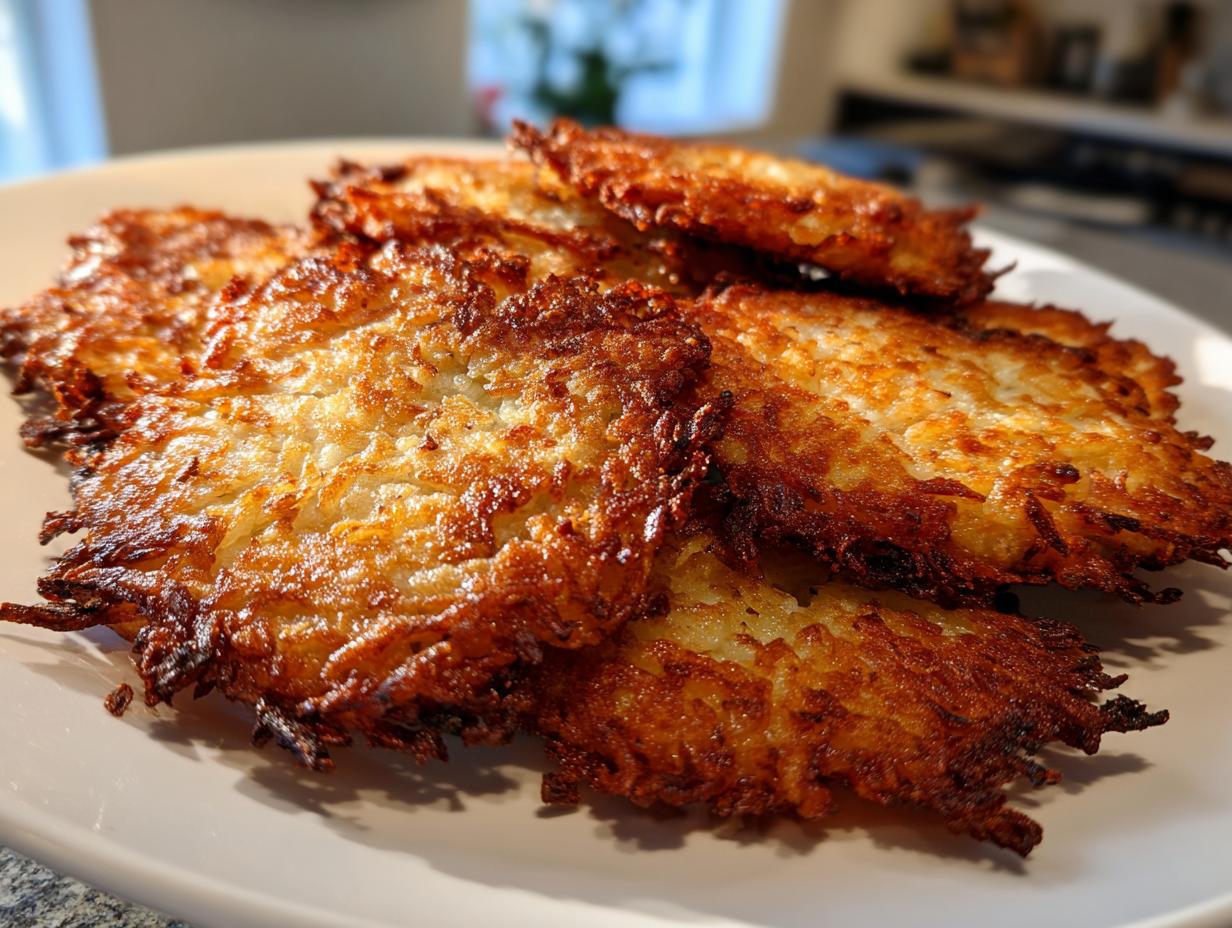
Oh my goodness, there is nothing, absolutely nothing, like the sound of **Potato latkes** sizzling away in hot oil! That popping sound promises something golden and wonderful is coming. I remember standing so close to my grandmother’s stove during the holidays, just watching the bubbles—it was pure magic. If you’ve ever had a latke crumble apart the second it hits the plate, I promise you, this recipe won’t do that. We’ve worked out all the kinks so you get that perfect crunch on the outside and a tender center that sticks together beautifully. This isn’t just a recipe; it’s the smell of home, tested and perfected right here in my kitchen.
If you want to know more about why I’m so passionate about sharing foolproof recipes, check out my story over at the About Page. Let’s get frying!
- Why You Will Make the Best Potato Latkes Every Time
- Gathering Ingredients for Your Potato Latkes
- Mastering the Technique: How to Make Latkes From Scratch
- Frying Your Crispy Potato Latkes Recipe to Golden Perfection
- Tips for Serving Traditional Hanukkah Potato Latkes
- Storage and Keeping Potato Latkes Warm
- Frequently Asked Questions About Making Potato Latkes
- Estimated Nutrition for Potato Latkes
- Share Your Homemade Potato Latkes
Why You Will Make the Best Potato Latkes Every Time
Forget the sad, soggy fritters you might have tried making before! I promise you, these reasons are why my **Potato latkes** are always the star of the plate—they are completely foolproof, especially if you follow my little secrets.
- Guaranteed Crunch: My testing process focused relentlessly on the texture. You get that deep, golden-brown exterior that shatters perfectly when you bite into it, while staying surprisingly tender inside.
- They Hold Together: No frustrating, oily messes here! These latkes stick together beautifully from the fryer straight to the cooling rack.
- Speedy Prep: While shredding takes a minute, the process itself is fast. We’re talking about delicious, traditional Jewish holiday food ready in under an hour total.
- Simple Ingredients: We rely on pantry staples. No fancy, hard-to-find items needed just to make a great fried potato fritter.
Perfectly Crispy Potato Latkes Recipe Texture
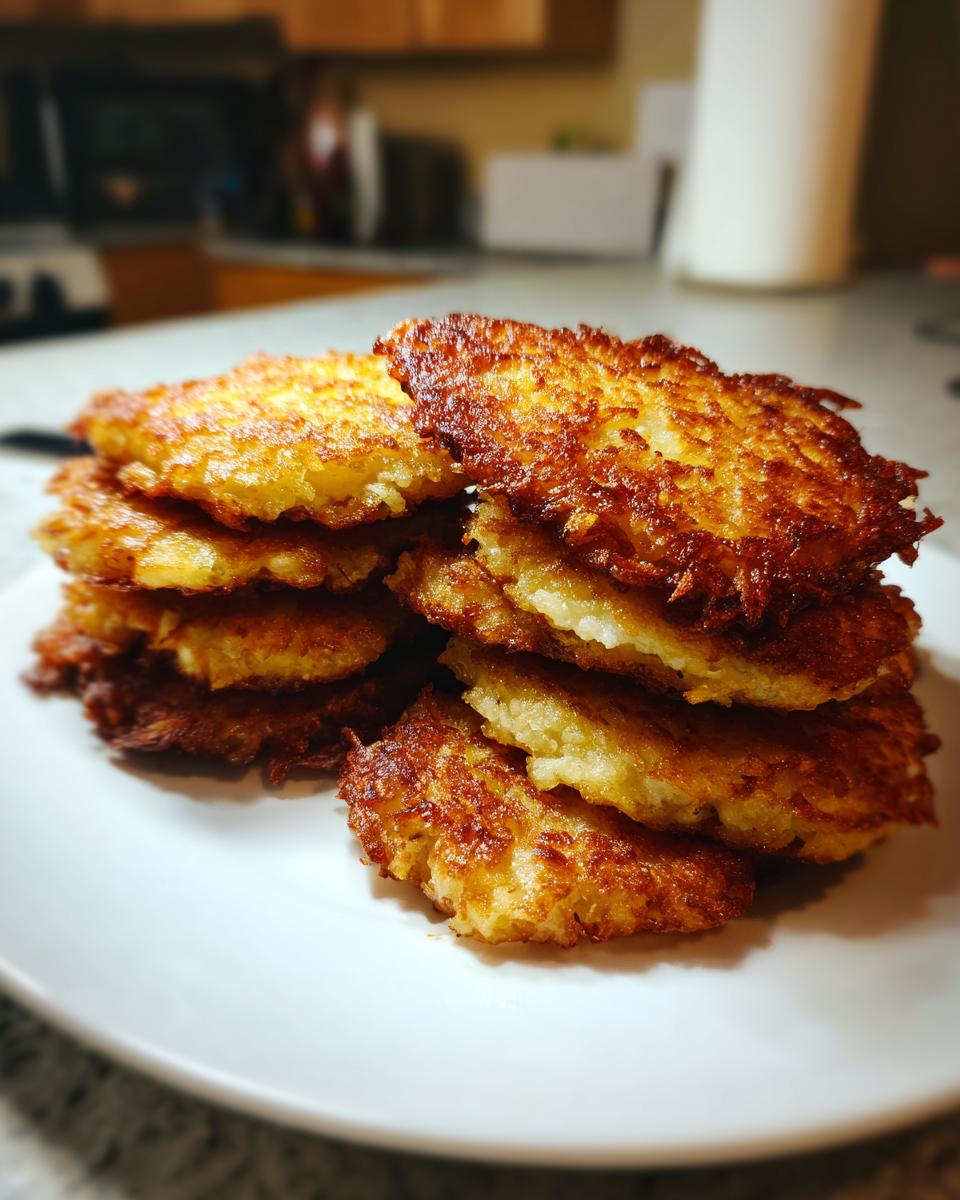
When I talk about texture, I mean it. I want the edges of these bad boys looking lacy and dark golden, almost burnt—that’s the best part! The interior should be soft, like a perfectly cooked hash brown, but definitely not mushy.
The absolute secret, and I cannot stress this enough, is getting rid of every drop of liquid from the spuds. If the potatoes are even a little wet when they hit that hot oil, they steam instead of fry. You need to squeeze them until you think you can’t squeeze anymore, and then squeeze them just one more time! That lack of moisture is what powers the crispness.
Simple Steps for How to Make Latkes From Scratch
I designed this recipe to be totally accessible. I know baking shouldn’t feel intimidating! You don’t need any fancy gadgets or techniques that require a culinary degree. We use a standard box grater—the same one you probably have sitting in your drawer—and simple mixing. That’s the Bliss Batter promise: classics made easy.
We keep the binder light too, just enough egg and flour to hold things gently in place. It’s all about honoring that traditional, homemade feeling and making sure you feel like a baking superstar after just one batch.
Gathering Ingredients for Your Potato Latkes
Okay, time to pull out your shopping list! For truly great homemade latkes, you can’t skimp on the star players. Since these are so simple, the quality of the potatoes really shines through, which is part of our commitment to using good, everyday ingredients here at Bliss Batter.
I’ve listed everything you need below, but let’s quickly talk about the important ones before you head to the pantry.
Ingredients List (Yields About 12 Latkes):
- 3 large Russet potatoes (about 2 lbs), peeled
- 1 medium yellow onion, peeled
- 2 large eggs, lightly beaten
- 1/4 cup all-purpose flour or matzo meal
- 1 teaspoon salt
- 1/4 teaspoon black pepper
- Vegetable oil or canola oil, for frying (You’ll need about 1 inch deep)
Potato and Onion Preparation Notes
When it comes to potatoes, you absolutely must use Russets if you can find them! Russets are high in starch, and that starch is our best friend for making sure the mixture binds up nicely after we squeeze out all that water. Regular waxy potatoes just don’t give you the same fluffy interior we are aiming for.
And the onion? Don’t go too crazy here. I specified one medium yellow onion because we need flavor—that little savory bite that makes latkes so addictive—but too much onion will actually release too much moisture and make your pancakes weep oil instead of crisp up. We want just enough onion to enhance the potato flavor, not overpower it.
Binding Agents for Stable Potato Latkes
We keep the binders light, but they are crucial for structure. The two eggs act like little glue sticks holding everything together once it hits the high heat.
For the flour, I give you an option. Most of the time, I just grab my all-purpose flour—it works perfectly fine for structure—but if you are celebrating Hanukkah or making this for a traditional meal, you absolutely should use matzo meal. It’s a wonderful, classic choice for these Jewish holiday food favorites, and it adds just a tiny bit of nutty texture to the crust, too!
Mastering the Technique: How to Make Latkes From Scratch
This is where the magic really happens, folks, and skipping the details here means you end up with sad, soggy fritters instead of the crispy potato latkes we dreamed about! Getting the texture right when learning how to make latkes from scratch is all about managing moisture. Trust me, I learned this the hard way when I first tried rushing this part years ago. We want the potatoes to fry, not steam gently, if you catch my drift!
Once you have your freshly grated potato and onion mixture, you are going straight into the squeezing phase. This step is literally the difference between success and failure, so don’t rush it!
The Essential Step: Removing Moisture from Potato Latkes
Grab yourself a clean kitchen towel—it needs to be sturdy, or use a few layers of cheesecloth if you have it. Pile all that grated spud mixture right into the center.
Now, wrap it up tight and wring it out over the sink like you’re squeezing the last drop of water out of a sponge. You’d be shocked by how much liquid potato holds! Keep squeezing until you feel resistance and almost nothing else is coming out. Seriously, wring it until your arms ache a little. That thick, dry pile left in the towel is what makes the difference between a crunchy masterpiece and a greasy pancake. This attention to detail is what makes my recipe so reliable.

Mixing and Combining the Potato Latkes Batter
Once your potato fluff is dry, dump it into a bowl. Now, add your eggs and your flour or matzo meal. Here’s the rule: only stir these ingredients together until they are just barely combined. I mean it—a quick fold, maybe five or six turns with your spoon, and stop!
If you mix too much, the starch in the potatoes starts activating and clinging together, which sounds helpful, but it actually releases more water back into the mix as it heats up. We want that light coating of egg holding the shreds together, not a heavy, gluey batter. Keep your mixing light; you can even leave a little bit of flour streak visible!
After mixing, I recommend heading straight to the stove. If the mixture sits around, those thirsty potatoes will start weeping moisture again, and we just cleaned them out! If you need ideas for speedy sides while you’re cooking, check out some of my thoughts on easy weeknight dinners.
Frying Your Crispy Potato Latkes Recipe to Golden Perfection
Alright, we have our perfectly ready, dry potato mixture. Now comes what I call the fun part—the frying! This is where your patience pays off, and you transform grated potato into spectacular, crispy potato fritters. Remember, we are aiming for that deep, satisfying color.
First, you need the right environment. Use a large, heavy-bottomed skillet. Don’t try to make these in a thin pan, or the heat won’t stay even, and you’ll end up with unevenly cooked spots.
Pour in your vegetable or canola oil until you have a good layer—about an inch deep. We need enough room for the latkes to essentially float and cook evenly on both sides simultaneously. Get that oil hot! You are looking for 350°F (175°C). If you don’t have a thermometer, drop a tiny shred of potato in; if it bubbles immediately and vigorously, you are ready. If it just sort of sits there, wait longer!
Now, take heaping tablespoons of your mixture and carefully drop them into that hot fat. I always use the back of my spoon to gently flatten them a bit right after they hit the oil. Don’t crowd the pan! I know it’s tempting to try and fit them all in there, but if you stack them up, the temperature of the oil drops instantly, and they will soak up oil instead of frying up crisp.
Achieving Uniform Browning on Fried Potato Fritters
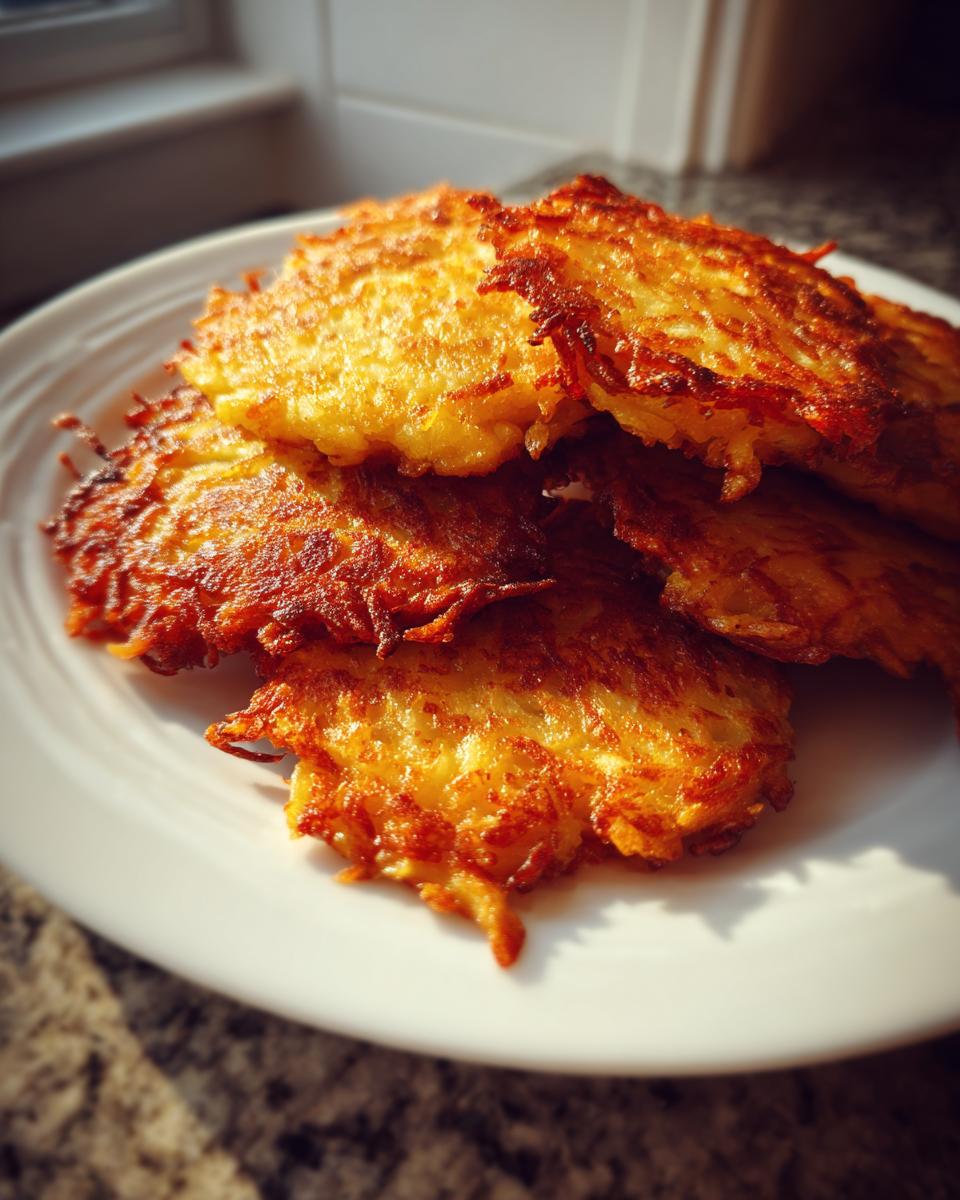
Frying time is usually about 4 to 6 minutes per side. It feels like forever when you’re waiting, but resist the urge to flip them too early! If you try to turn them and they stick or start tearing, they aren’t ready. Let that crust set up completely; that’s what gives us that fantastic crunch we’re looking for.
The heat is tricky—you might need to turn the burner down slightly after the first batch goes in, especially if your oil starts smoking or browning them too fast. I’m constantly juggling that heat knob to keep the oil happy around that 350°F mark. If the oil gets too cool, the latkes will get greasy, guaranteed. If it’s too hot, they’ll burn outside before the center cooks through.
When they look deeply golden brown on the first side, carefully flip them over and let the second side go for another 4 to 6 minutes. If you are looking for other fantastic fried ideas while you’re waiting, you have to check out my recipe for crispy fried pickles—it uses the same principle for achieving that perfect crust!
Once they are gloriously brown on both sides, lift them out gently and place them directly onto a wire rack that you’ve set over a baking sheet or some paper towels to drain. That rack is important so the bottoms don’t sit in steam and get soggy!
Tips for Serving Traditional Hanukkah Potato Latkes
Now that you have these gorgeous, crispy-on-the-outside, tender-on-the-inside treasures, the second most important part is serving them! For me, serving latkes is all about honoring the tradition, but I also love giving people options because everyone has a preference, right? This is where those warm, comforting feelings really come to life around the table.
We aim for simplicity and contrast here. The rich, fried flavor of the potato latkes begs for something cool and slightly acidic to cut through it. This is classic comfort food through and through!
Recommended Toppings for Classic Potato Latkes
You simply cannot serve potato latkes without the classics. I always have two bowls sitting right on the table:
- Sour Cream: I like the full-fat kind—that slight tang and creamy cool texture against the hot, salty latke? Perfection. Don’t skimp here!
- Applesauce: This is non-negotiable for me, especially when we are talking about Jewish holiday food. The sweetness of the apple is such a wonderful pairing with the savory potato.
Now, although Grandma always stuck to those two, I sometimes like to jazz things up just a little for fun. My modern little twist is adding a dollop of homemade apple butter to half the batch. If you want to make a richer, spiced topping than standard applesauce, you should totally try my slow cooker apple butter recipe—it melts beautifully on top of a hot latke. That subtle spice just takes it over the top!
Whatever toppings you choose, just make sure you serve them hot, right out of the oil if possible. Nothing beats that immediate, fresh crunch!
Storage and Keeping Potato Latkes Warm
One of the biggest challenges when making a big batch of these beauties is keeping them perfectly crisp while you finish frying the rest, or saving some for lunch the next day! If you’re hosting a crowd, you don’t want your first batch getting cold and limp while you’re still working over a hot stove. Because we tested this recipe so thoroughly, I have really simple methods to manage heat and storage that keep your latkes tasting fantastic.
If you’re trying to keep things running smoothly and maintain that high standard of crispiness we worked so hard for, these tips are your best friends. I hate serving a subpar latke, and you will too!
Reheating Crispy Latkes
If you have leftovers—which is rare in my house, I have to admit!—you absolutely cannot reheat these in the microwave. That steam is the enemy of every crispy fried food, and it will turn your perfect latke into a soggy sponge in about thirty seconds. Forget that route entirely!
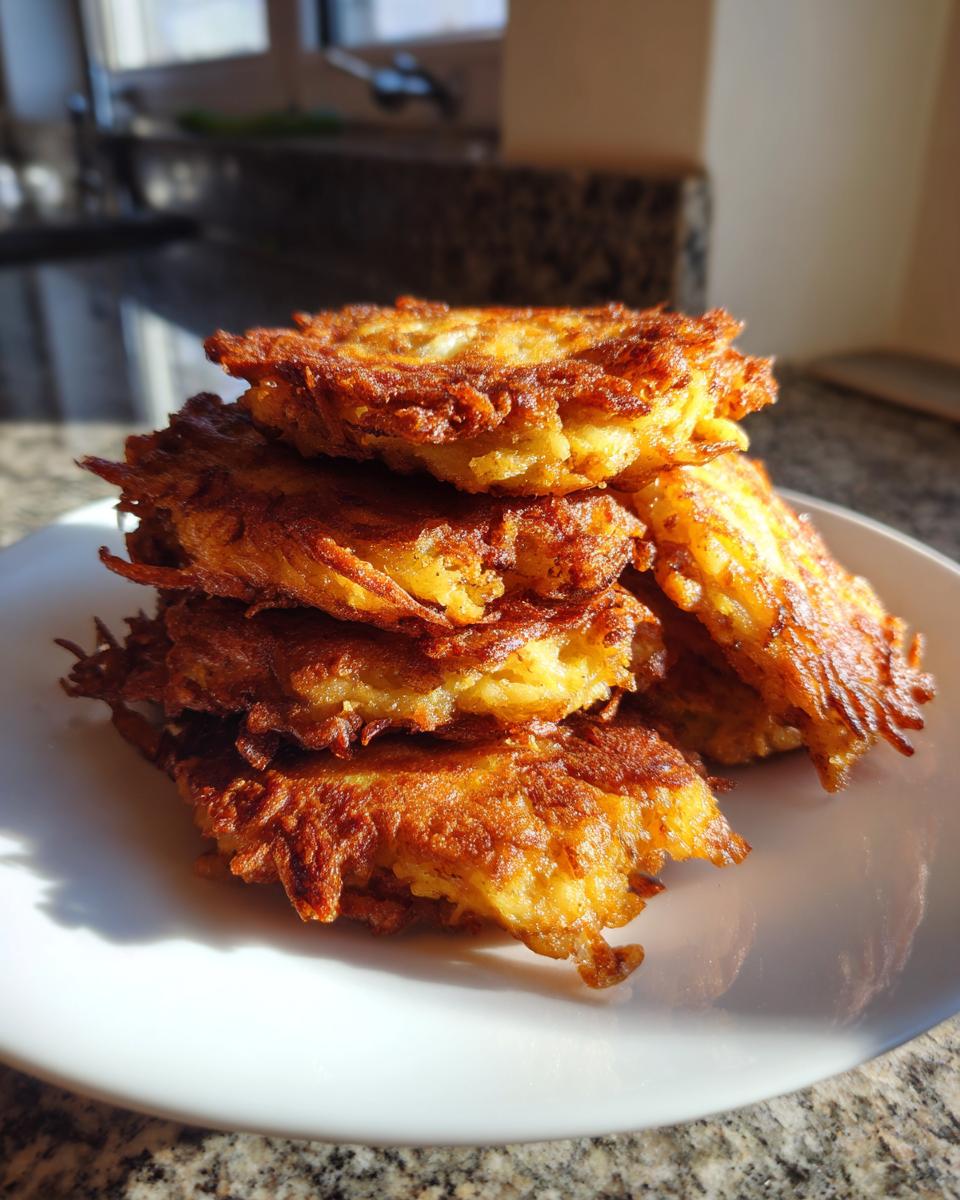
The best way to bring back that fresh-fried crust is using a low oven. Pop your finished latkes onto a wire rack set over a rimmed baking sheet. I mean it, use the rack! Don’t stack them directly on top of each other or put them on paper towels, as that traps moisture underneath.
Set your oven to just 200°F (or even 180°F). Let them warm through for about 10 to 15 minutes. This low, dry heat warms up the potato inside and totally re-crisps the exterior without cooking them any further. They come out tasting almost as good as they did straight out of the oil!
If you’re making them ahead of time for a party, you can actually assemble the raw grated potato mixture, cover it tightly, and keep it in the fridge for up to 24 hours. But promise me you’ll squeeze it out *extra* dry right before frying, because resting lets the potatoes draw out more water. If you are interested in simplifying your whole week’s cooking, you might want to check out research on keto meal plan delivery, but for these latkes, fresh is always best!
Frequently Asked Questions About Making Potato Latkes
I know that even with the clearest instructions, sometimes a little question pops up while you’re trying something new! That’s totally fine. These are the questions I get asked most often when people try my Potato latkes recipe for the first time. Don’t worry if something feels tricky—we can fix it!
Can I bake potato latkes instead of frying?
Yes, you absolutely *can* bake them, and some people prefer that route for convenience or cutting back on oil. But I have to be honest with you: they won’t be the same! Baking them is more like making a potato crisp or a baked fritter. You get a nice, lightly browned potato item, but you completely miss out on that signature deep golden color and the intensely crispy, lacy edges that only hot oil can give you. If you bake them, make sure to flip them halfway through and use a wire rack on your sheet pan to let some air circulate underneath, okay?
What is the best oil temperature for frying latkes?
This is so important for achieving that perfect texture we talked about! You really want the oil right at 350°F (175°C). If you are frying and the temperature dips much below that, the potato shreds start soaking up all that hot oil instead of frying instantly, which leads to heavy, greasy fried potato fritters.
If your oil is too cold, they’ll be floppy. If your oil is too hot—say, 400°F—the outside will burn dark brown way before the starchy potato center has a chance to cook through, leaving you with a filling that tastes a little raw. Keep that temperature steady, and you’ll be golden!
What happens if my potato latkes fall apart?
Oh, that’s the worst feeling! When a latke falls apart in the fryer, it’s almost always for one of two reasons, both related to that squeezing step we talked about. First, if you didn’t squeeze hard enough, the excess water caused the potato shreds to slip and slide instead of sticking together when they cooked.
Second, you might not have enough binder. If you used flour or matzo meal, check that you added the full measure! The egg and the flour are the only things really acting as glue here. If you see a little bit of loose shreds floating around in your oil, gently try nudging them back toward the main pancake with your spoon, but if it truly crumbles, it’s probably best to let it fry, scoop it out, and add a tiny pinch more flour to the rest of your raw batter before dropping the next batch in. I even share a tip for keeping things organized over on my post about using rustic loaf recipes if you ever need a baking break!
Estimated Nutrition for Potato Latkes
I always try to be transparent about what’s going into our treats here at Bliss Batter, and that includes the nutrition facts! Remember, because these are fried potato fritters made in a home kitchen, these values are just estimates based on the ingredients I listed. They will change slightly depending on exactly what type and brand of oil you use and how much topping you add!
This breakdown is based on one serving, which is 1 latke, assuming the recipe makes about 12 servings:
- Serving Size: 1 latke
- Calories: 120
- Fat: 7g (Saturated Fat: 1.5g)
- Carbohydrates: 13g (Fiber: 1g, Sugar: 0.5g)
- Protein: 3g
- Sodium: 150mg
- Cholesterol: 40mg
We keep the sugar really low here because we aren’t sweetening the batter itself—that’s what the applesauce is for later, you sweet treat!
Share Your Homemade Potato Latkes
There is truly nothing that makes me happier than knowing someone made one of my recipes and brought a little bit of homemade joy into their home. I hope these crispy potato latkes made your kitchen smell amazing and brought smiles to everyone’s faces!
Now that you’ve conquered how to make latkes from scratch, I really want to see your beautiful, golden-brown creations! Did you go traditional with sour cream, or did you try a fun new topping? Did they stay perfectly crunchy?
Please tell me how it went! You can leave a star rating right below this section—it really helps other bakers feel confident trying this recipe next time. If you snapped a photo, please tag me on social media or send it my way through my contact form. I absolutely love seeing your successes!
Happy baking and frying, and thank you for trusting Bliss Batter with your kitchen! Until the next batch!
PrintCrispy Potato Latkes Recipe

Make perfect, golden-brown potato latkes that are crunchy outside and tender inside. This recipe uses simple steps to ensure your fried potato pancakes hold together well.
- Prep Time: 20 min
- Cook Time: 20 min
- Total Time: 40 min
- Yield: About 12 latkes 1x
- Category: Side Dish
- Method: Frying
- Cuisine: Jewish/American
- Diet: Vegetarian
Ingredients
- 3 large Russet potatoes (about 2 lbs), peeled
- 1 medium yellow onion, peeled
- 2 large eggs, lightly beaten
- 1/4 cup all-purpose flour or matzo meal
- 1 teaspoon salt
- 1/4 teaspoon black pepper
- Vegetable oil or canola oil, for frying
Instructions
- Grate the potatoes and onion using the large holes of a box grater or a food processor attachment.
- Place the grated potato and onion mixture into a clean kitchen towel or several layers of cheesecloth. Wrap tightly and squeeze out as much liquid as possible. This step is key for crispy latkes.
- Transfer the dried potato and onion mixture to a medium bowl.
- Add the beaten eggs, flour (or matzo meal), salt, and pepper to the bowl. Mix gently until just combined. Do not overmix.
- Pour about 1 inch of oil into a large, heavy-bottomed skillet and heat over medium-high heat until the oil reaches 350°F (175°C).
- Carefully drop heaping tablespoons of the potato mixture into the hot oil, flattening them slightly with the back of the spoon to form pancakes. Work in batches to avoid crowding the pan.
- Fry for 4 to 6 minutes per side, until deep golden brown and crisp. Adjust the heat as needed to keep the oil temperature consistent.
- Remove the latkes from the oil and place them on a wire rack set over a baking sheet or on a plate lined with paper towels to drain excess oil.
- Serve immediately with your preferred toppings.
Notes
- For the best texture, squeeze the grated potatoes very dry. Excess moisture prevents crispness.
- If you are preparing these for a large group, keep finished latkes warm in a single layer on a baking sheet in a 200°F oven while you fry the remaining batches.
- If you are interested in structured eating plans, consider looking into keto meal plan delivery options for other meals.
Nutrition
- Serving Size: 1 latke
- Calories: 120
- Sugar: 0.5
- Sodium: 150
- Fat: 7
- Saturated Fat: 1.5
- Unsaturated Fat: 5.5
- Trans Fat: 0
- Carbohydrates: 13
- Fiber: 1
- Protein: 3
- Cholesterol: 40